Chesters Roman Fort

Before embarking on the rest of my Hadrian’s Wall trek, I decided, along with my walking friend Heather, to visit Chesters Roman Fort. Located in the village of Chollerford in Northumberland, it was known to the Romans as Cilurnum and has been called the best-preserved Roman cavalry fort in Britain.
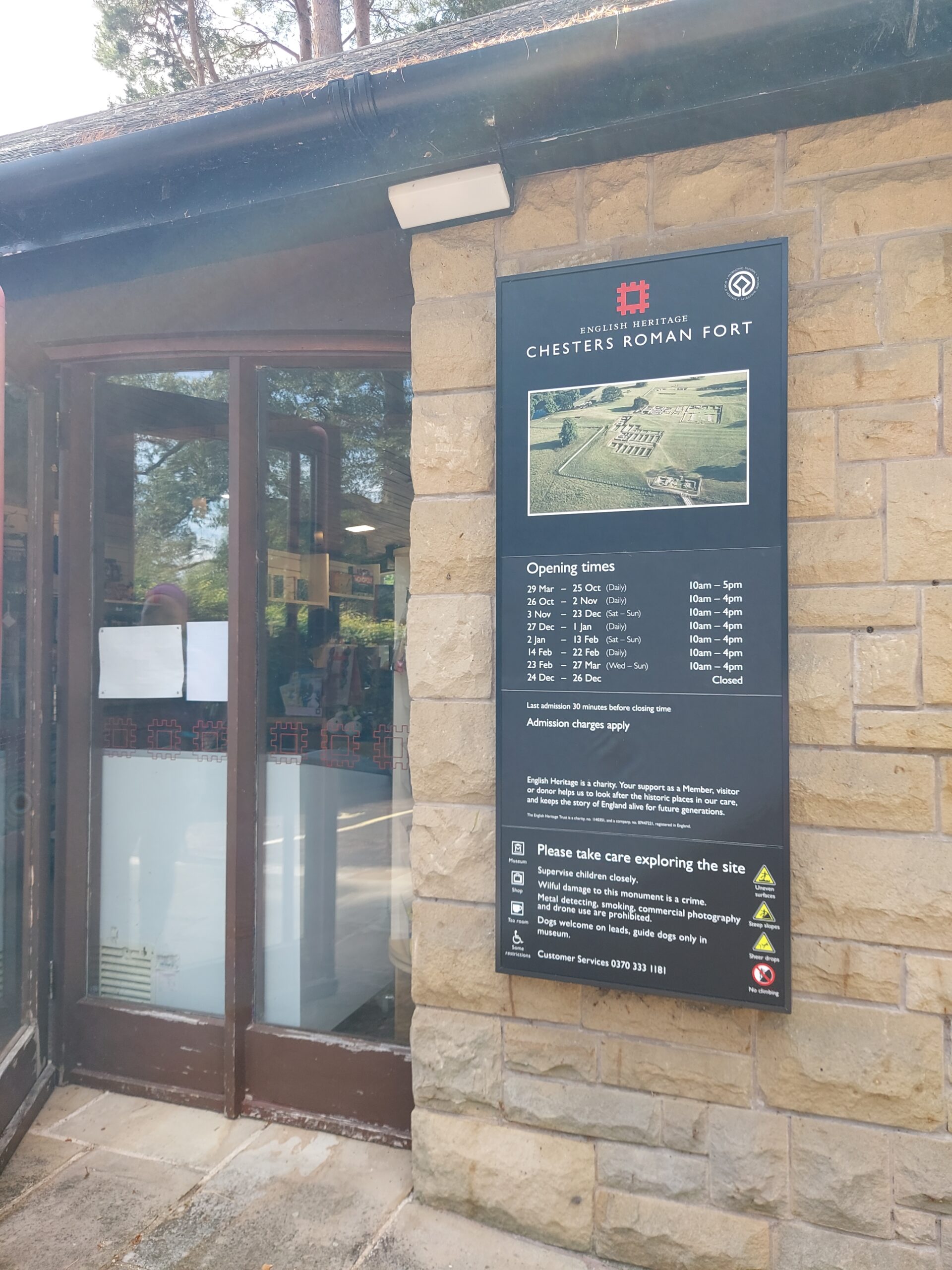
Entrance to Chesters Roman Fort

Cilurnum was built in CE 124 on the banks of the North Tyne. It was home to around 500 cavalry troops for almost three centuries. The fort was originally uncovered by John Clayton, a Victorian antiquarian.
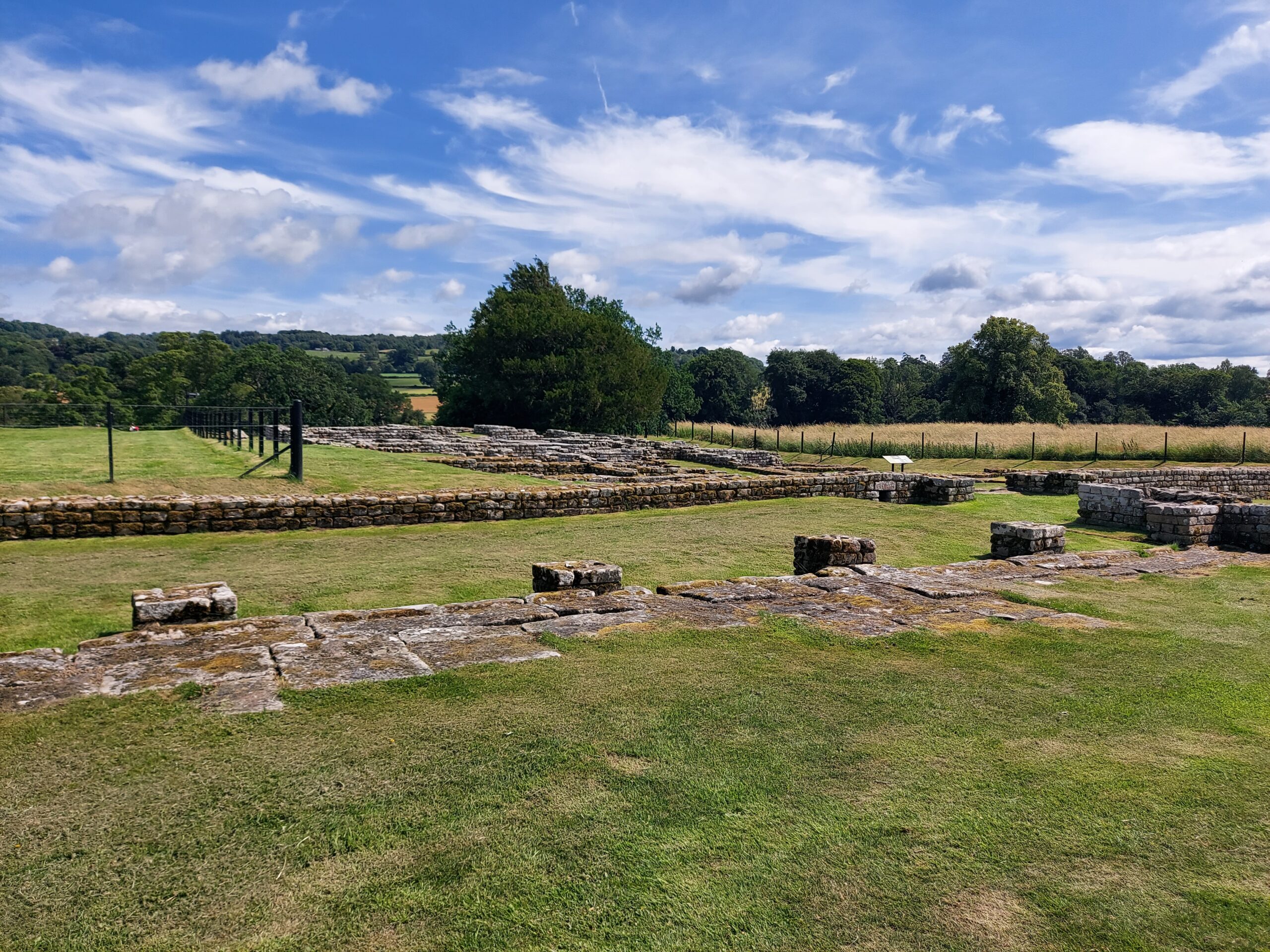
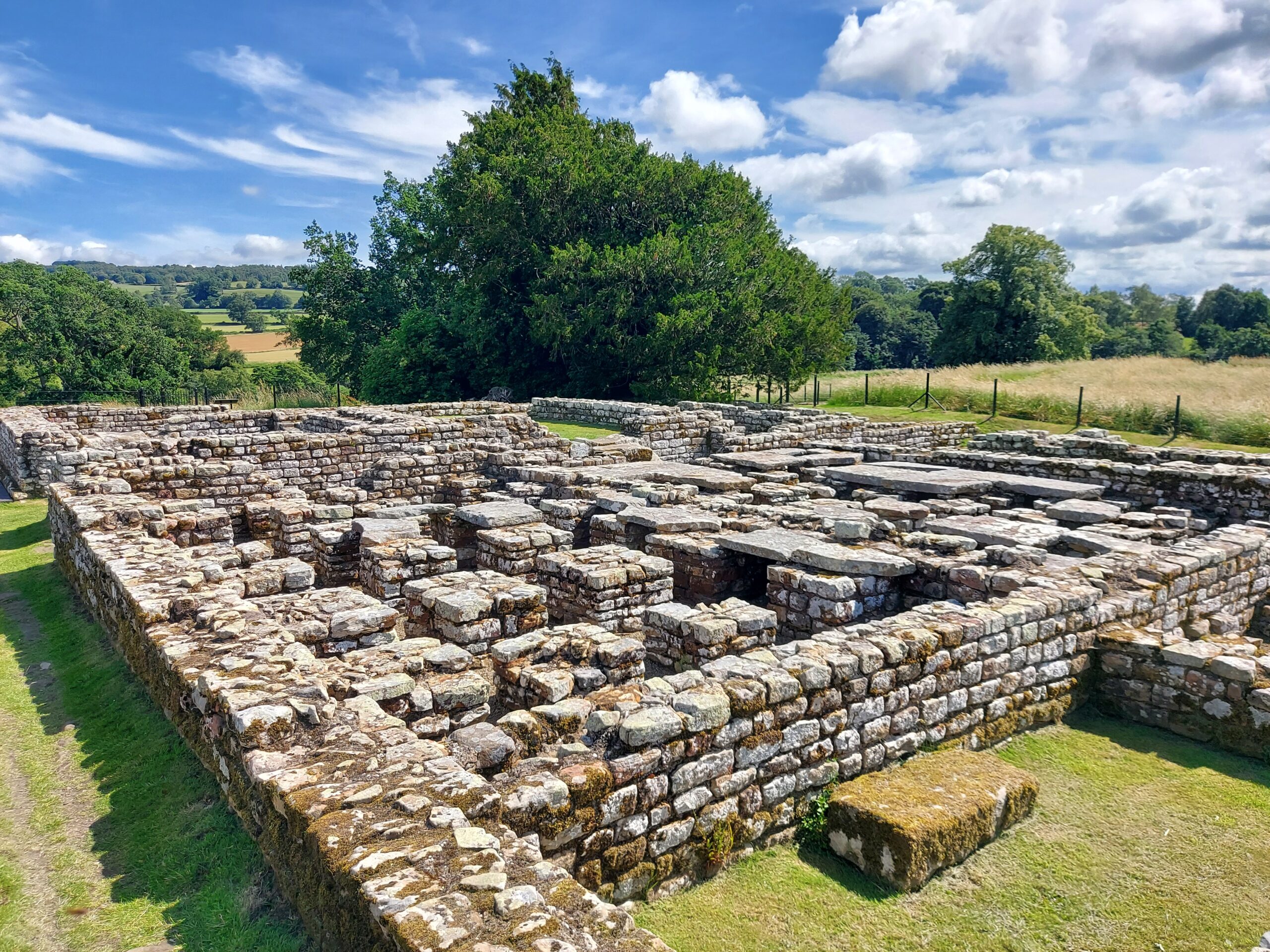
The fort

The fort

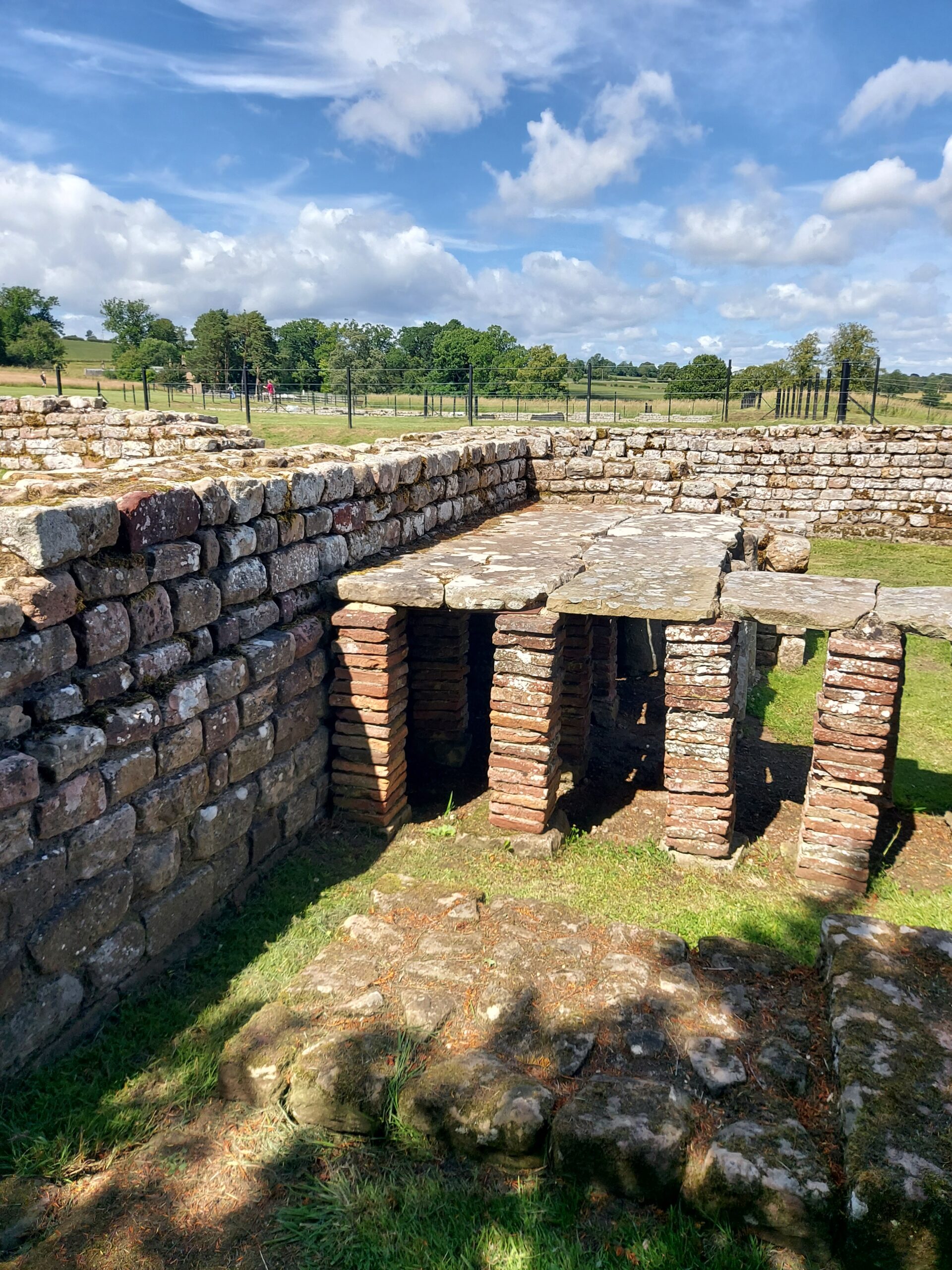
On arriving at Chesters, we first joined a tour of the site. Our guide was really interesting and informative and showed us the principal gates, the headquarters building, the stables and even the external bathhouse, which was particularly impressive.
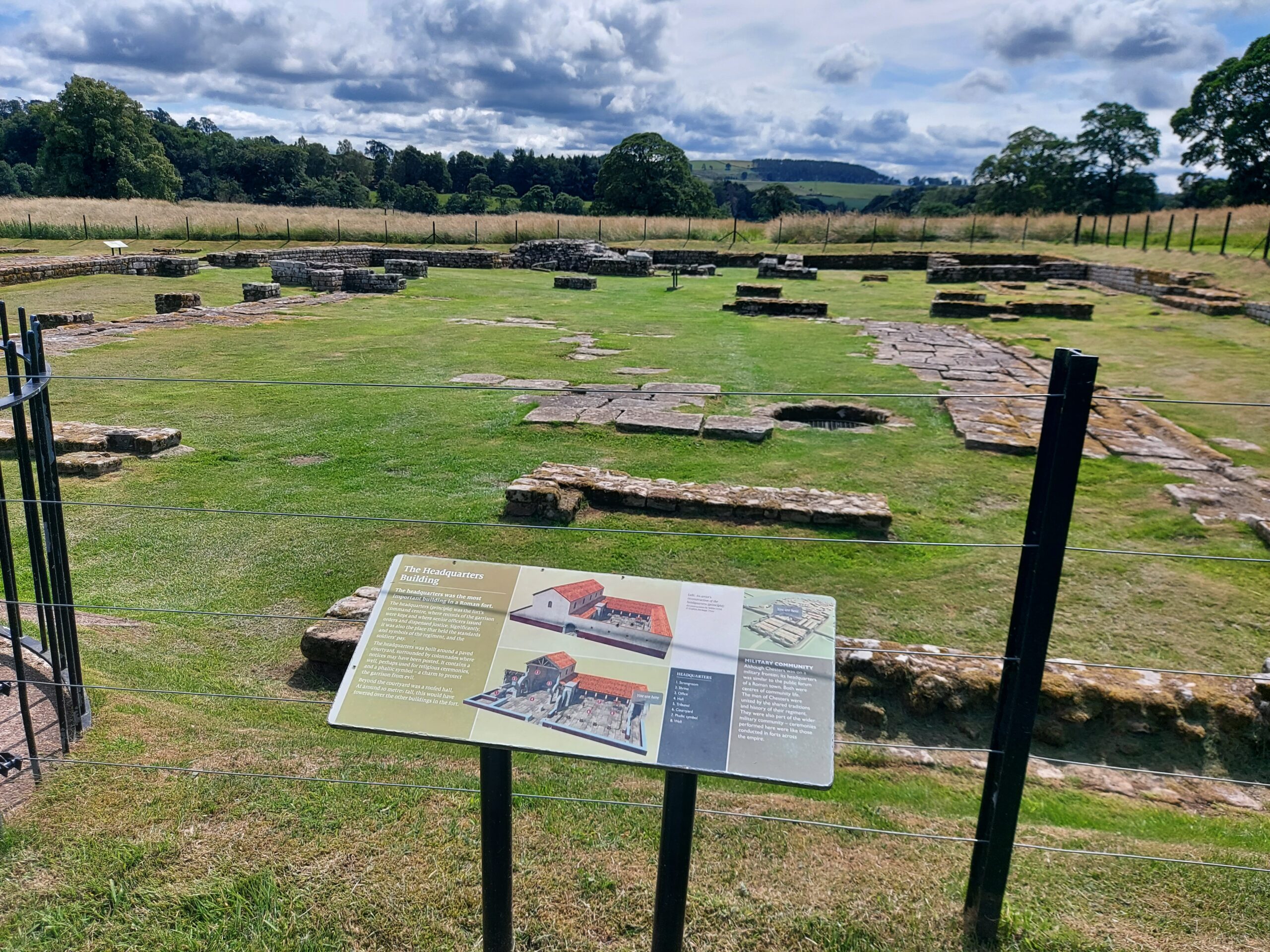
Headquarters Building

Bathhouse

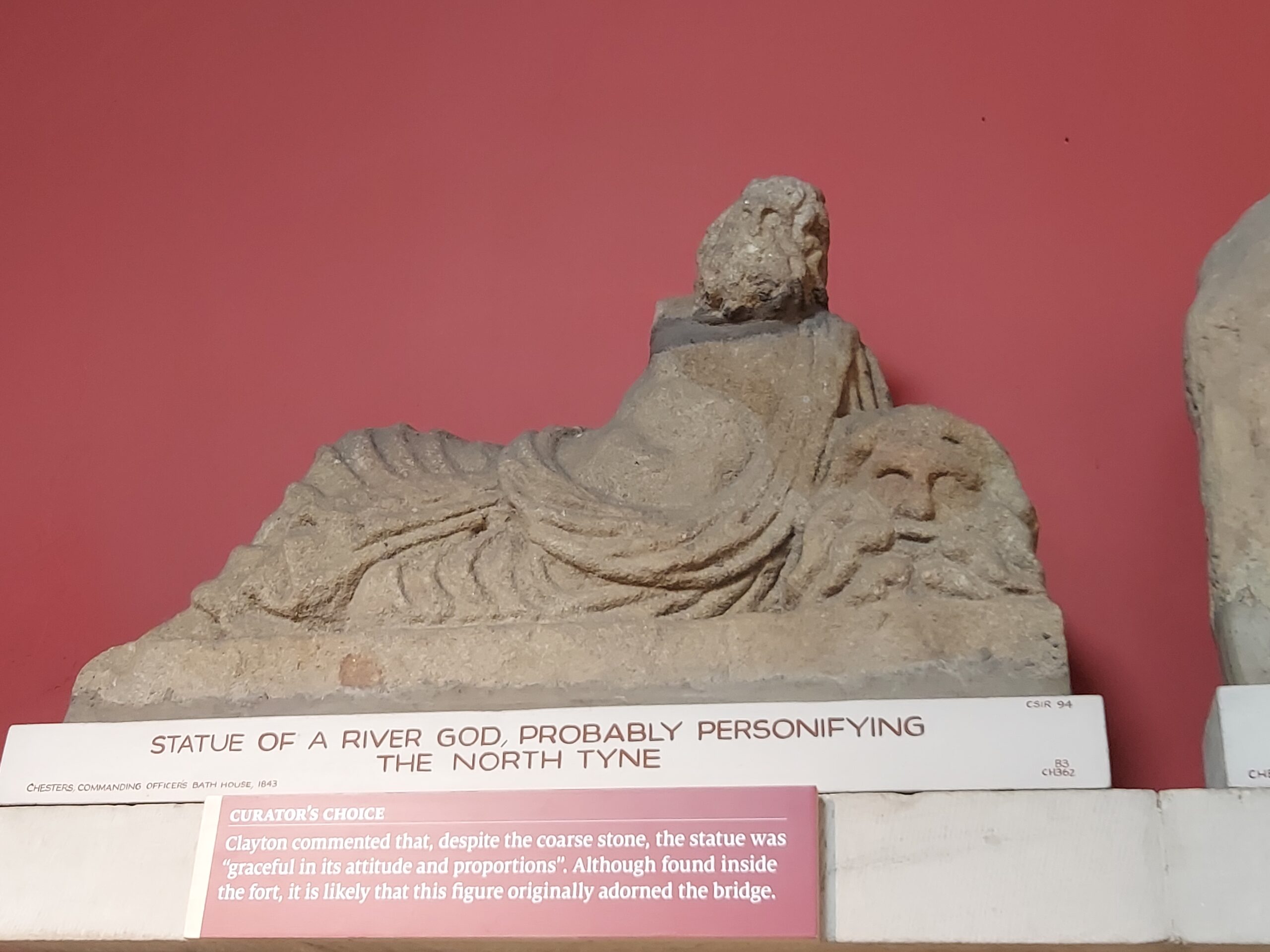
We then visited the Clayton Museum, home to several Roman artefacts from the area and nearby, including Coventina’s Well.
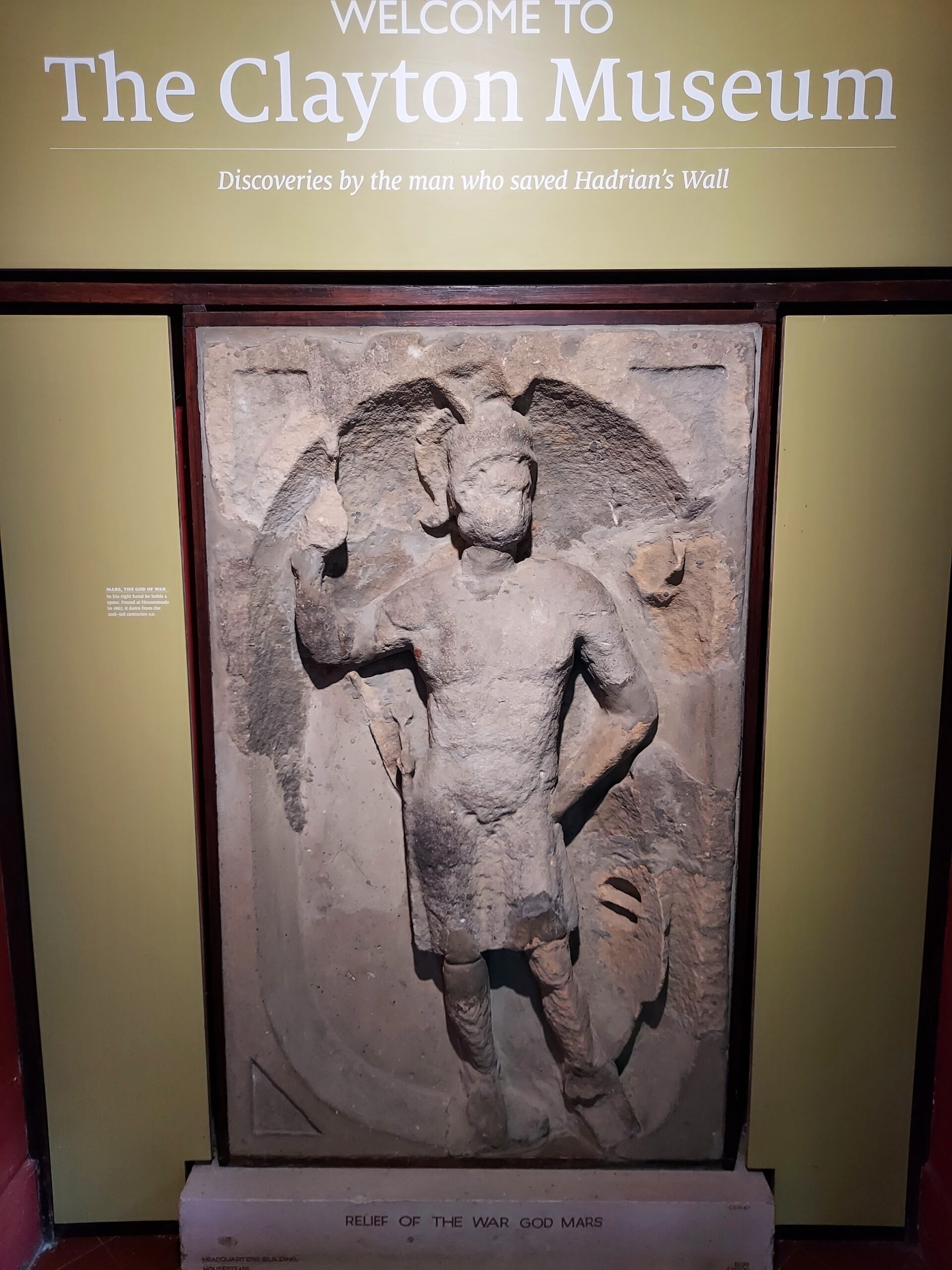
Clayton Museum entrance

Statue of a river god, possibly representing the North Tyne

We got our passports stamped before heading back to the Hadrian’s Wall path. Our visit was great fun and really helped put the Wall into context, imagining the Roman soldiers who once stayed here and walked the Wall.

FACTS

Address: B6318, Chollerford, Hexham NE46 4EU

Website: english-heritage.org.uk/visit/places/chesters-roman-fort-and-museum-hadrians-wall/

Opening Hours: Daily 10am-5pm

Price: Adult £11.90, child £5.95, concession £11.05
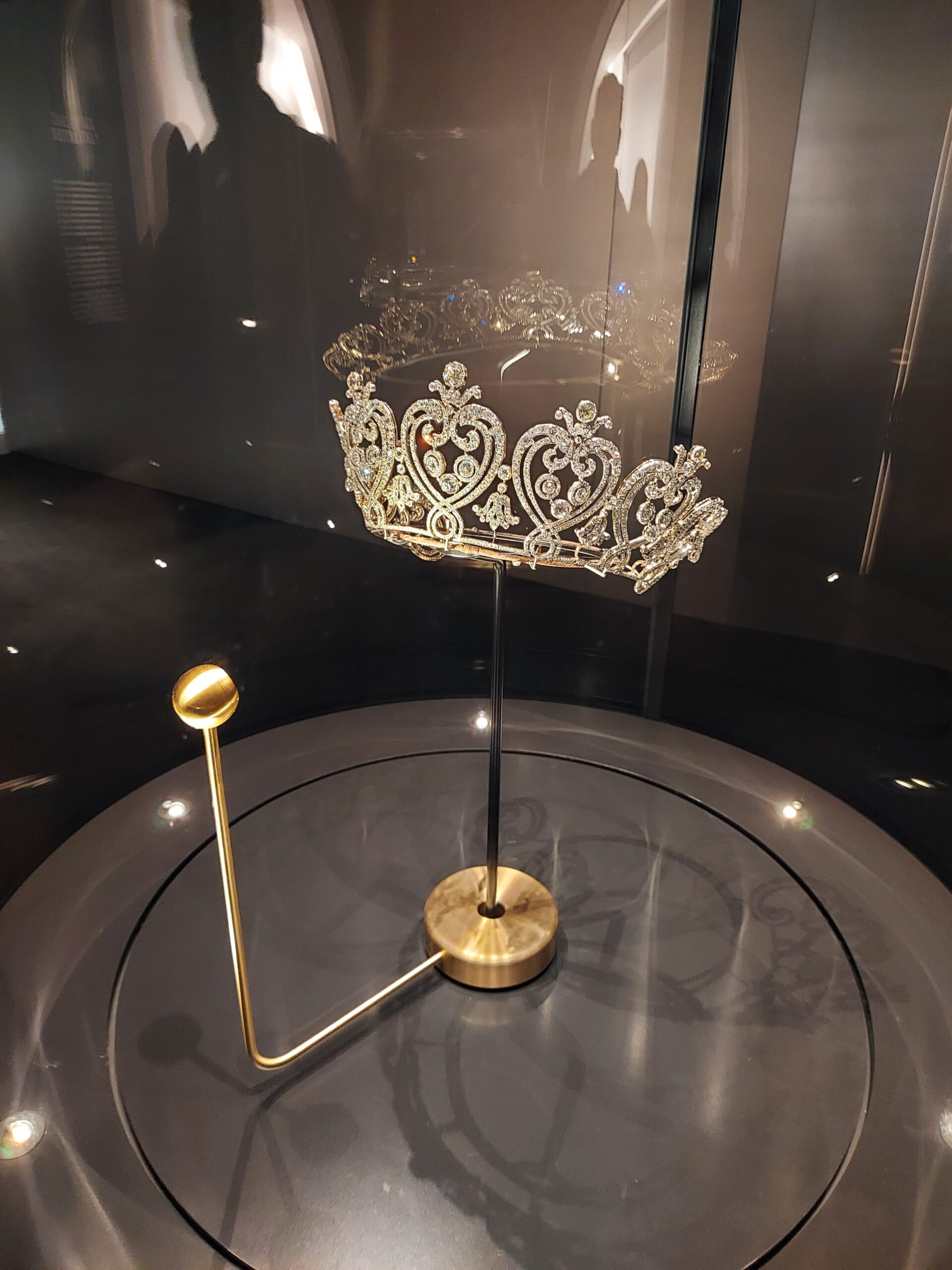
Cartier – V&A

The Manchester tiara, Cartier, 1903

As a fan of jewellery, accessories and other shiny things, I knew I had to visit the Cartier exhibition at the Victoria and Albert Museum. The exhibition features more than 350 objects, including gemstones, watches and clocks, charting the development of Cartier’s art, design and craftsmanship since the beginning of the twentieth century.

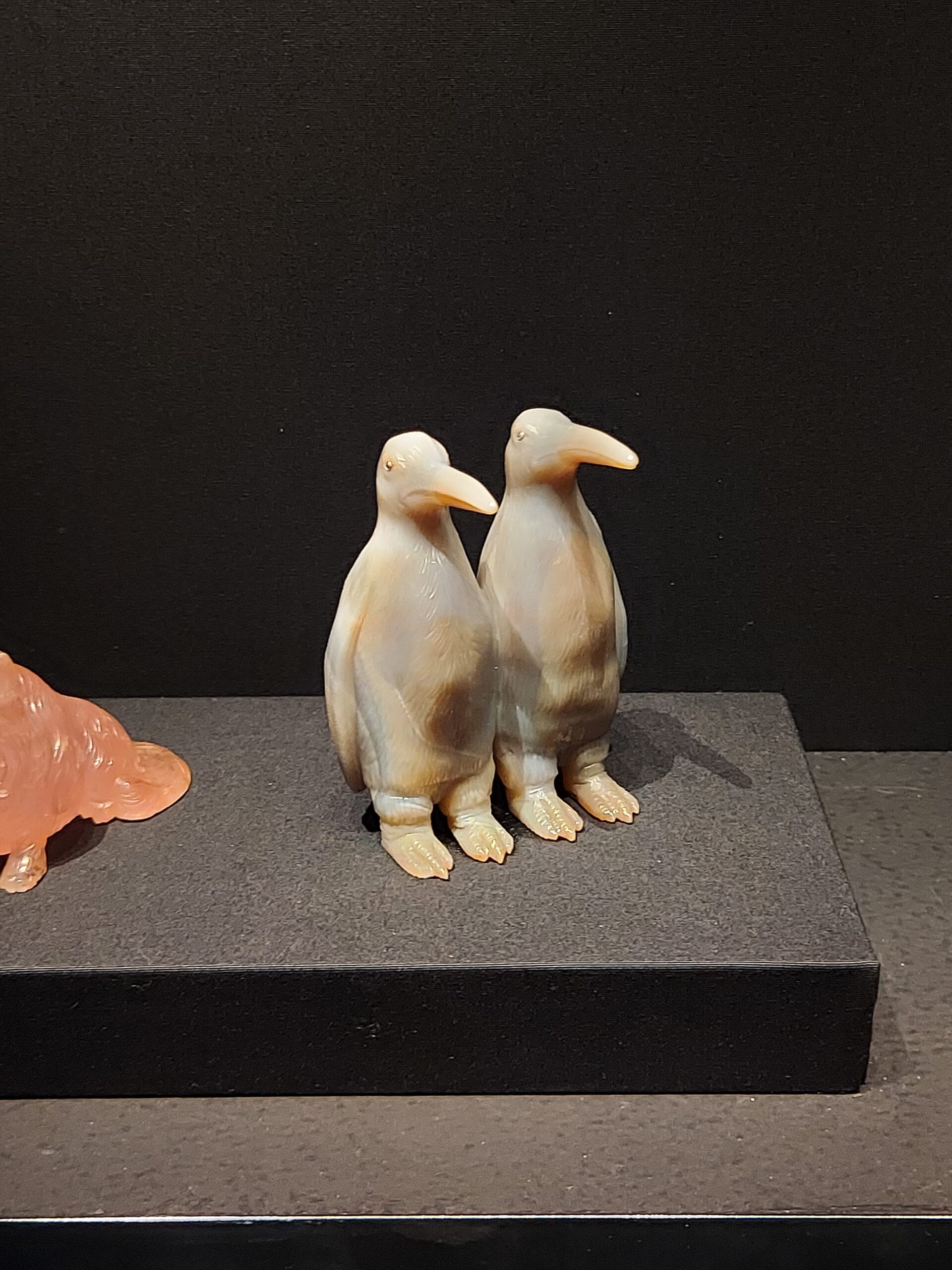
The exhibition begins with the Manchester tiara, dating from 1903 and made on the order of Consuelo, Dowager Duchess of Manchester. The tiara is set with more than 1400 diamonds and features a design of hearts and graduated scrolls. We then see rooms of beautiful jewellery, ornaments and decorations, with sparkle enough to take your breath away. As a penguin lover, I was drawn to the penguin ornament, but many items feature Cartier’s signature panther.

Penguin ornament

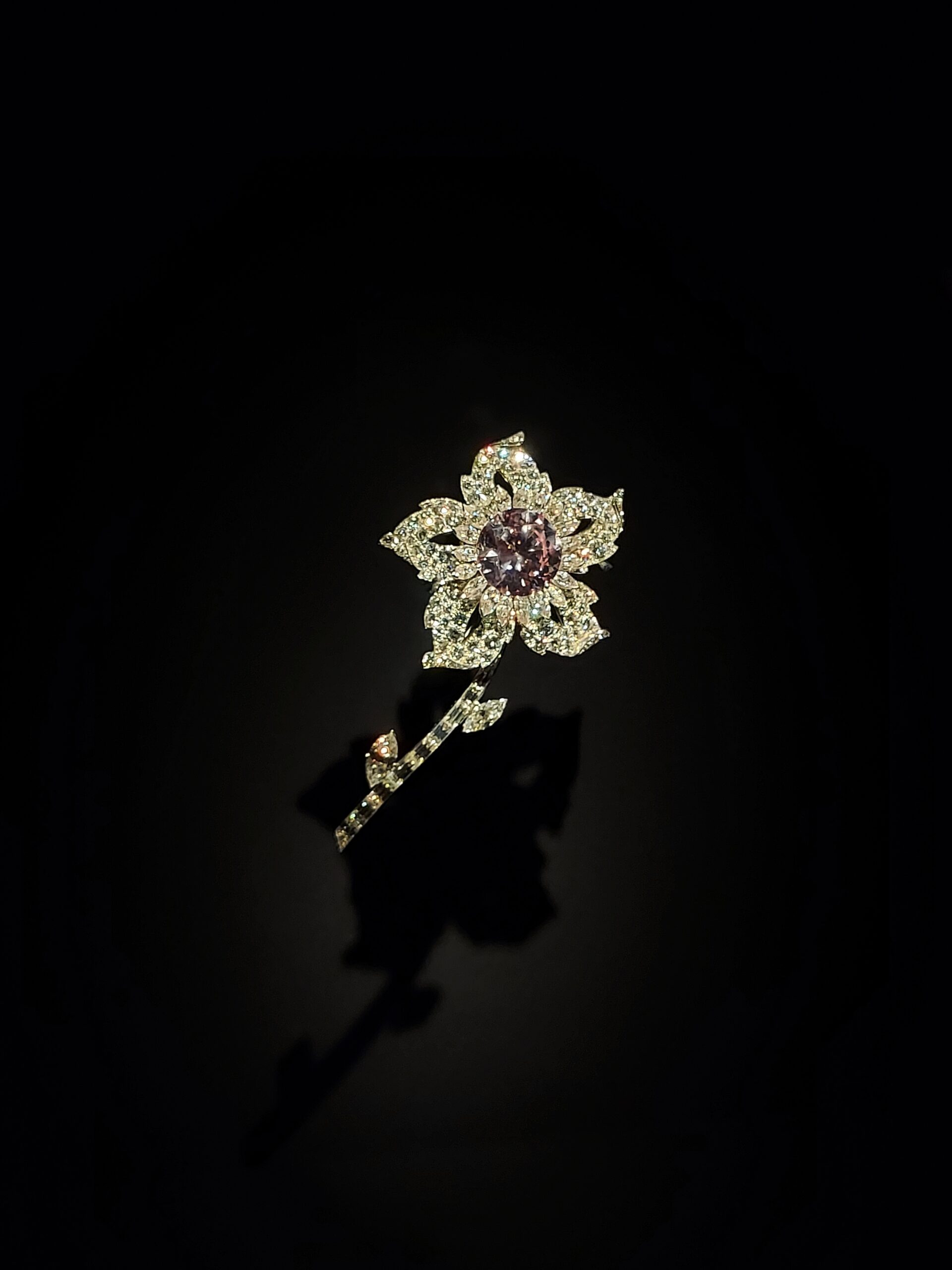
I also enjoyed looking at the novel ‘mystery’ clocks and Dali-inspired watches. However, my favourite item of all was the Williamson Pink Diamond Brooch, frequently worn by Queen Elizabeth II. I actually have an acrylic replica of this brooch – much more affordable than the real thing!

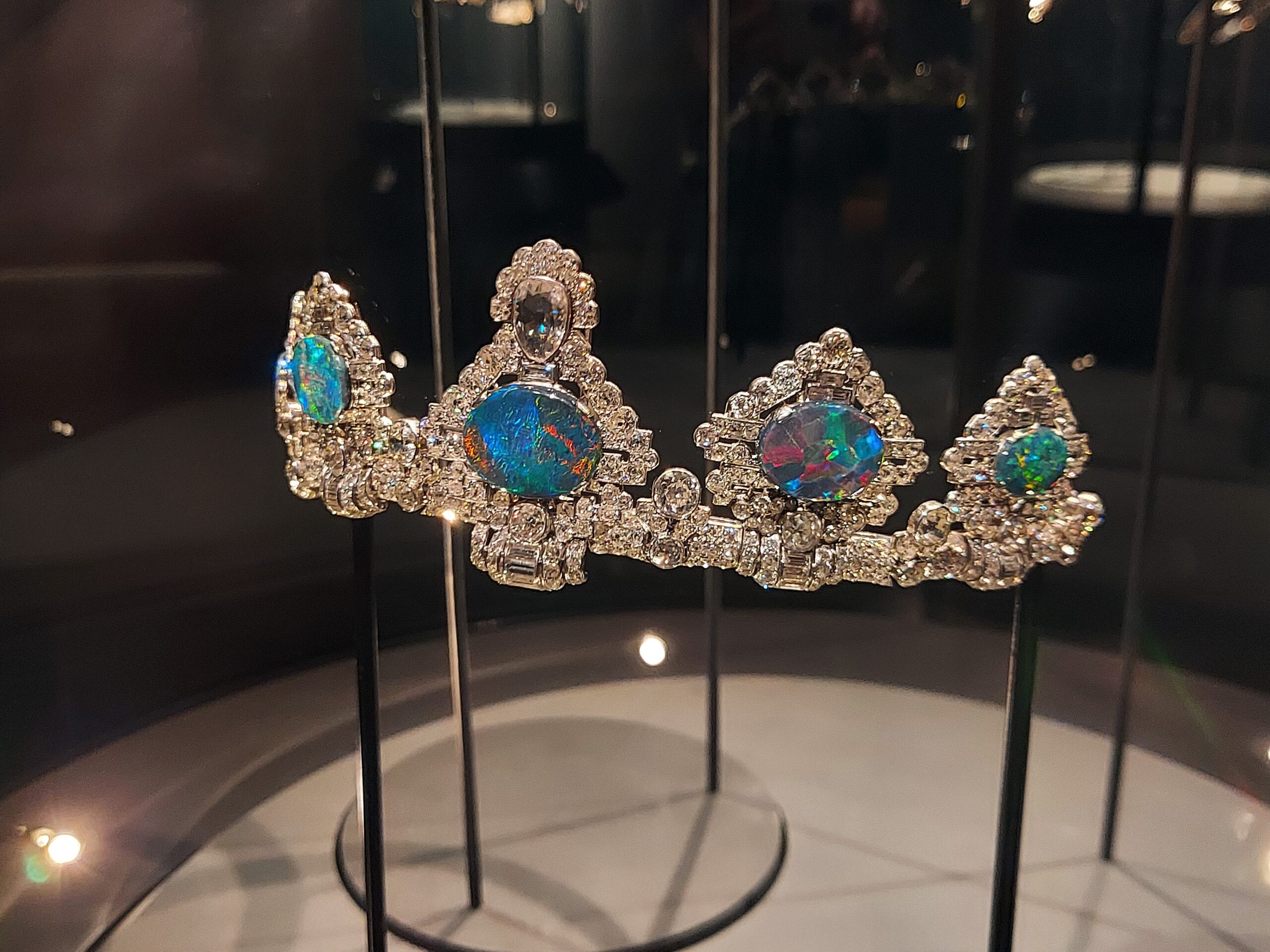
Cartier tiara

I came across another room of tiaras, and spent several minutes choosing my favourite – rather as I used to choose my favourite toys from the Argos catalogue when I was younger. In the end I picked a beautiful diamond and opal affair.

While the exhibition does mention the provenance and history of the items on display, the main focus is on their design and how beautiful they are – which is fine by me. I was overwhelmed by the sparkle and had a lovely time at this exhibition.

Williamson Pink Diamond Brooch

Gunnersbury Park Museum

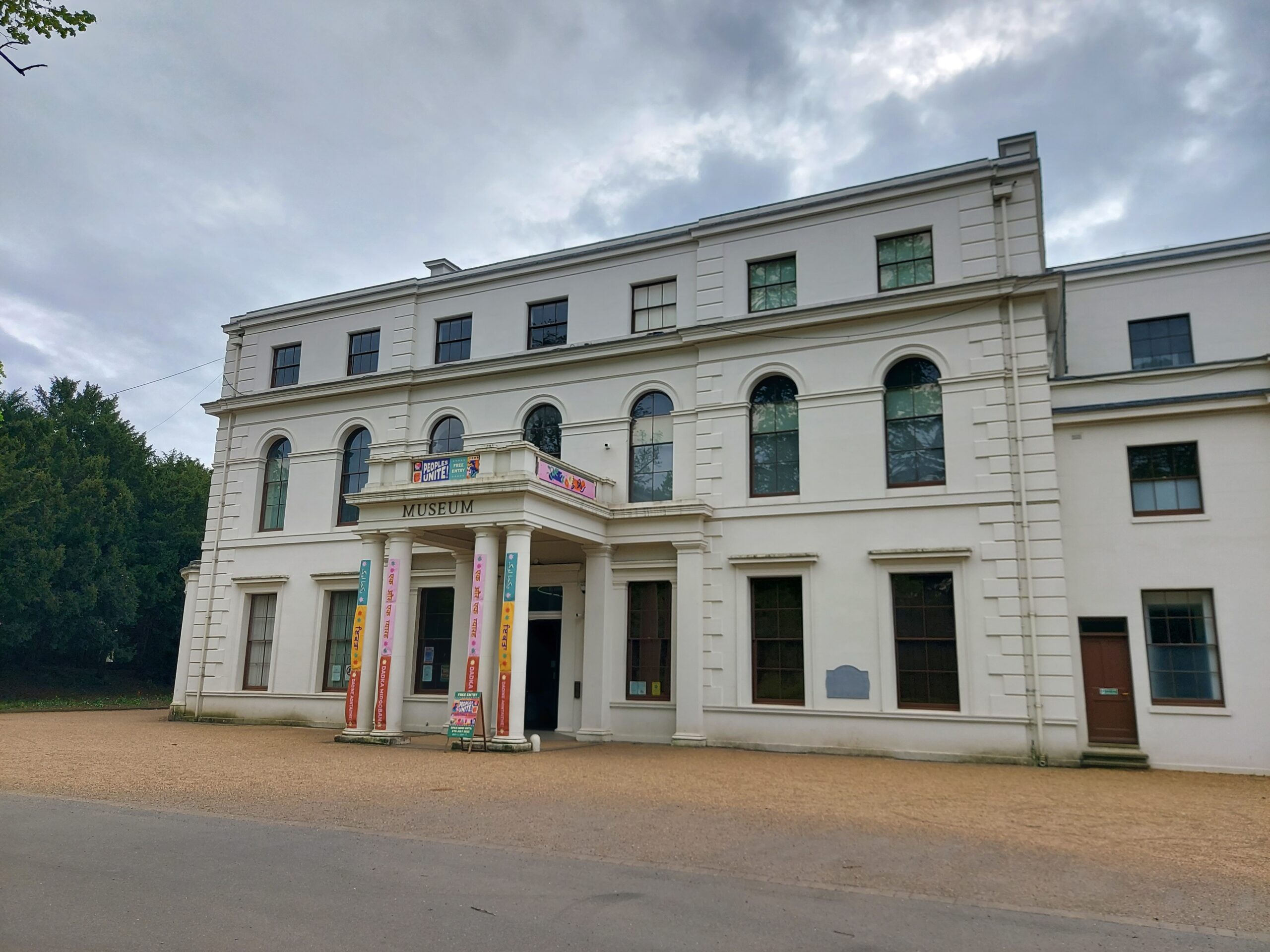
Gunnersbury Park Museum

I visited Gunnersbury Park Museum for the first time in several years. The museum is located in Gunnersbury Park, which isn’t far from me, so it’s a shame I hadn’t managed to visit earlier, except for after-hours events.

The museum opened in 1929 and has a varied collection of around 50,000 items, focusing on the heritage of Ealing and Hounslow. For a small museum, it has a wide-ranging series of exhibitions. One focus is on the history of the house and the estate, formerly home to the Rothschilds; another is on the history of the boroughs, from Palaeolithic times to the modern day. There is a childhood collection of toys and games, information about local religion and schools in the area, and artefacts from local businesses and public places. In addition there is a fashion collection, including items as varied as a 1760s court dress and a modern South Asian wedding dress, as well as a restored butler’s pantry.

When I visited I also explored the temporary exhibition, Peoples Unite! How Southall changed the country. Southall is known as the home of a large community made up of people from Britain’s former colonies, especially South Asians. The exhibition explores the richness, diversity and variety of experiences within this neighbourhood, the racism faced by its inhabitants, and how residents have fought back.

Gunnersbury Park is a lovely park in itself, and a visit to the museum is highly recommended. It definitely punches above its weight.

FACTS

Address: Gunnersbury Park, Popes Lane, London, W5 4NH

Website: visitgunnersbury.org/museum

Opening Hours: Tues-Sun 10am-4:30pm

Price: Free

Versailles: Science and Splendour – Science Museum

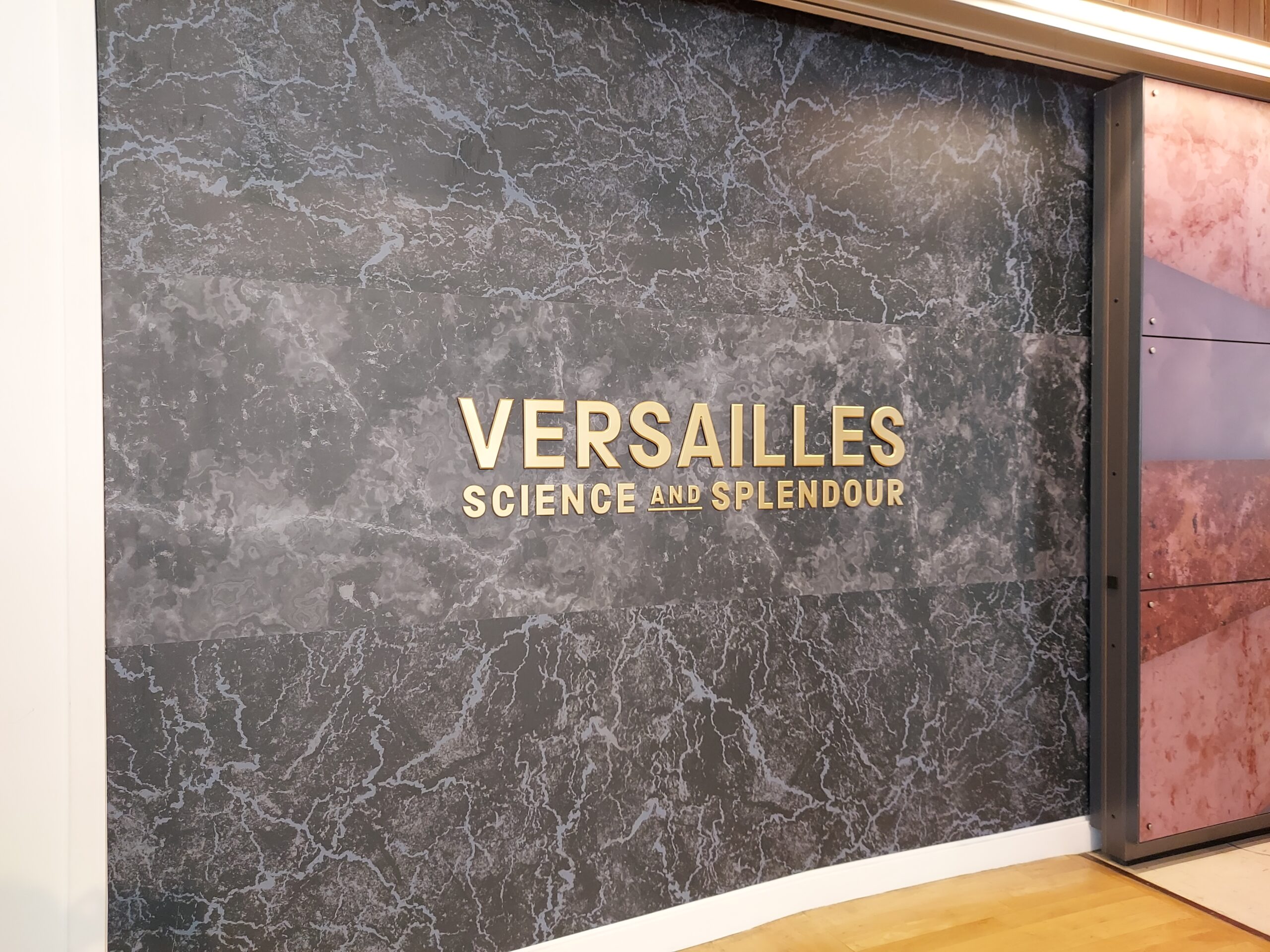
Versailles exhibition

On the same day I visited the V&A, I also popped into the Science Museum to see the exhibition Versailles: Science and Splendour. This exhibition focused on the role the palace of Versailles played as a major site of scientific thinking in the 17th and 18th centuries, an aspect of its history that is not as well known as its architecture and royal and political history.

This rich and intriguing exhibition was enjoyable and illuminating. It explores the scientific developments that took place at the palace, led by the monarchs of the period who were genuinely interested in scientific development. Louis XV commissioned the midwife Angélique Marguerite Le Boursier du Coudray to educate medical personnel involved in helping with childbirth: her working model, made of stuffed fabric, is impressively accurate. When Louis XV died of smallpox, his son Louis XVI agreed to have the family inoculated, influencing the popularity of vaccination in France.

Versailles itself incorporates impressive engineering into its beautiful architecture: the water features worked thanks to a pump taking water from the Seine. The Clock of the Creation of the World is an exquisite and opulent piece designed to tell the time, date and year as well as the movement of the planets. French scientists such as Buffon and Lavoisier worked at the palace, but the work of foreign scientists such as Newton were also popular.

King Louis XIV agreed to a risky fistula operation, successfully performed by the royal surgeon Charles-François Félix, who invented a special scalpel for the occasion – the darker side of this success was the number of peasants killed during his ‘practice runs’, and this example perhaps illustrates why the French Revolution took hold not long after, despite the French kings’ enlightenment in the matter of science.

Versailles sun design

The Great Mughals: Art, Architecture and Opulence – V&A

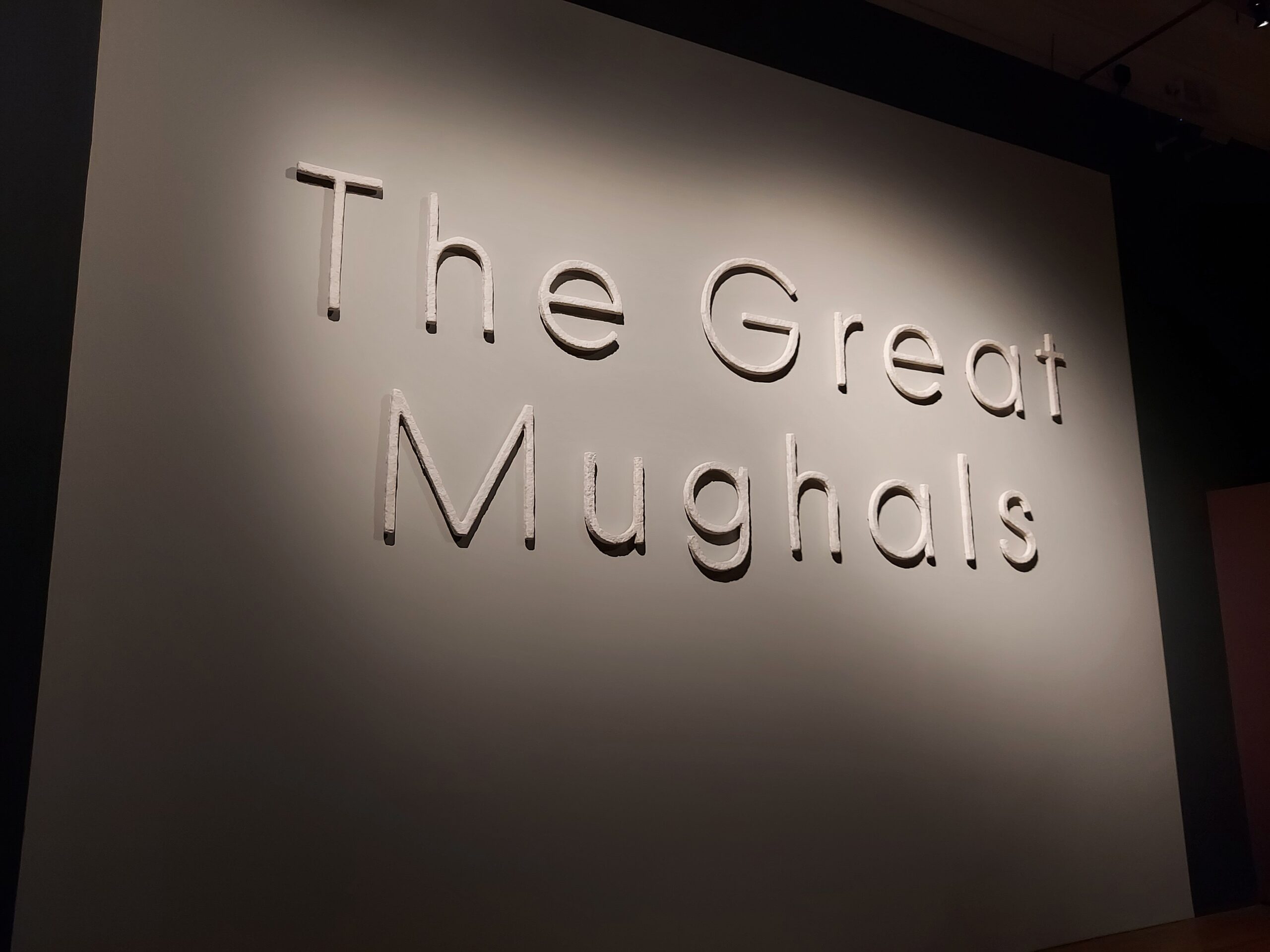
The Great Mughals exhibition

I visited The Great Mughals: Art, Architecture and Opulence at the Victoria and Albert Museum. This exhibition focuses on the reigns of emperors Akbar, Jahangir and Shah Jahan, considered the Golden Age of the Mughal court (c. 1560-1660), in terms of its culture and creative output. In fact, Shah Jahan is most famous for the Taj Mahal, one of the most beautiful buildings in the world.

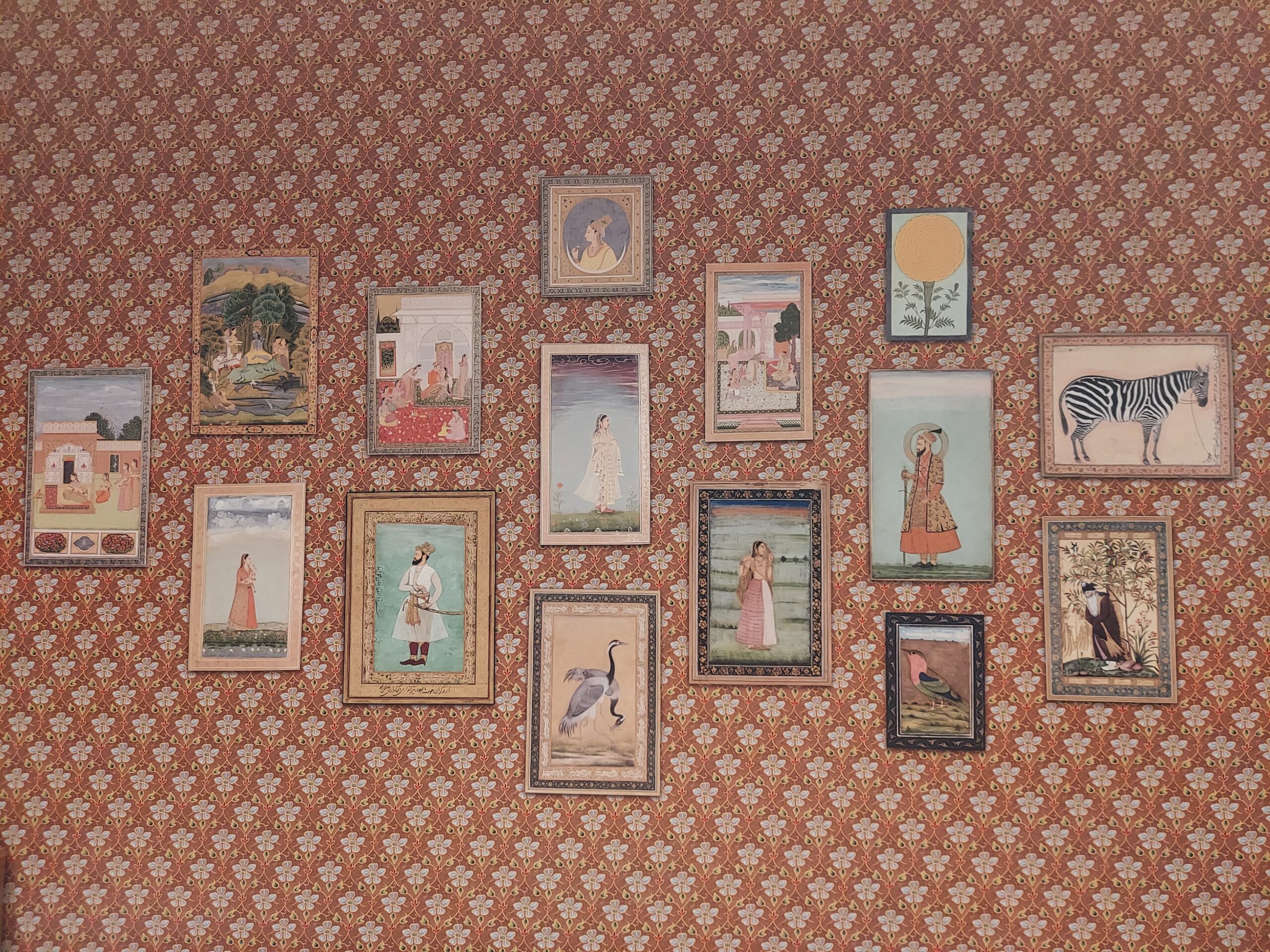
The exhibition contains some absolutely beautiful examples of art, such as paintings, jewellery, embroidered clothing, cups and swords. The Mughal rulers, despite being warlike and despite the fact that Akbar was illiterate, cared deeply for arts and culture and this is clear in the wonderful objects on display.

The Great Mughals decor

Medieval Women: In Their Own Words – British Library

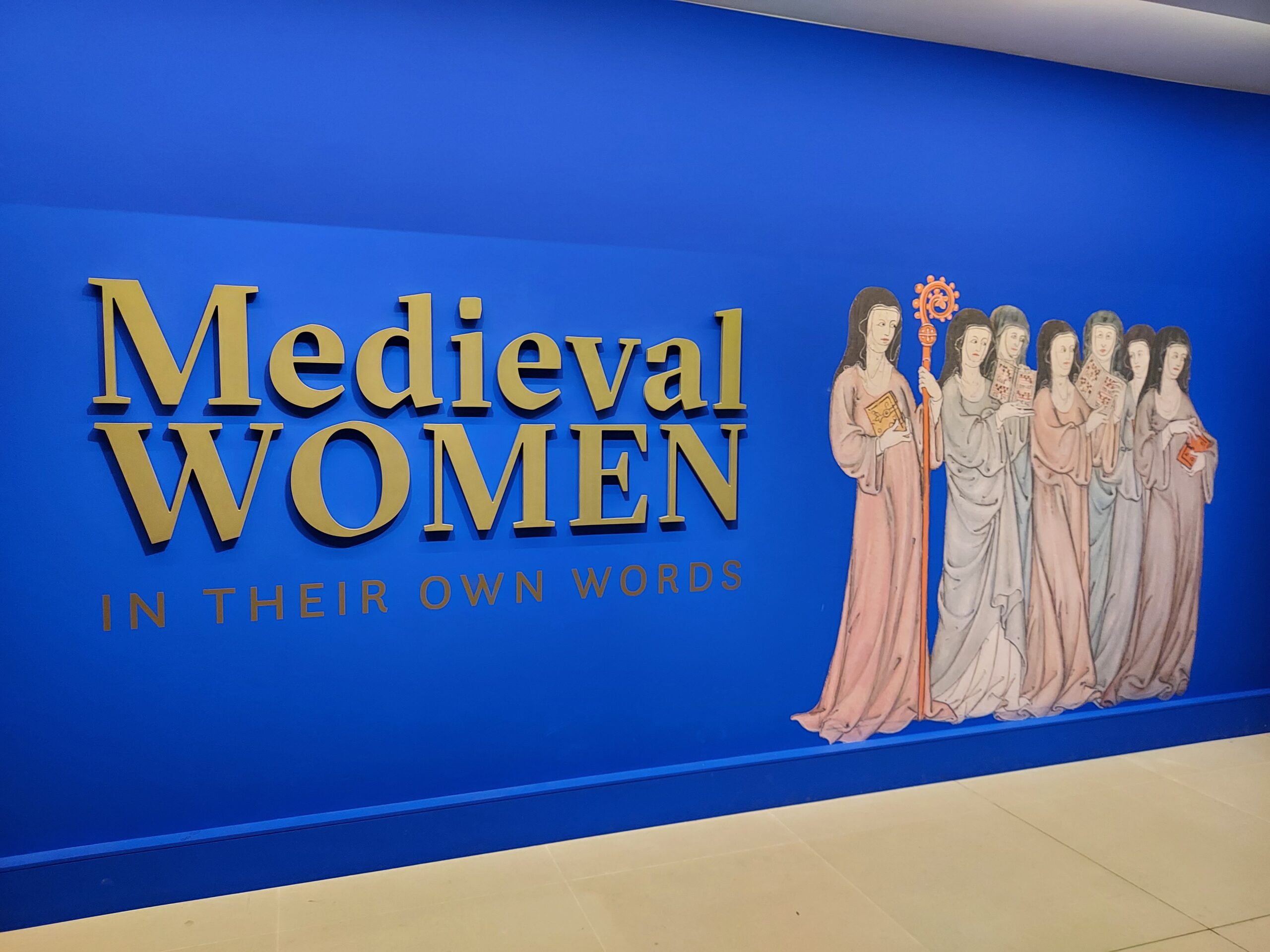
The last exhibition I visited before Christmas was Medieval Women: In Their Own Words at the British Library. The exhibition was a fascinating look at the lives of medieval women in Europe, revealing their roles, thoughts and experiences.

Women in the medieval period faced the same issues women have always faced in a patriarchal society, as well as issues that still affect women today, such as the gender pay gap. However, they still led rich and colourful lives, and the exhibition shines a light on their experiences.

Items on display include a letter written by Joan of Arc, the sole existing copy of the Book of Margery Kempe, and the fighting fund of Margaret of Anjou. I was intrigued by the mention of Lidwina of Schiedam, patron saint of chronic pain and ice skating, and the explicit erotic poetry of Gwerful Mechain. There was also mention of a trans woman, Eleanor Rykener, who was arrested for engaging in sex work but who also worked as an embroideress and a barmaid.

I loved the exhibition and would definitely recommend a visit.

Reproduction of a statue of Eleanor of Castile

Birds: Brilliant and Bizarre – Natural History Museum

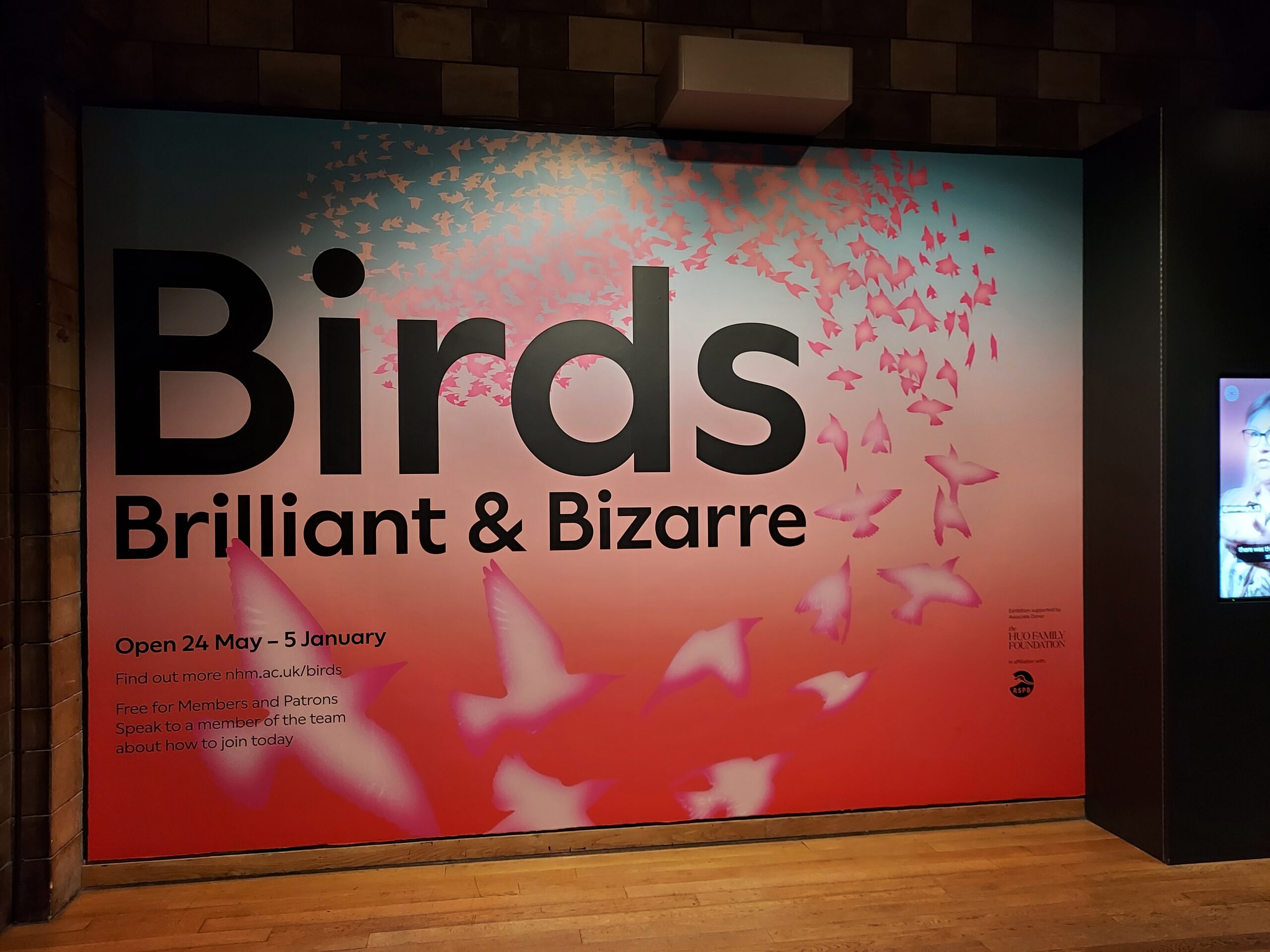
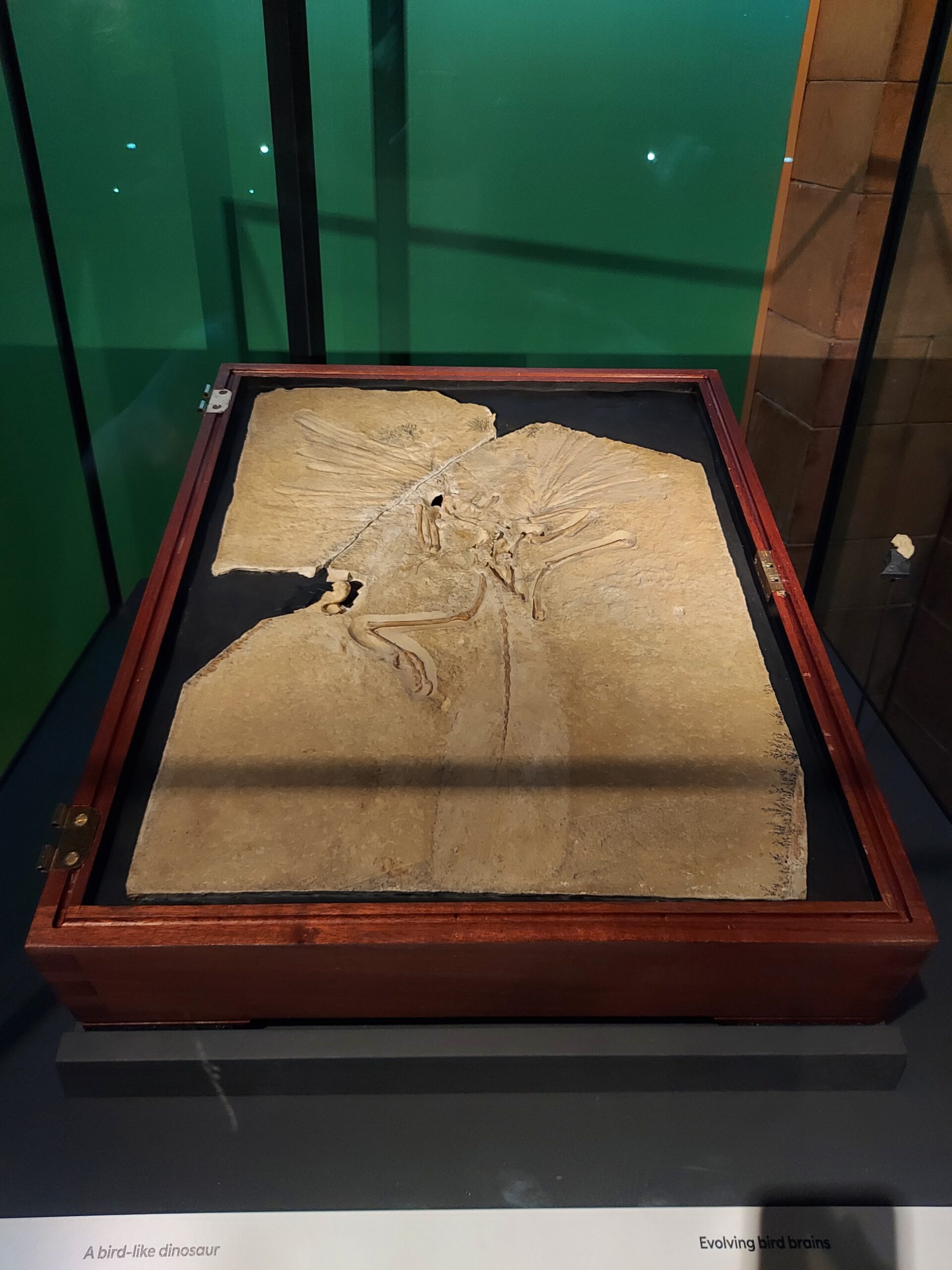
I had a random day off in December so headed to the Natural History Museum to see the Birds: Brilliant and Bizarre exhibition. I do like birds and any excuse to learn more about them is great. The exhibition started off well with an exploration of how birds evolved from dinosaurs, including a particularly impressive archaeopteryx fossil.

archaeopteryx fossil

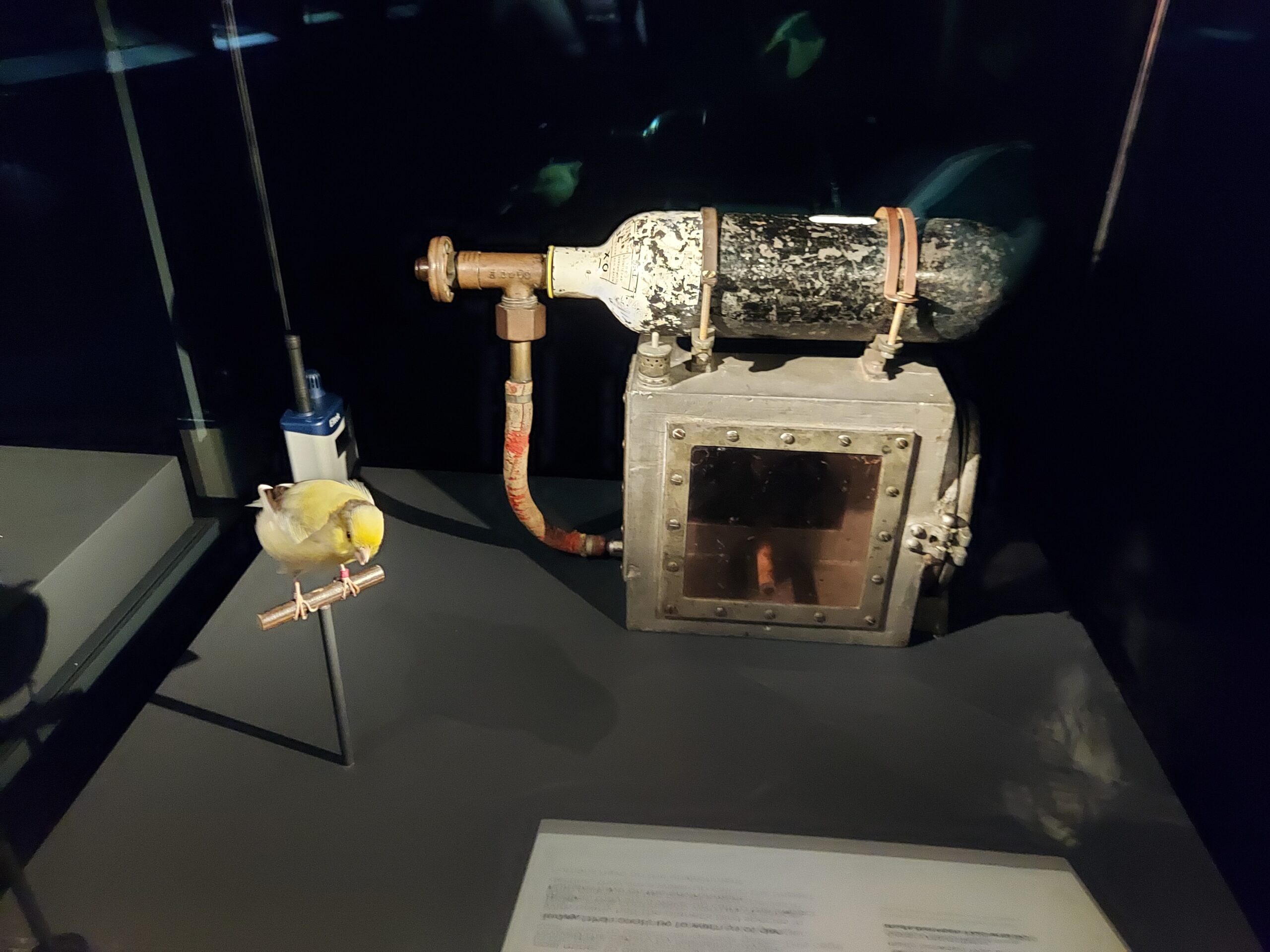
The rest of the exhibition was all about how great birds are, which is a sentiment I can definitely get behind. There are opportunities to listen to birdsong and view video clips of unusual birds in action. We learn about how birds helped humans: one particularly moving exhibit was a stuffed canary alongside the Victorian contraption used to revive it should it be affected by noxious gases inside the coal mine.

A canary next to the machine to revive it in the coal mine

However, in general I found the exhibition disappointing. Most of the exhibits were stuffed birds from the NHM collections and, while these are historic, they were still sad to see. The exhibition aims to emphasise the threat to birds from humans, and asks us to consider the environmental issues they face, which is laudable. However, I didn’t find it particularly exciting or inspiring.

Michelangelo, Leonardo, Raphael: Florence, c. 1504 – Royal Academy

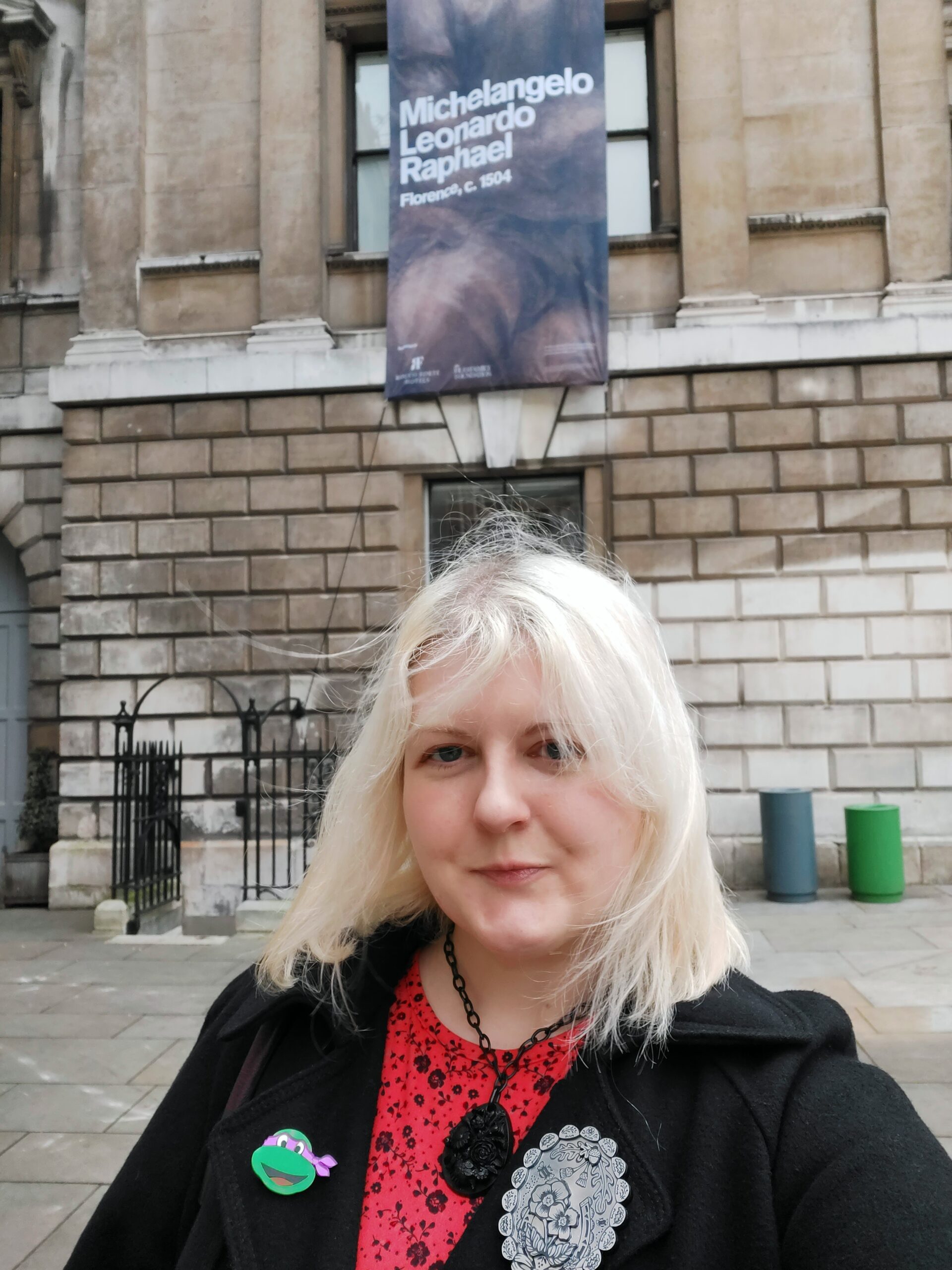
Selfie in front of the RA

I visited the exhibition Michelangelo, Leonardo, Raphael: Florence, c. 1504 at the Royal Academy. I wore my Donatello brooch to the exhibition so that he wouldn’t feel left out. This was probably the most exciting thing about the exhibition.

These three leading artists gathered in Florence on 25 January 1504 to discuss an appropriate location for Michaelangelo’s David. The exhibition uses this point in time to look at the work of these three titans of the art world and explore their similarities and differences. Sadly, I found it rather dull.

The first room brings together Michaelangelo’s Taddei Tondo, Leonardo da Vinci’s drawing The Virgin and Child with St Anne and the Infant St John the Baptist and Raphael’s oil, The Bridgewater Madonna. They are all key works of the Renaissance and worth seeing together.

One room compares battle murals by Leonardo and Michaelangelo, both commissioned to paint them in the same location. Apparently there was a tense rivalry between the two, but this doesn’t really come across here. Michaelangelo’s Battle of Cascina features nude men climbing out of a river: it tells the story of a battle in which soldiers on a break pause their swim to arm themselves and defeat the incoming Pisans. The mural was approved by Machiavelli. Leonardo’s Battle of Anghiari, in which Florence defeated Milanese mercenaries, is a more traditional depiction of war, but immense in its power.

The quality on offer in this exhibition is unquestioned, I just wish the story behind it had been more effectively conveyed.

The World of Tim Burton – Design Museum

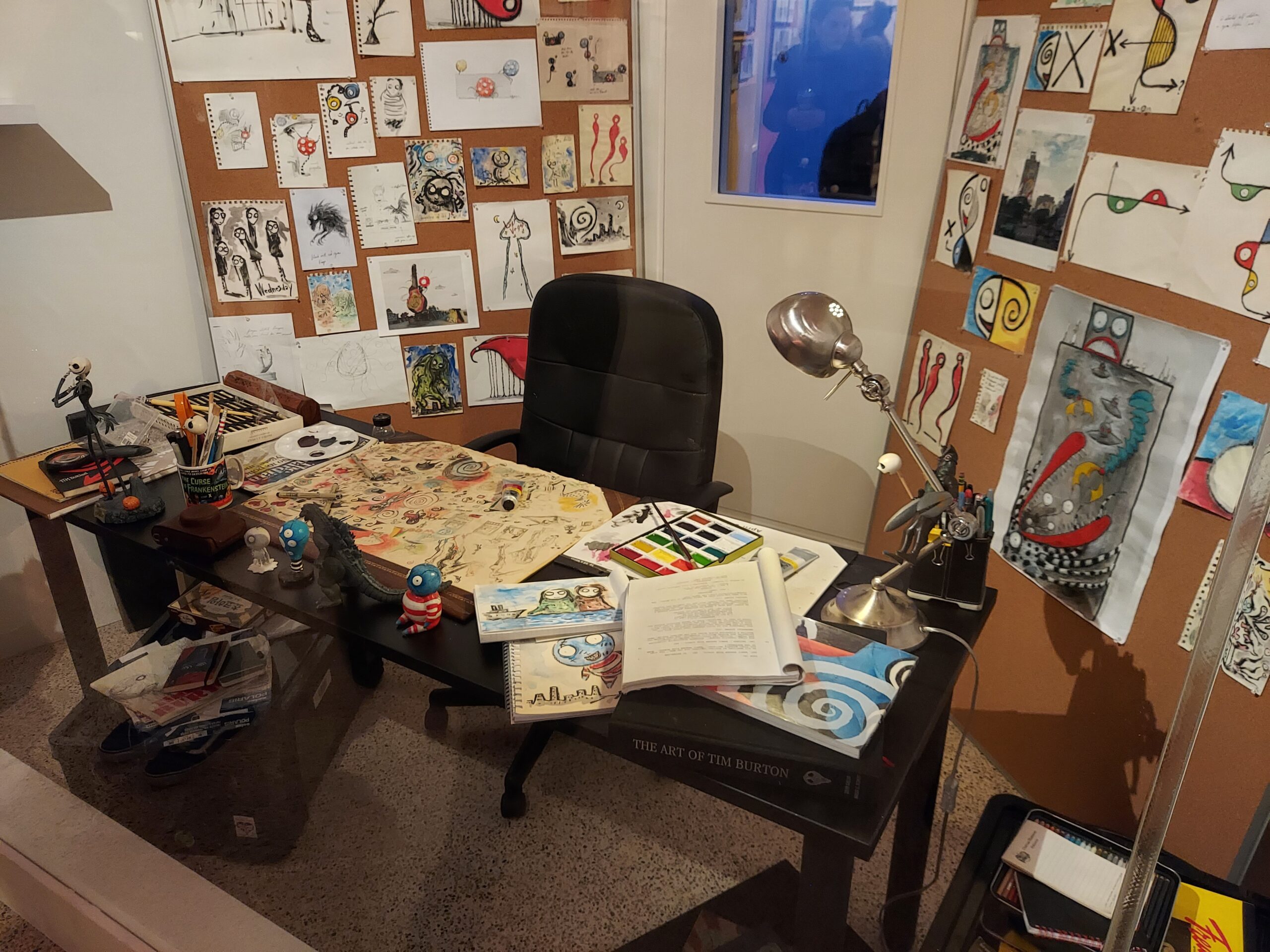
While I was at the Design Museum, I also went to the exhibition on The World of Tim Burton. Having toured the world, the exhibition has finally made it to the UK, and explores the creative mind of this unique filmmaker, illustrator, painter and author, as well as his collaborations with others.

Tim Burton's desk

Burton’s style is hugely distinctive and this has been the case from his early days. Growing up in American suburbia, he channeled his imagination into the strange and the bizarre, turning the cosy and predictable on its head. Drawn from his personal archives, his earliest works in this exhibition are from his schooldays, and already show signs of his future genius.

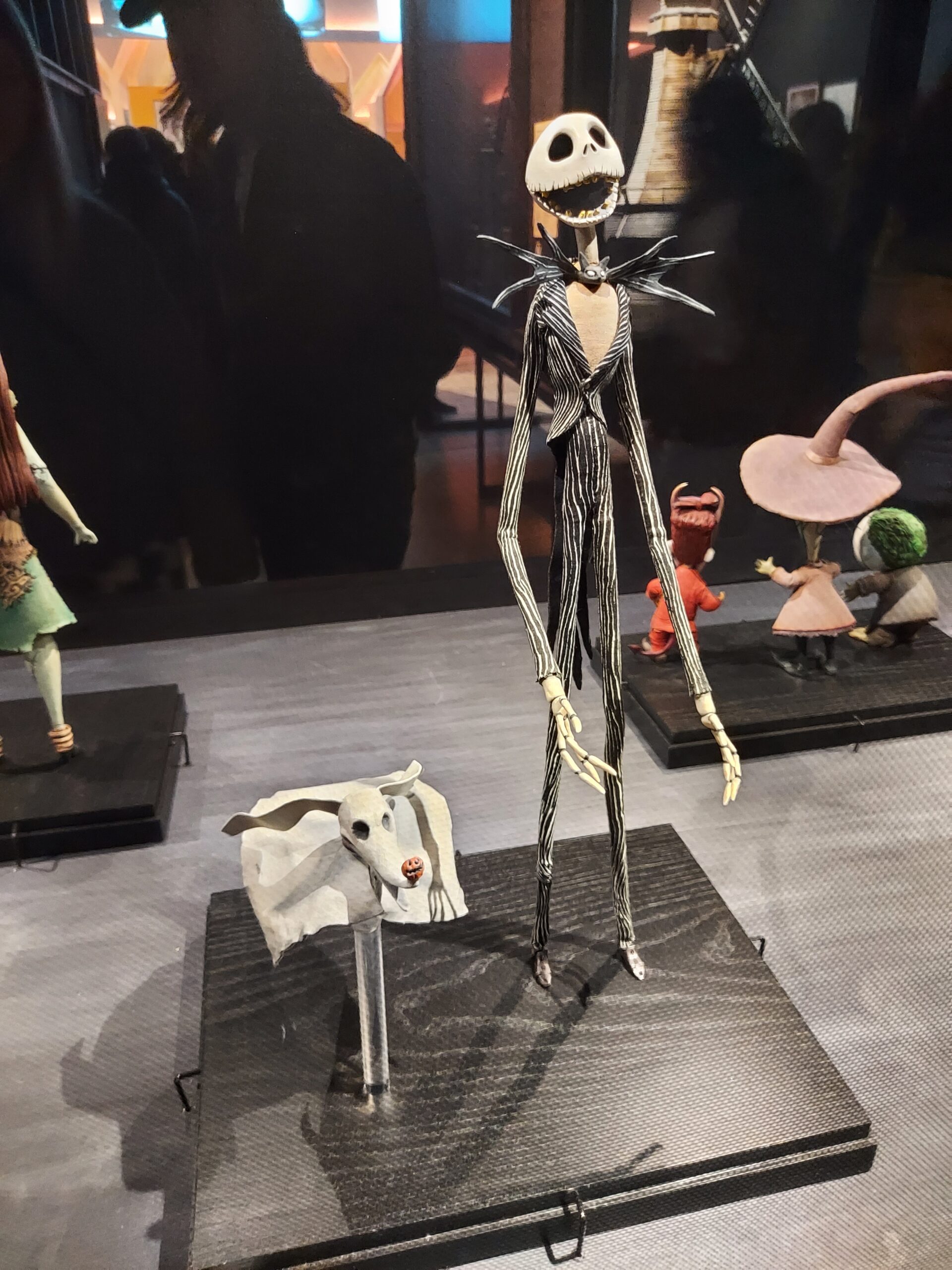
Jack Skellington

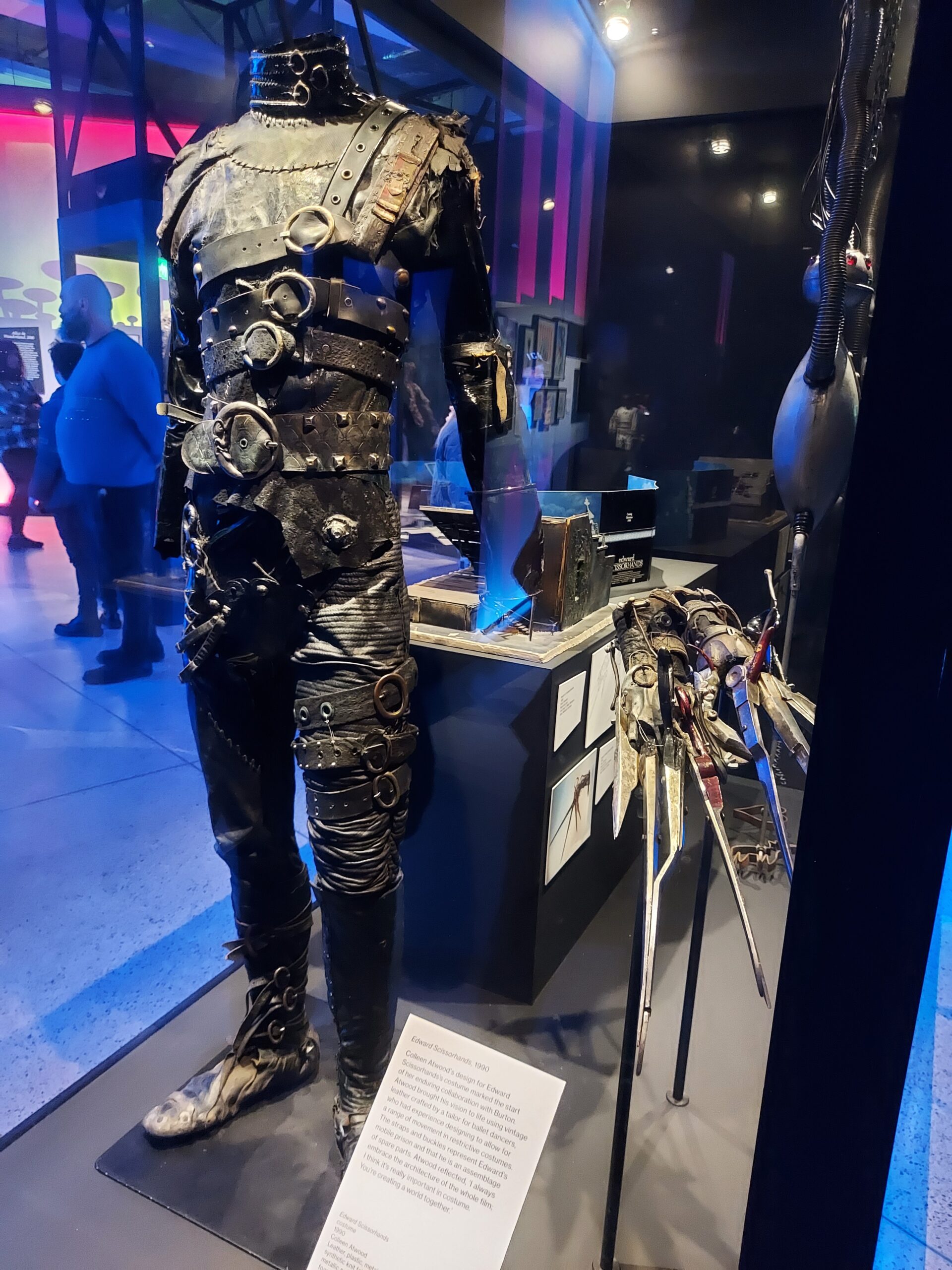
The exhibition features artworks, photographs, writings, sketchbooks, imagery, models and set and costume design. Standalone artworks are featured, and there are sections devoted to the movies he designed, such as The Nightmare Before Christmas, Corpse Bride and Big Fish. His studio, crammed with drawing materials and artworks, is recreated.

This is another fascinating exhibition and definitely worth seeing for any fans of Burton’s aesthetic.

Edward Scissorhands costume

Barbie®: The Exhibition – Design Museum

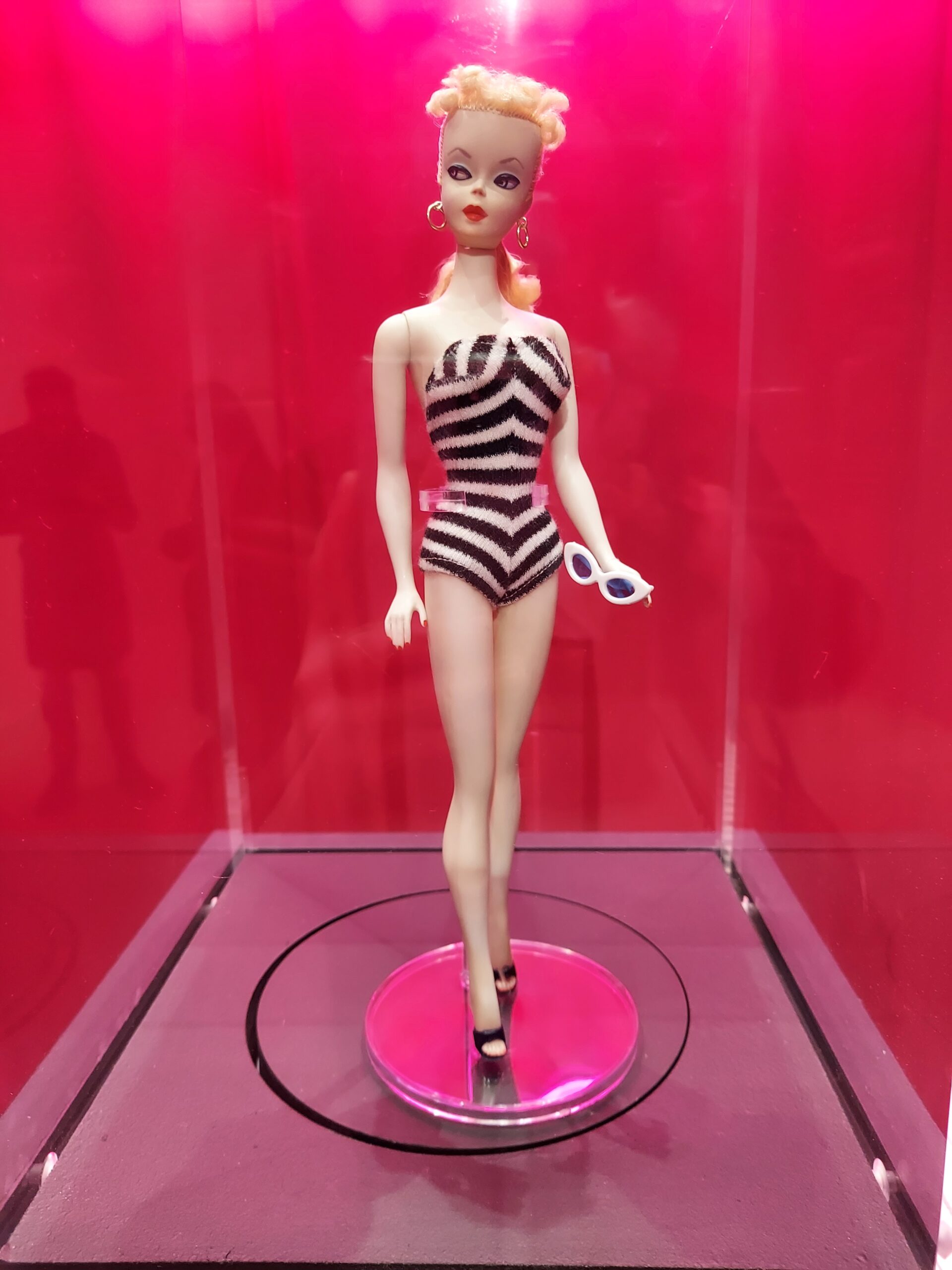
Original Barbie

I had a Friday off work so I went along to the Design Museum to see the Barbie exhibition. Like most little girls, I had Barbies when I was a child and the exhibition, featuring over 250 objects, promised to be an interesting look at the evolution of Barbie from 1959 to the present day.

On display was one of the first ever dolls released by Mattel in 1959, as well as other examples including the best-selling Barbie of all time, the Totally Hair Barbie of 1992. I remember seeing this doll advertised at the time, and kind of wanting it, while at the same time knowing that I would never dare to cut her hair so there would be no point.

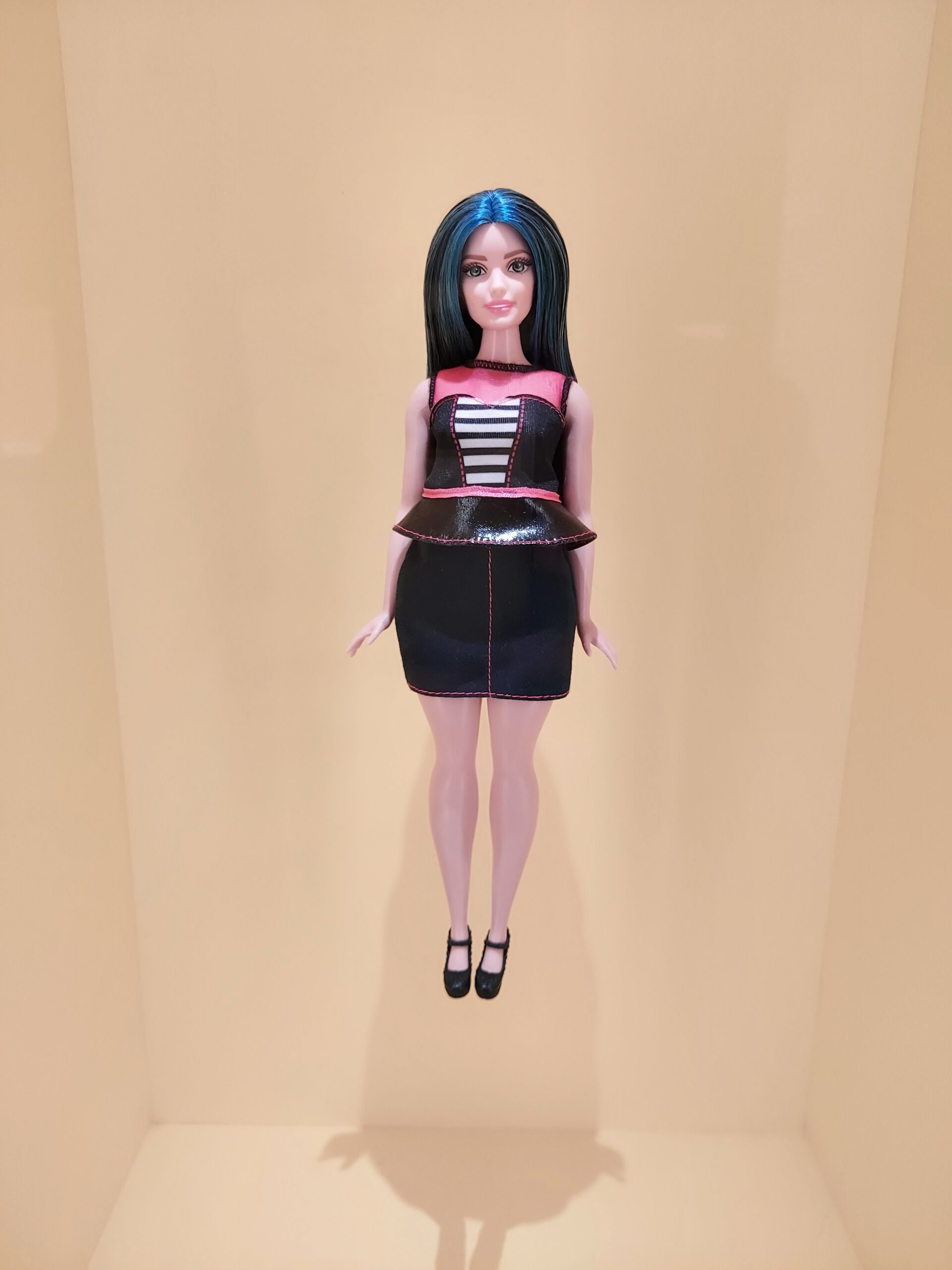
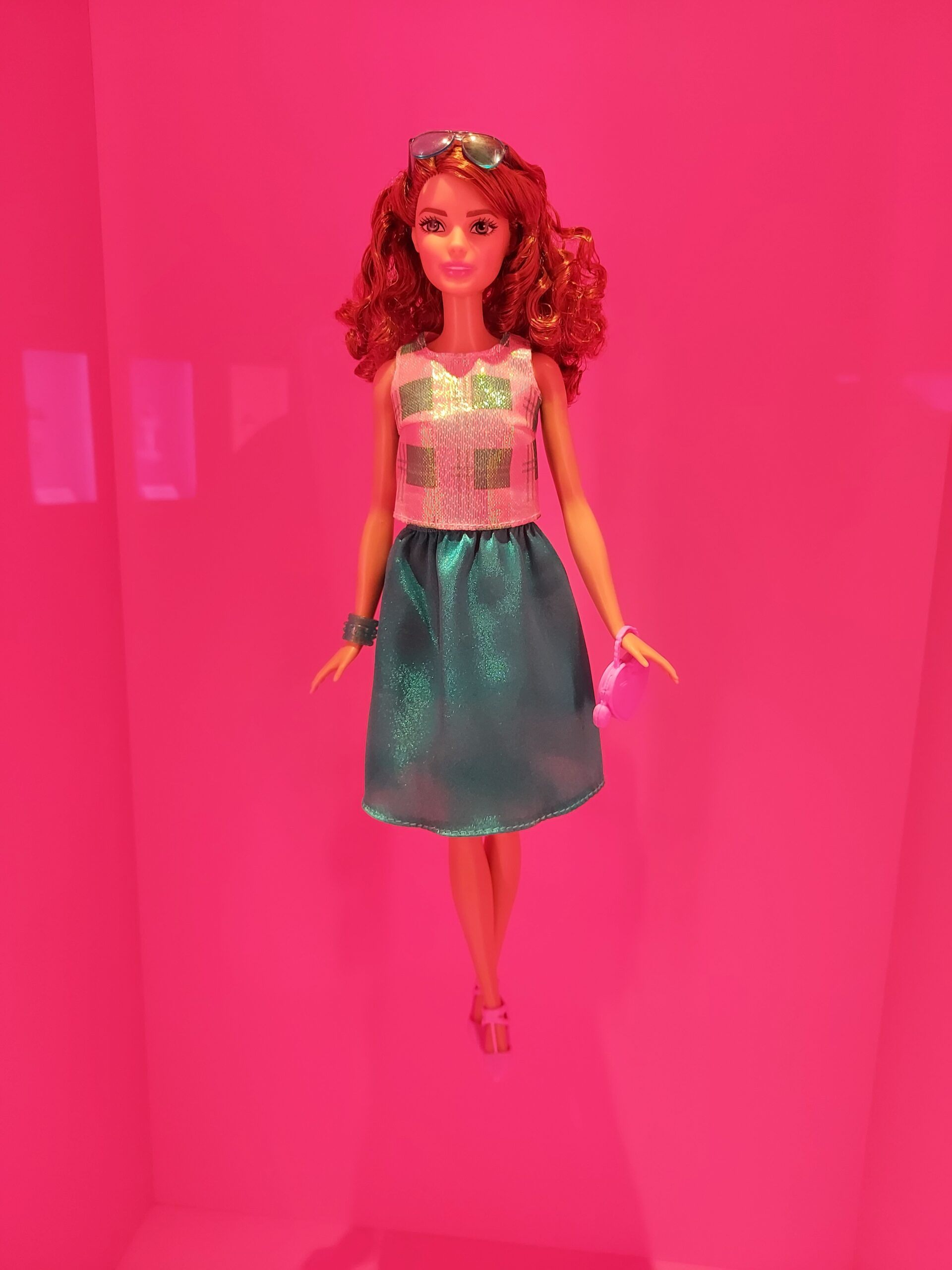
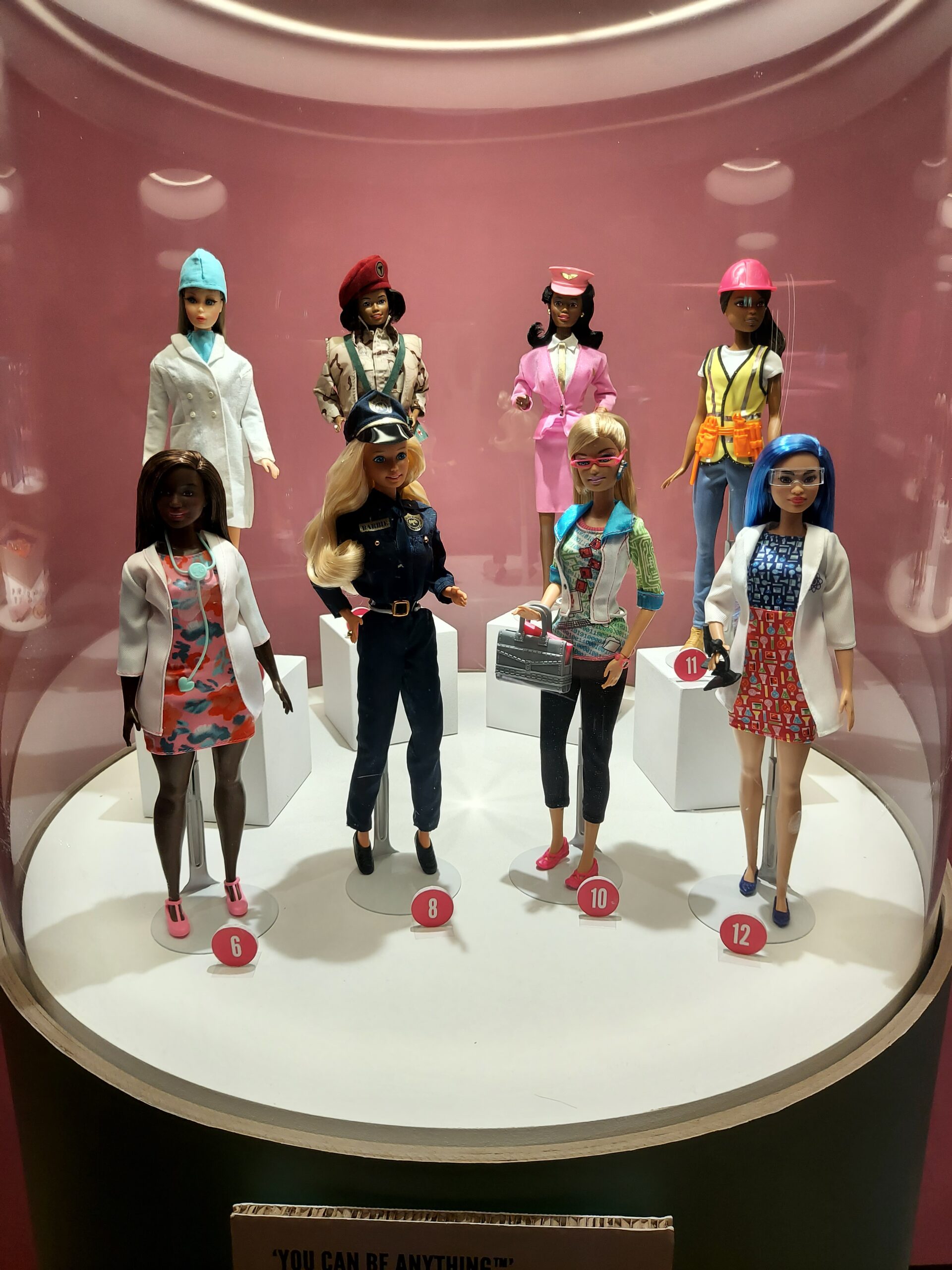
I have never seen so many Barbie dolls in one place. So many different kinds have been released over the years, with countless outfits. I had fun choosing my favourites and recognising the ones I owned. The doll has also reflected changing attitudes and social mores, with Barbie increasingly reflecting and inspiring societal aspirations. Barbies are doctors, teachers and even astronauts.

Barbies with different professions

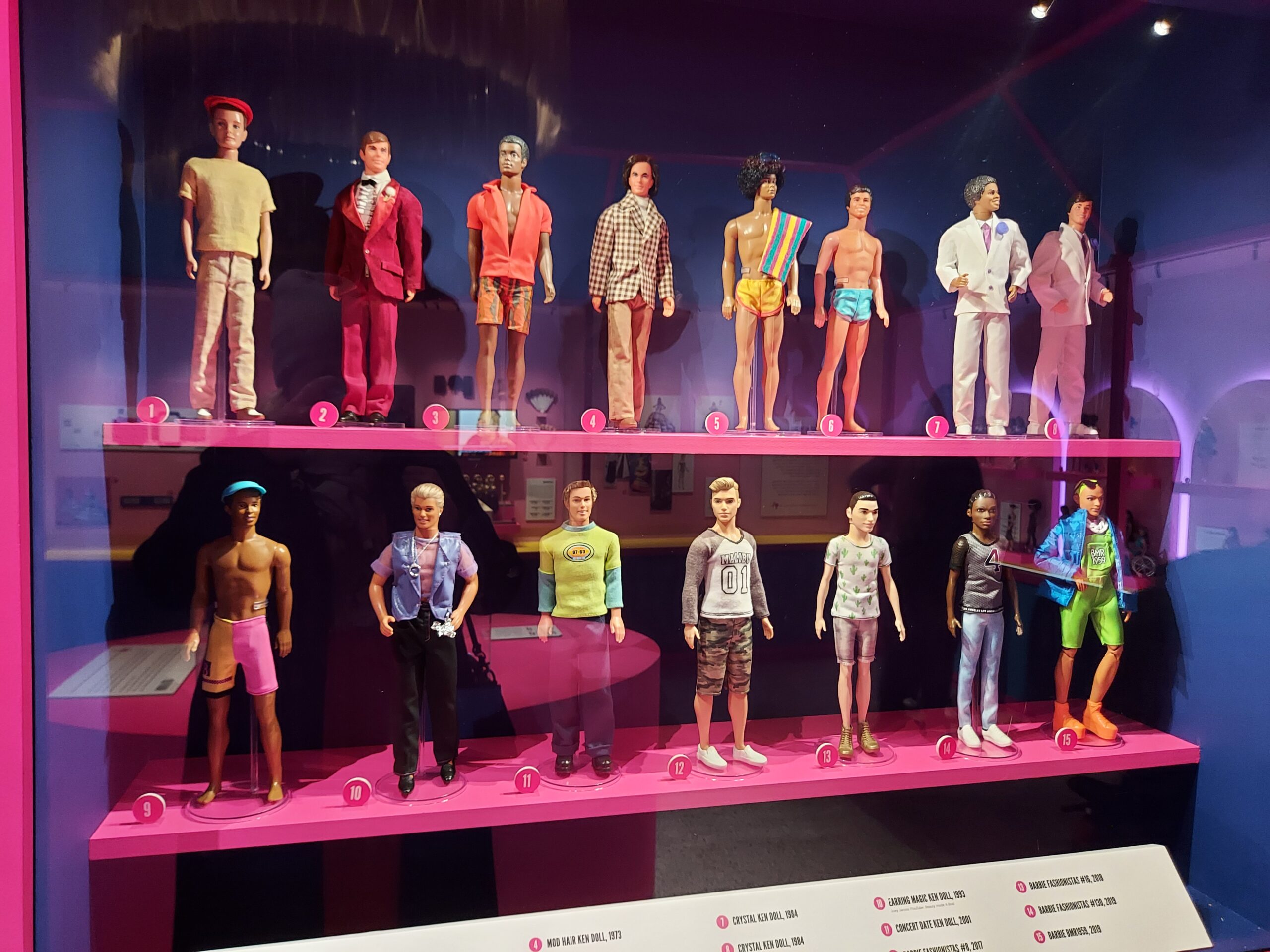
Barbie has had lots of friends over the years, such as Midge, Christie and Teresa, as well as a younger sister, Skipper. And let’s not forget Ken, who has also appeared in various incarnations over the years since his first appearance in 1961.

Ken dolls

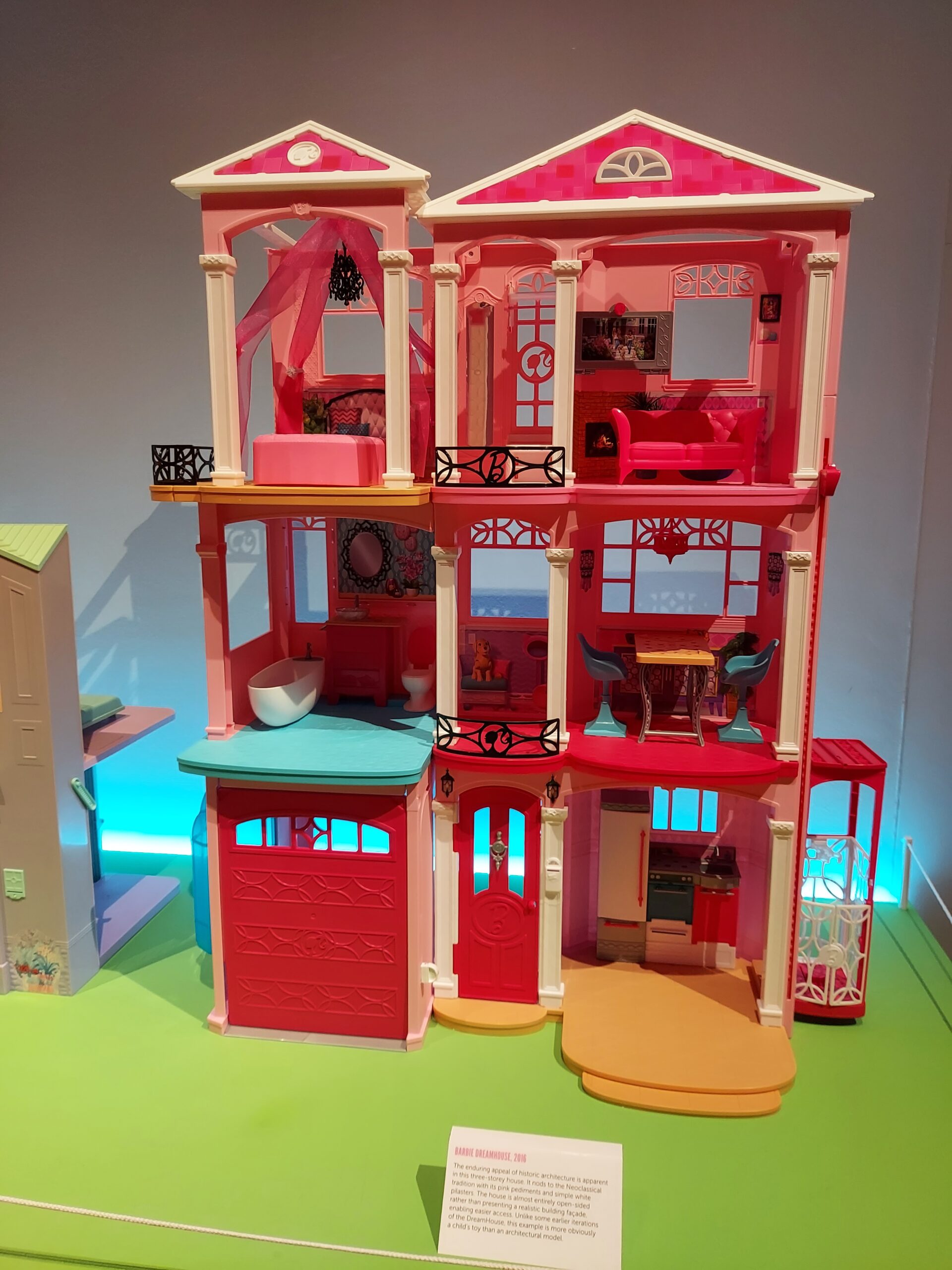
As well as dolls, the exhibition looks at Dreamhouses, vehicles and furniture. These also reflect the times in which they were made and served as aspirational models for children. I have fond memories of my own Barbie campervan, though I can’t say it’s given me a taste for the outdoors.

It’s good to see that Barbie has become much more diverse through the decades. Black, Hispanic and Asian dolls have all been released, as well as those with Down syndrome, dolls that use wheelchairs and Barbies with different body shapes.

Barbie dream house

This was a fun, nostalgic exhibition that was fascinating to explore and showed how influential Barbie has been for over half a century.