The new exhibition at the British Museum, The world of Stonehenge, really does have an appropriate title. It’s not so much about Stonehenge itself – and considering you can hardly scoop up the stones and drop them into the centre of London, this is understandable – but about the society that created it, how it developed before and after, and how it fits in with the European context. It argues that prehistoric peoples always migrated to and from the British Isles – easier in the days before the sea level rose and created the English Channel – and thus knowledge, understanding and skills were shared throughout the continent.
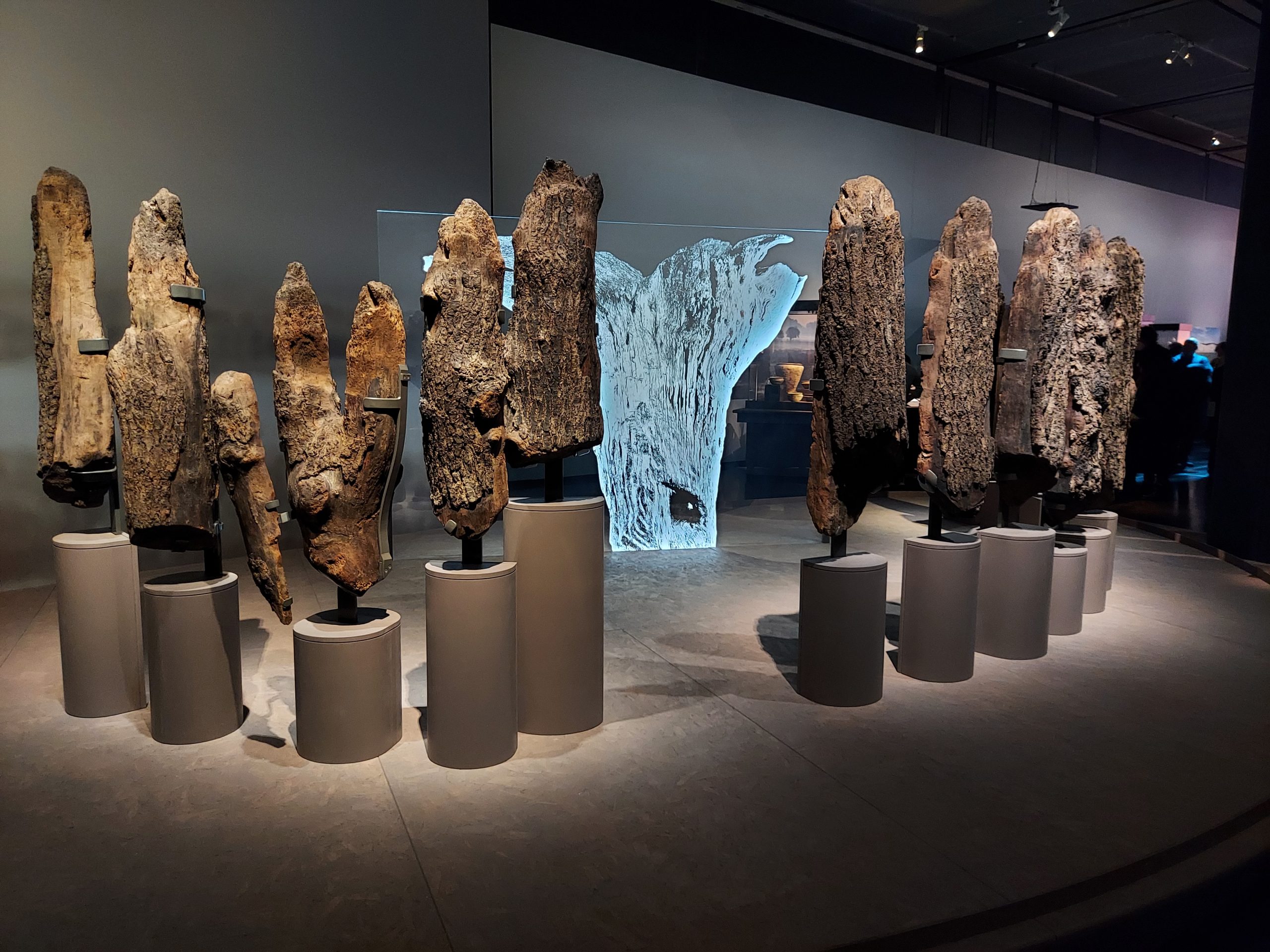
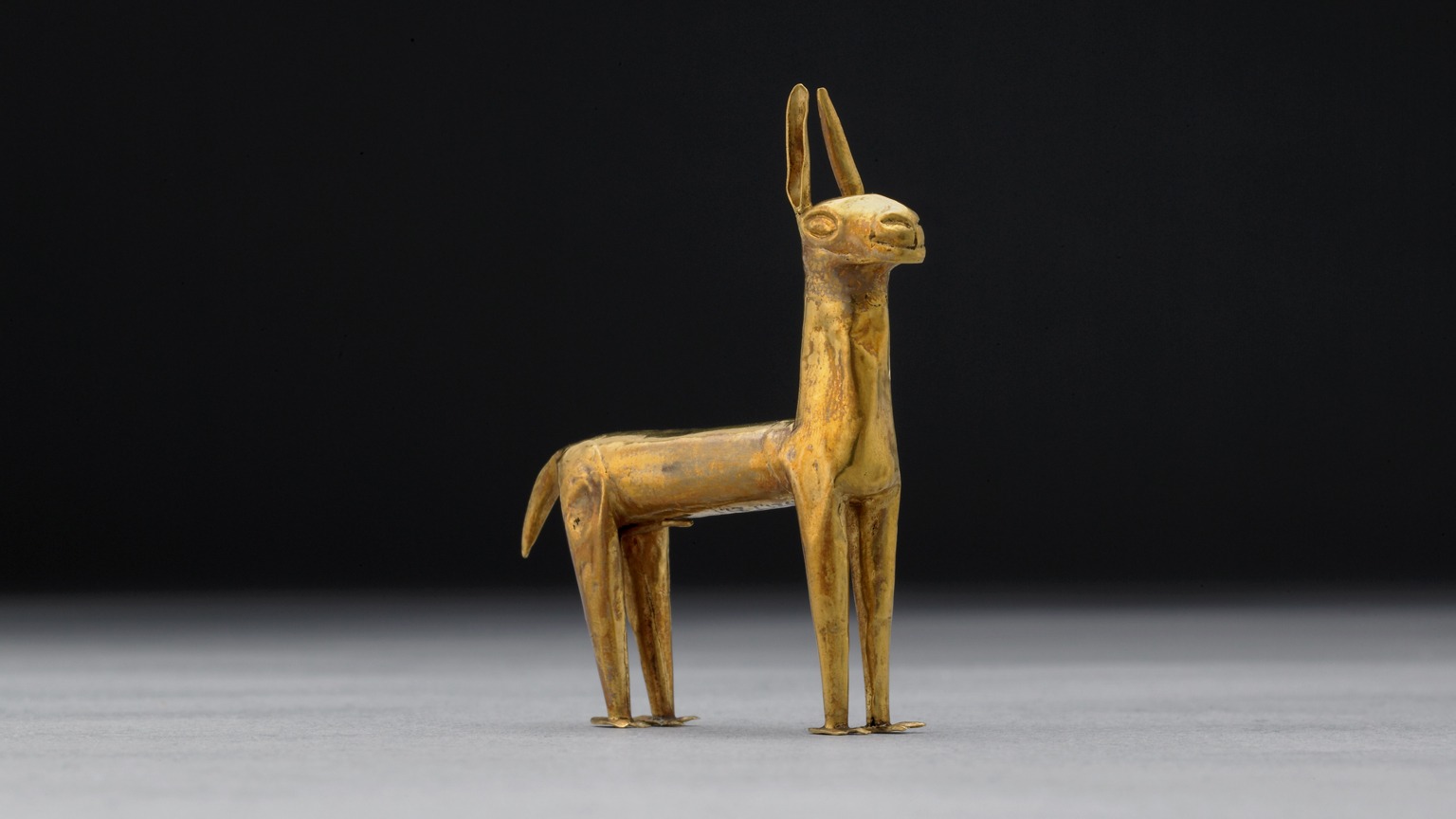
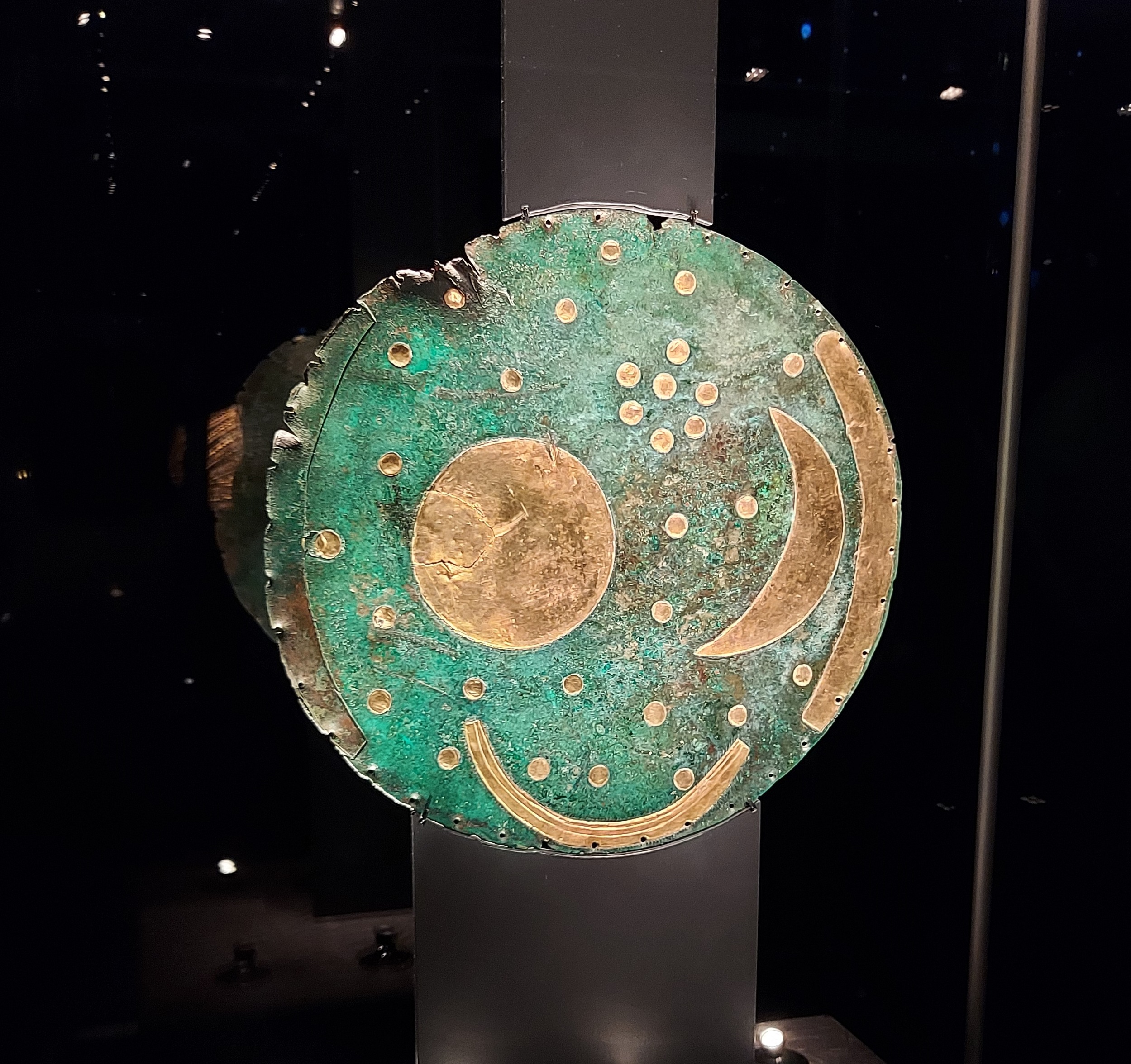
The exhibition covers the period from 4000 to 1000 BC, a time of significant change and development. It begins with tools and other artefacts from the period before Stonehenge was built, and contains an impressively preserved 4,000-year-old timber circle (‘Seahenge’), built in Norfolk around 500 years after Stonehenge. Later we see beautiful gold jewellery and other impressive artefacts such as the Nebra Sky Disc from Germany, the world’s oldest surviving map of the stars, which suggests the exchange of ideas, beliefs and rituals across Europe. To the best of our knowledge, the sun was at the centre of these beliefs, and many of the objects displayed and discussed in this exhibition feature the sun and the sky as a whole. Stonehenge itself is aligned to sunrise on the winter solstice.
The exhibition traces how hunter-gatherers evolved over thousands of years to become settled farmers, communal living morphed into increased inequality (as the wealth of certain individuals’ grave goods suggests), and collaboration eventually gave way to warfare – the exhibition begins with found remnants of a communal feast near Stonehenge, and ends with a display of early armour and weaponry.
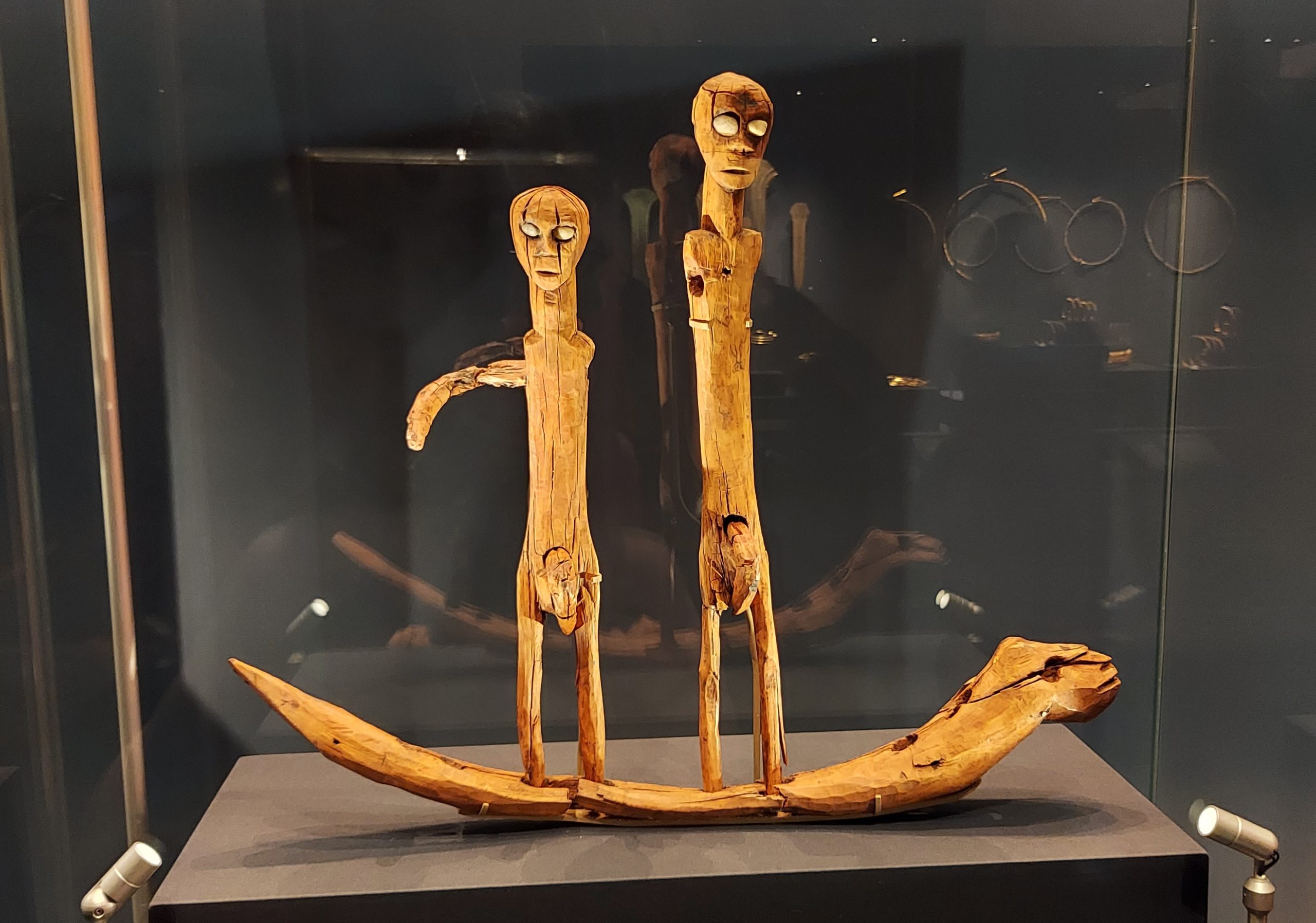
It’s a powerful, fascinating exhibition that helps to bring an ancient society to life and puts us in touch with even more of our history.