Hidden London – Holborn: The Secret Platforms

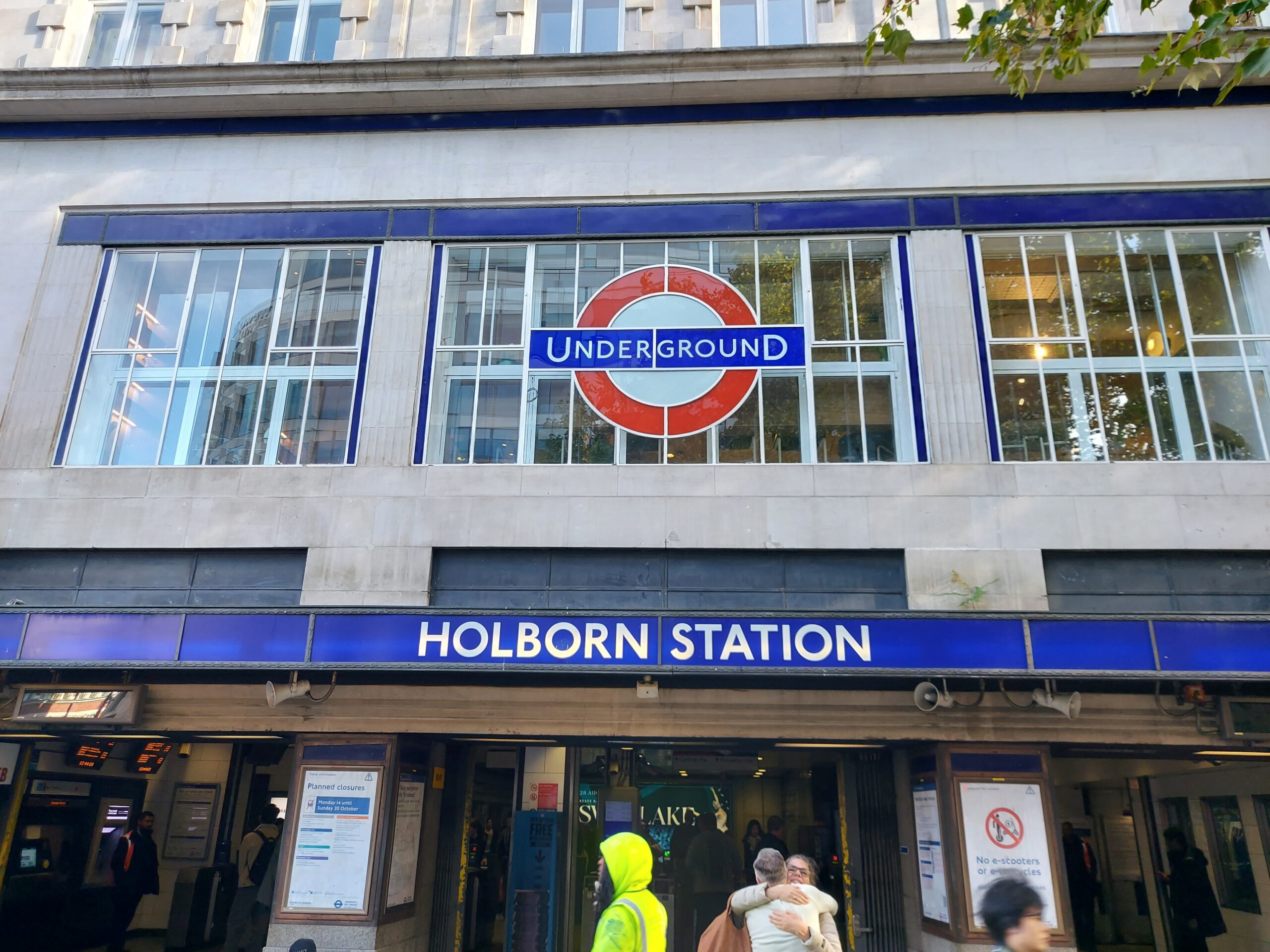
Outside Holborn station
Holborn station today

I got to take part in another Hidden London tour recently – this time Holborn: The Secret Platforms. This is a new tour offering insights into one of central London’s most popular stations. Despite being a busy working station, a third of the station is not open to the public, and this tour opens up those hidden areas.

The station originally opened in 1906 and featured four platforms, all serving the Piccadilly line. At the time, the surrounding area was notorious for its poverty and crime, but the station helped it to develop into an important business district. In 1933, the station was reorganised and expanded to include escalators and encompass the Central line, leading to the closure of the nearby British Museum station.
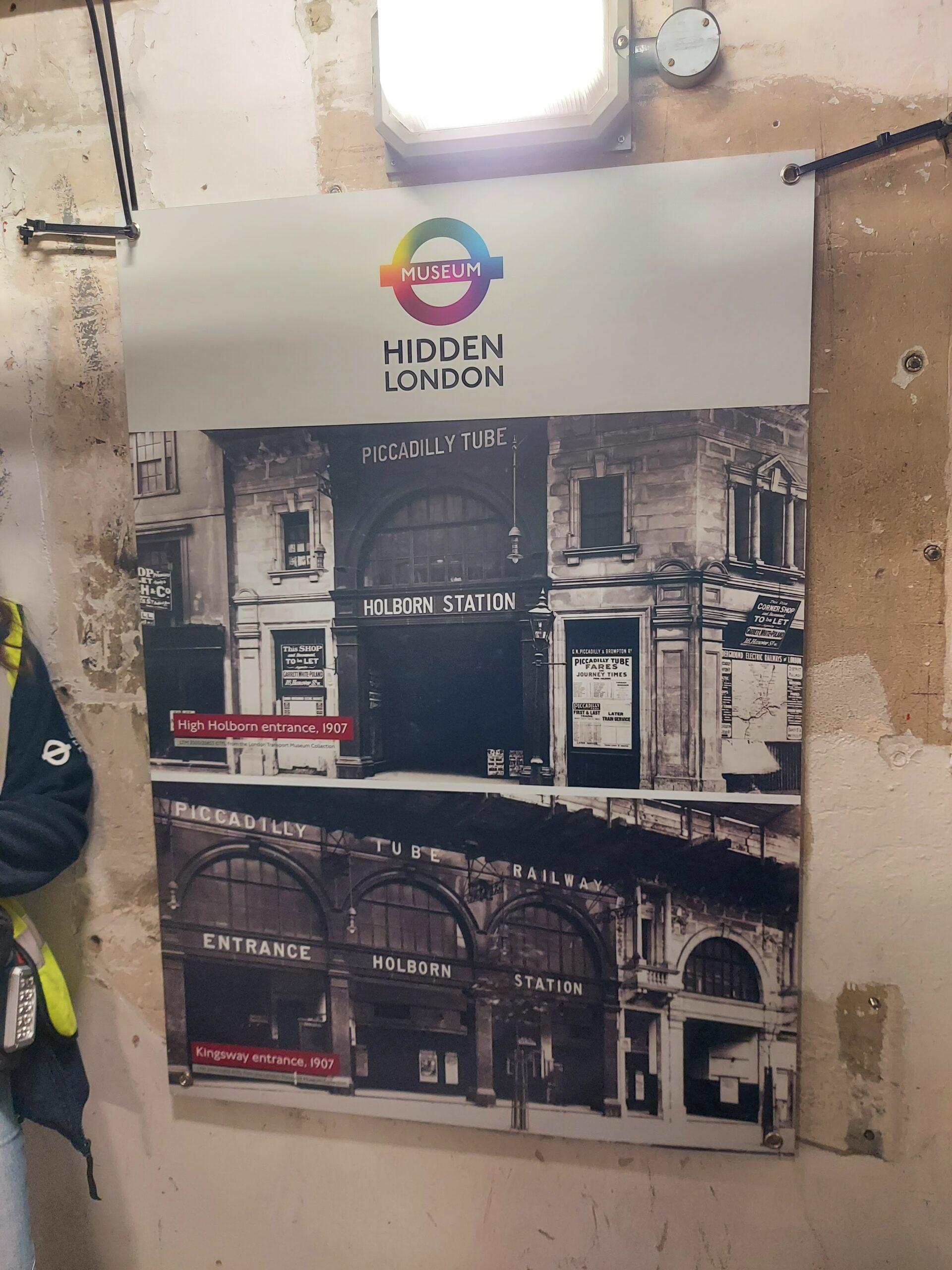
Original entrances to Holborn Station

The original station was designed by Leslie Green, although the facade was of polished granite stained red, not the usual brickwork, in order to fit in with local architecture. We got to walk down the emergency spiral staircase, fitted to complement the lifts that were originally in place.
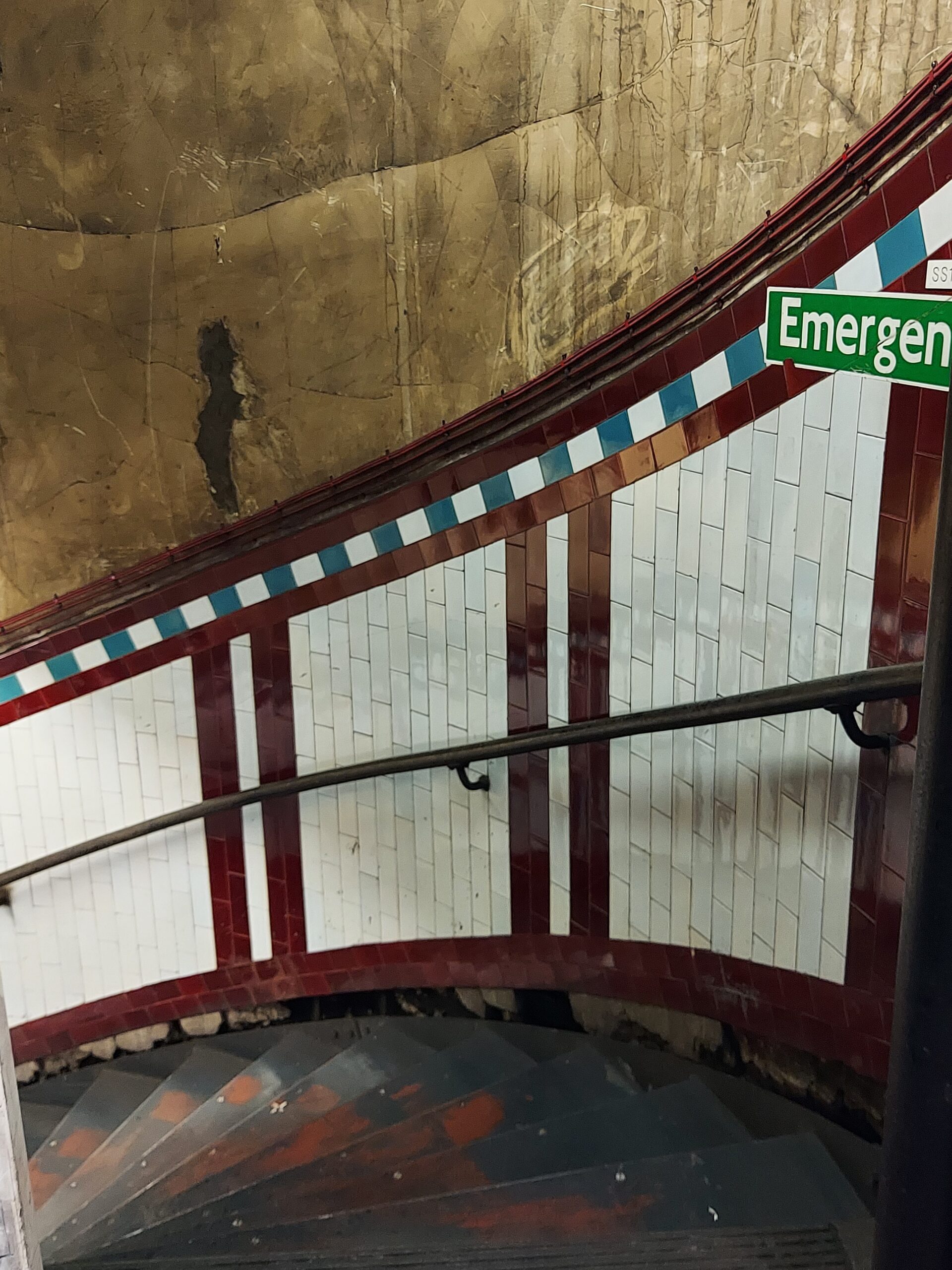
Emergency spiral staircase at Holborn

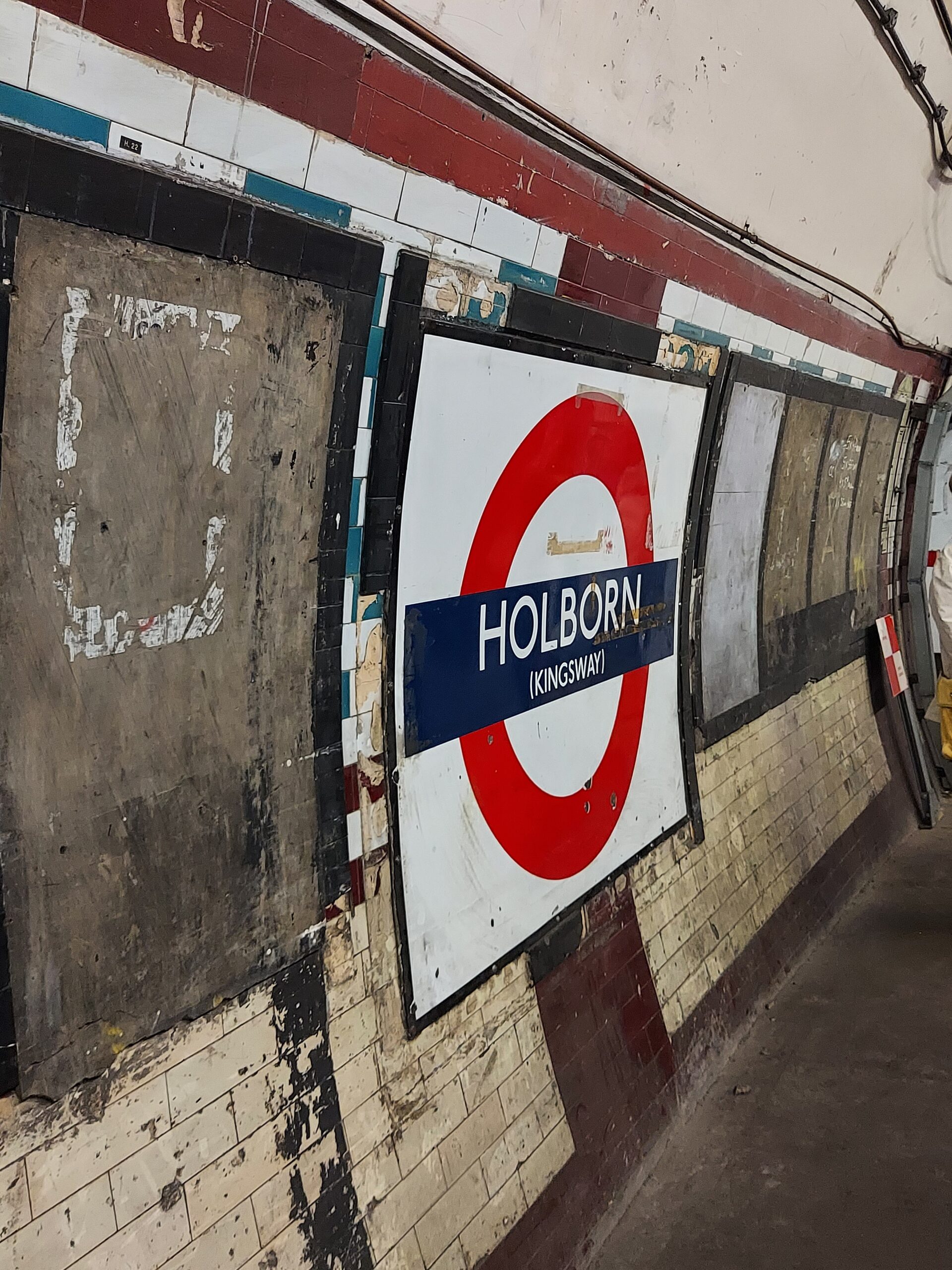
The main reason that so much of this station is now disused is the closure, in 1994, of the little-used Aldwych extension. I visited Aldwych on my very first Hidden London tour (before it was even called Hidden London) around a decade ago, so it was exciting to be able to see the disused tracks from the other end. In the past they have been used as wartime accommodation, a science lab, a model railway club, a substation, and signalling.
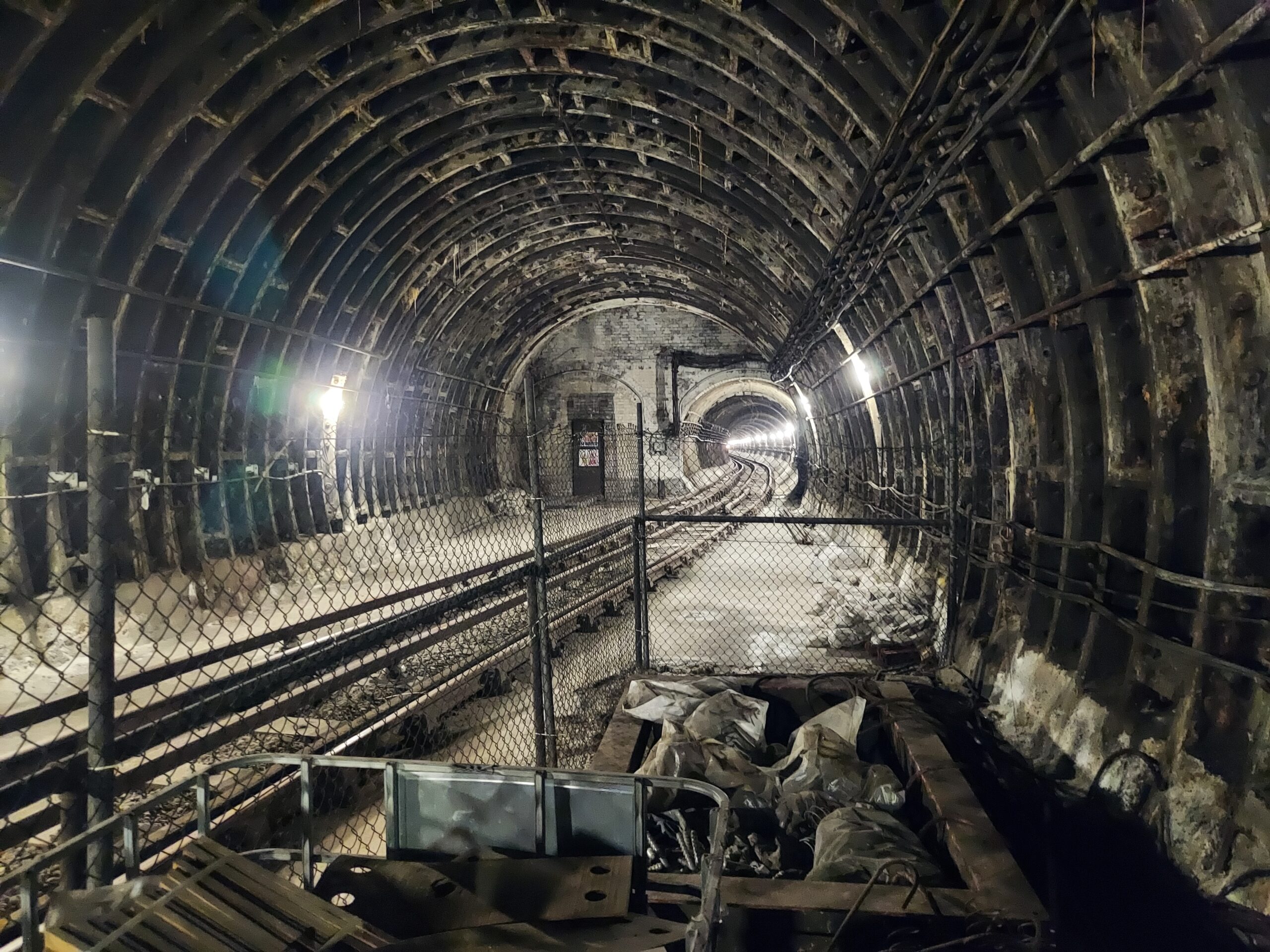
Disused tunnel heading to Aldwych

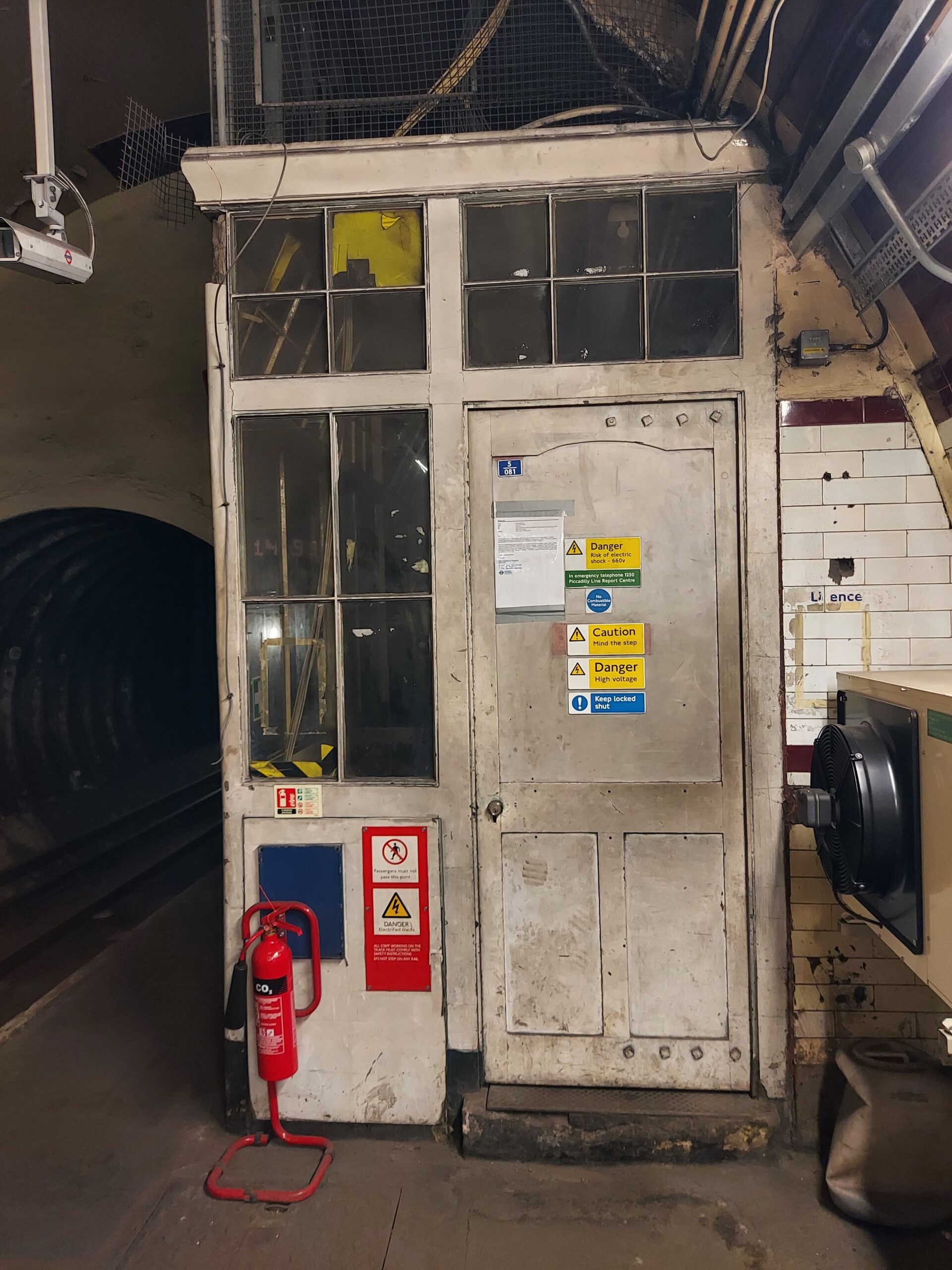
We also got to see some of the disused tunnels and platforms. I was surprised to learn that filming has taken place here – including one of the Superman movies starring Christopher Reeve, and Aqua’s video for ‘Turn Back Time’. One of the old platforms is home to an early 20th-century signalling cabin.
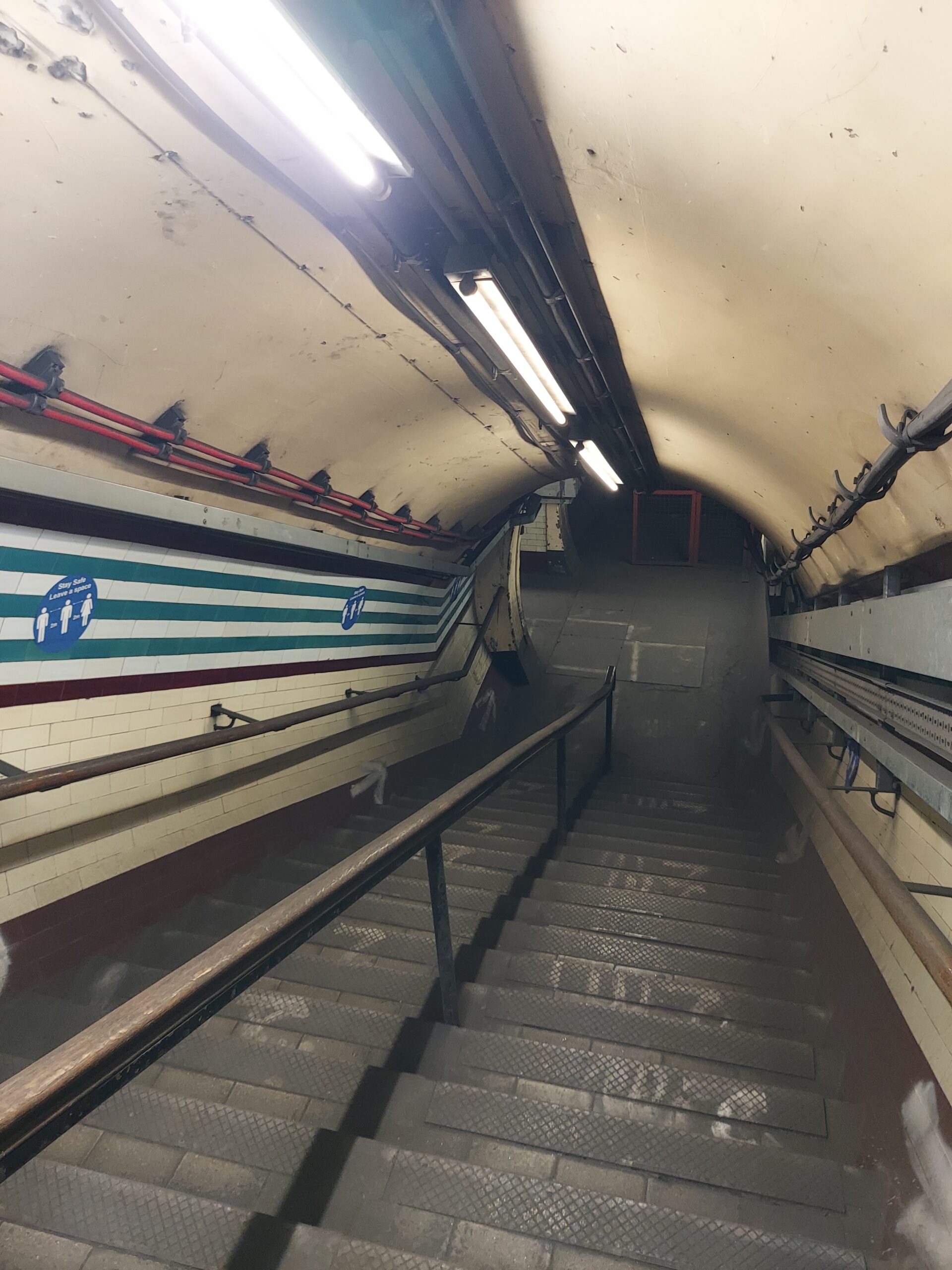
Disused Holborn staircase
Disused staircase
Early 20th-century signalling cabin
Holborn (Kingsway) sign on one of the disused platforms

I know I say this every time, but the Holborn tour was one of my favourites so far! I would definitely recommend it for any Tube fans.
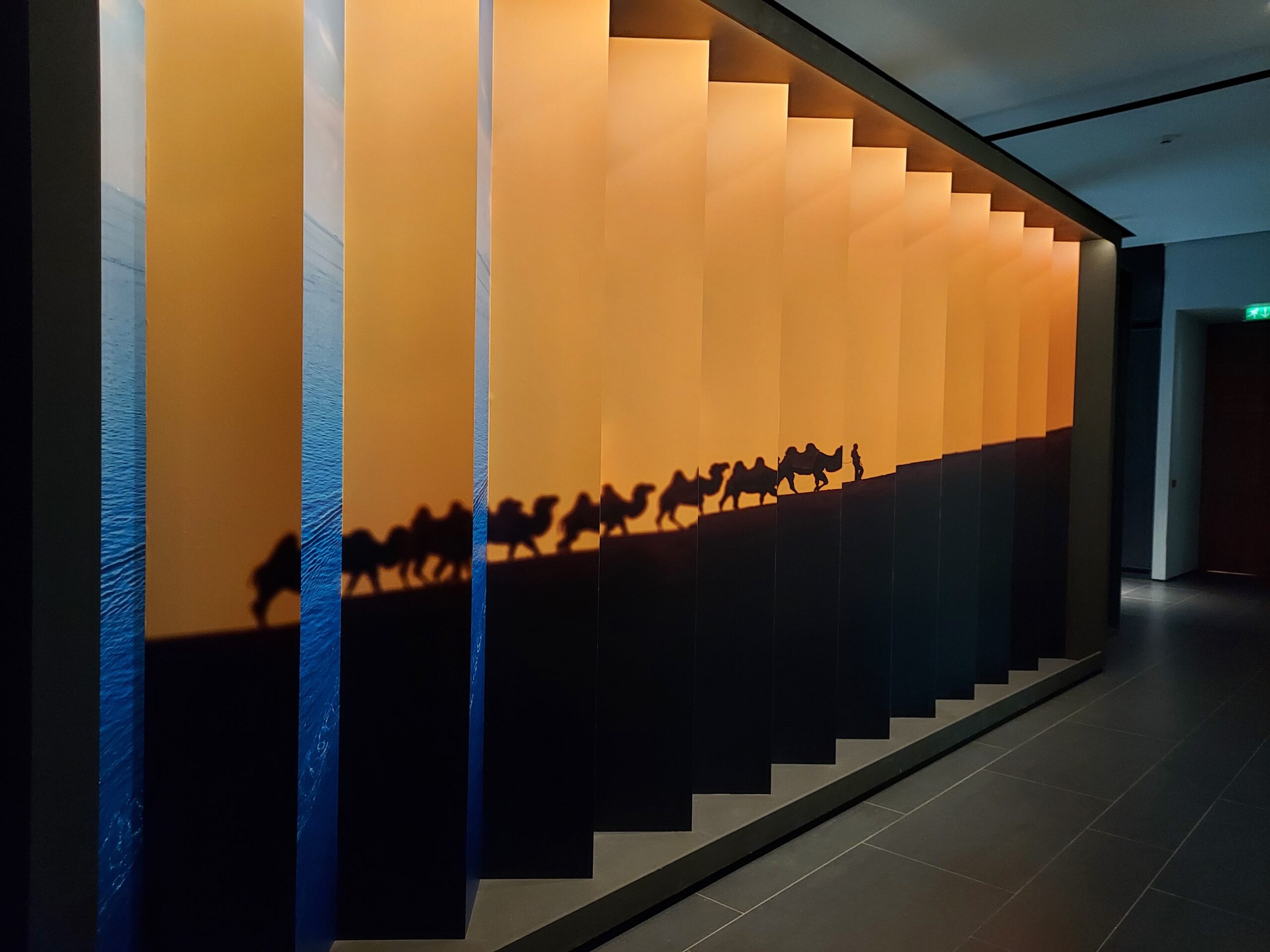
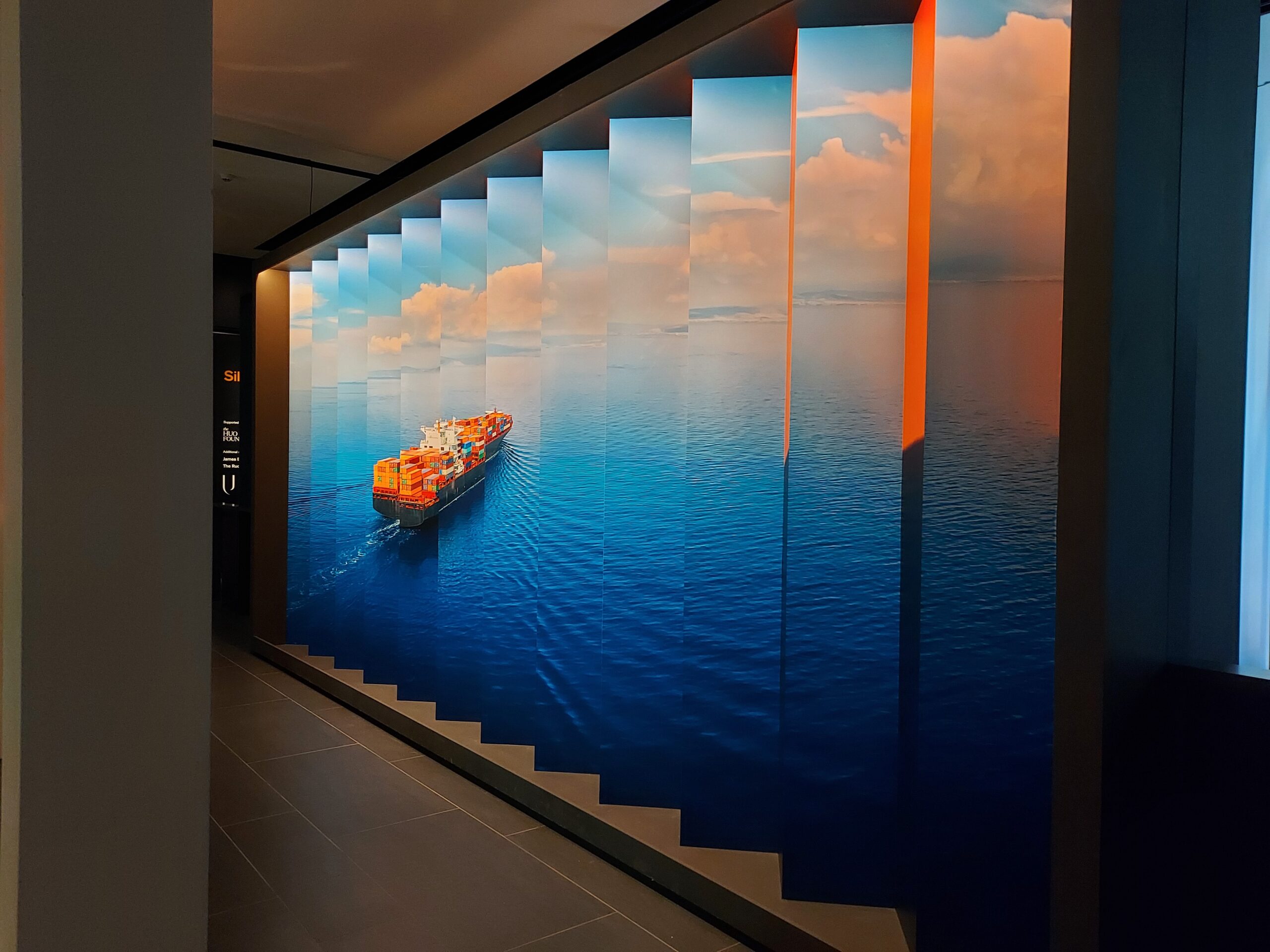
Silk Roads – British Museum

Following on from the British Library’s exhibition about Dunhuang, I went along to the Silk Roads exhibition at the British Museum. This was another fascinating exhibition, this time covering the length of the network that encompassed Europe and Asia.

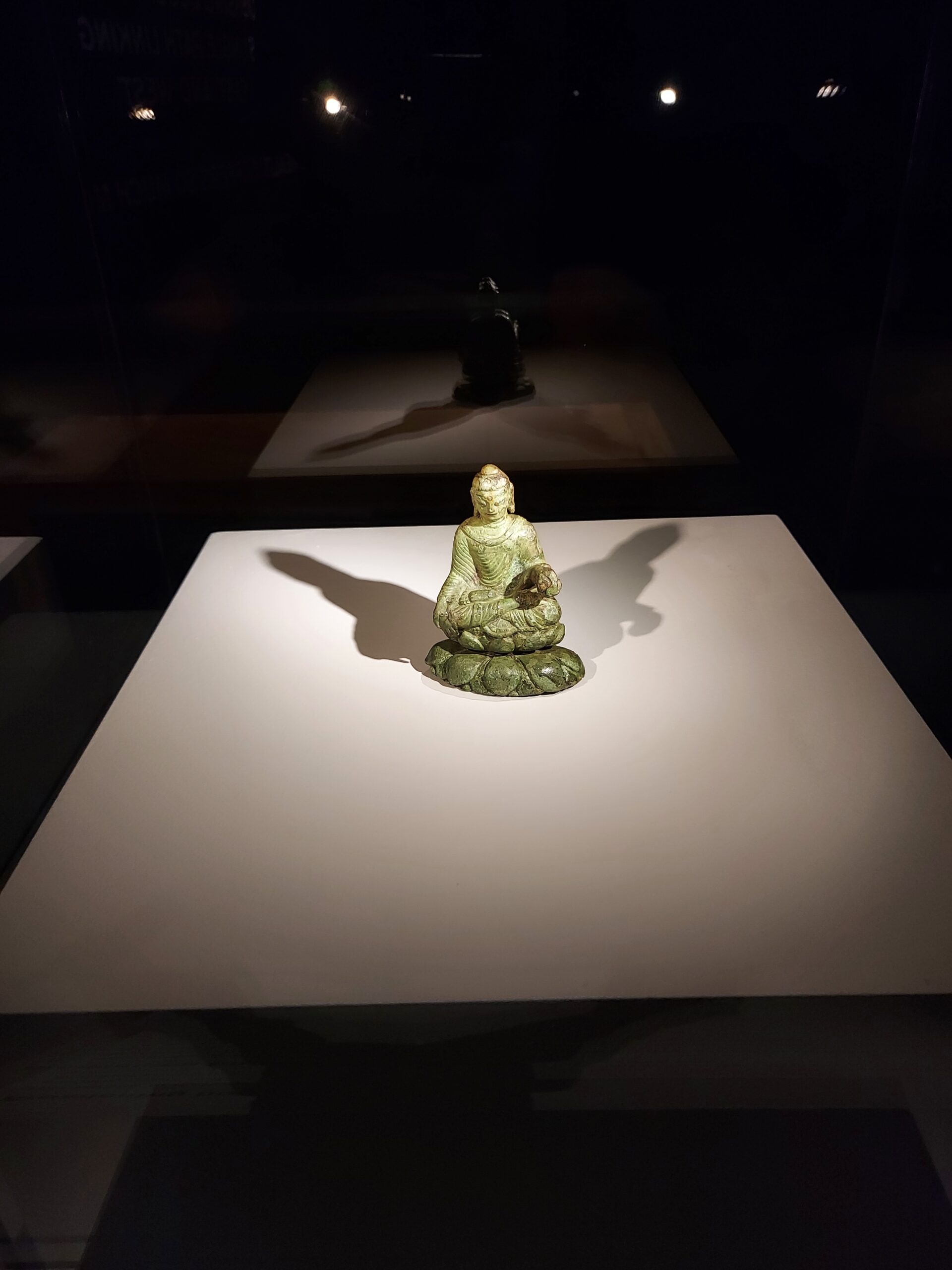
Silk was just one of the items traded. A key item displayed was a Buddha statue made between the 500s and the mid-600s, probably in the Swat Valley, Pakistan, but found on the Swedish island of Helgö – demonstrating just how far this network spread.

Buddha statue

The exhibition explores the route from east to west, beginning in Nara Japan in the seventh century AD when rulers began to send envoys to Sui-Tang China. Trade took place in both directions throughout Asia: for instance, Buddhism arrived in Japan from western Asia, and burials revealed a taste for expensive imported goods. In Tang China, the capital Chang’an had a population of one million, at the time the largest city in the world. Envoys from as far away as the Mediterranean arrived here. A shipwreck near Belitung Island, Indonesia, in the early AD 800s found over 60,000 items, mostly Chinese ceramics.

Dunhuang and other oasis cities along the desert routes, including two branches around the Tarim Basin, are explored. The exhibition features Samarkand and Uzbekistan, exploring the spread of Islam alongside the tolerance of other religions. There was a notable transmission of knowledge at this time, especially to and from Baghdad, the capital of the Abbasid caliphate, between AD 749 and 1258. Many imported goods were found in the former capital, Samarra.

Later in the exhibition, the Byzantine empire, Aachen, Spain and Sutton Hoo are all referenced. UK burials often contained items from Syria, further examples of the international trade taking place at this time.

The exhibition was fascinating and wide-ranging, and definitely worth seeing, even – and perhaps especially – if you’ve already seen the British Library’s version.

Endurance

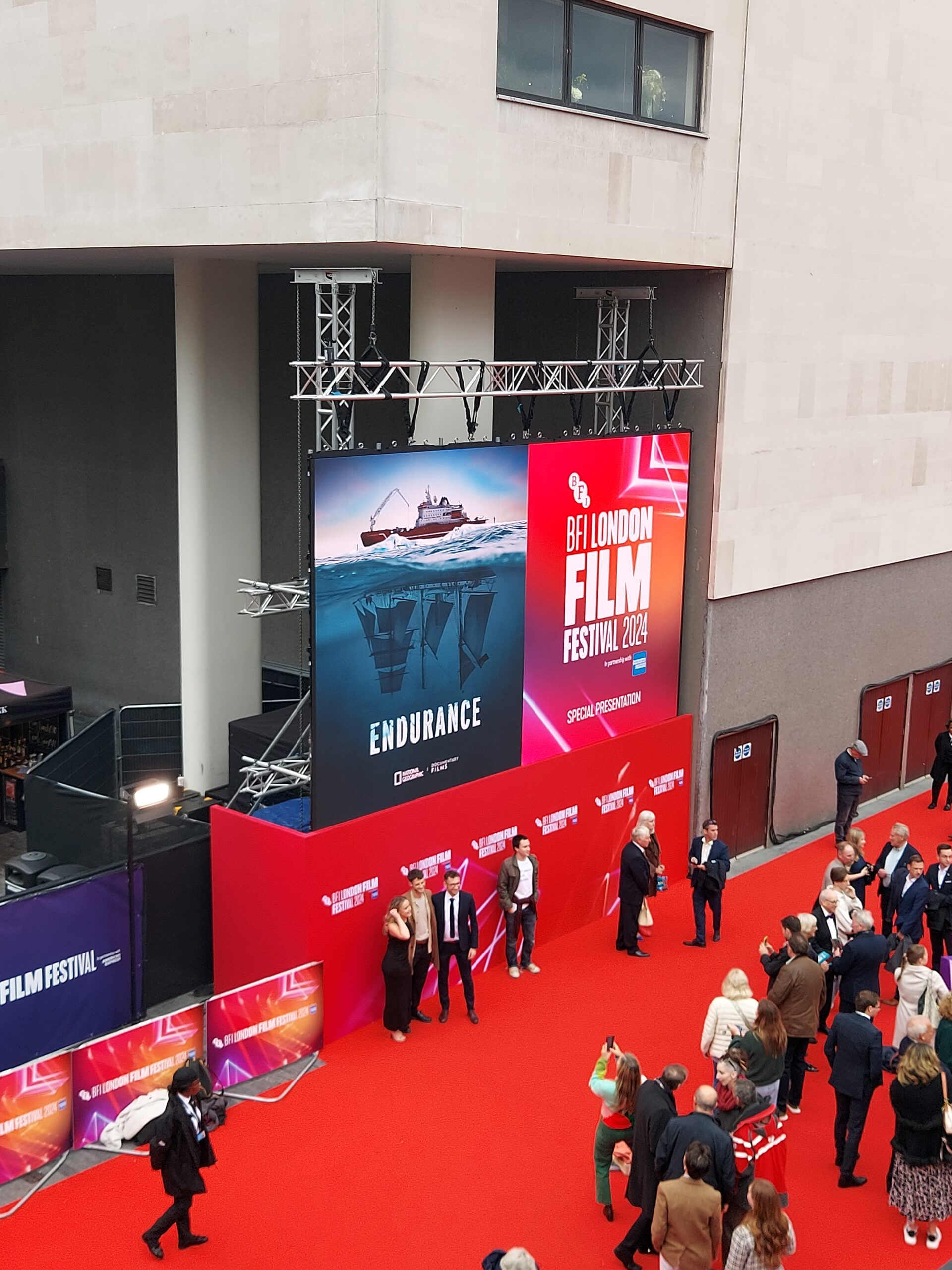
Poster for Endurance documentary outside the Southbank Centre

I attended the premiere screening of the new Endurance documentary on Saturday, as part of the BFI London Film Festival. Directed by Elizabeth Chai Vasarhelyi, Jimmy Chin and Natalie Hewit for National Geographic, the film tells the story of the hunt for Shackleton’s lost ship Endurance in the icy Weddell Sea. Interspersed with footage of the 2022 search is filmed footage, photographs and re-enactments of the original Imperial Transantarctic Expedition, that failed to achieve its objectives but ended up as one of the most glorious tales of survival in history. Once the ship became trapped in ice and crushed, Shackleton got his crew to dry land and along with five other men embarked on an incredibly dangerous voyage – in one of the lifeboats – to South Georgia in order to alert the whalers to their plight. Not a man was lost.

The film footage has been colourised, which really brings it to life on the big screen. The words of the members of the expedition, as recorded in their diaries, are read out loud, their voices recreated by AI. The effect is incredibly powerful.

It’s fascinating to see the sailors and scientists searching for the wreck of the Endurance, in a race against time before the colder season hits. Even knowing the outcome of their hunt, it’s still nerve-wracking to watch them wait, and heartwarming to see their excitement once all their hard work pays off. The film ends with stupendous underwater images and scans of the surprisingly complete wreck, which are worth the ticket price alone.

Lost Victorian City: A London Disappeared – London Archives

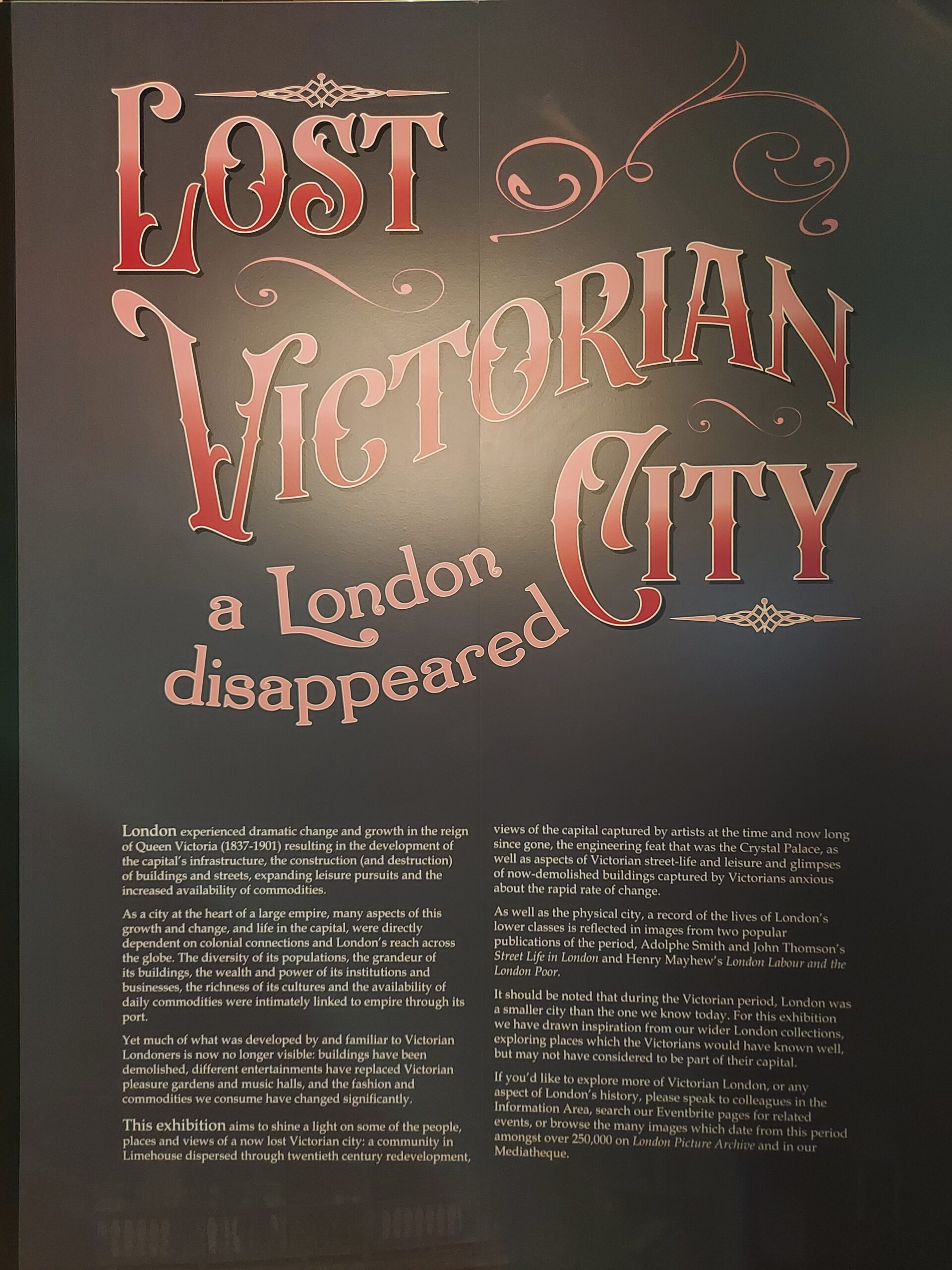
Exhibition introduction

I headed to the London Archives (formerly the London Metropolitan Archives) on Saturday to see their latest exhibition, Lost Victorian City: A London Disappeared. The exhibition consists of photographs and other resources documenting a London that no longer exists, from the Crystal Palace to Limehouse, obsolete forms of transport to vanished pubs.

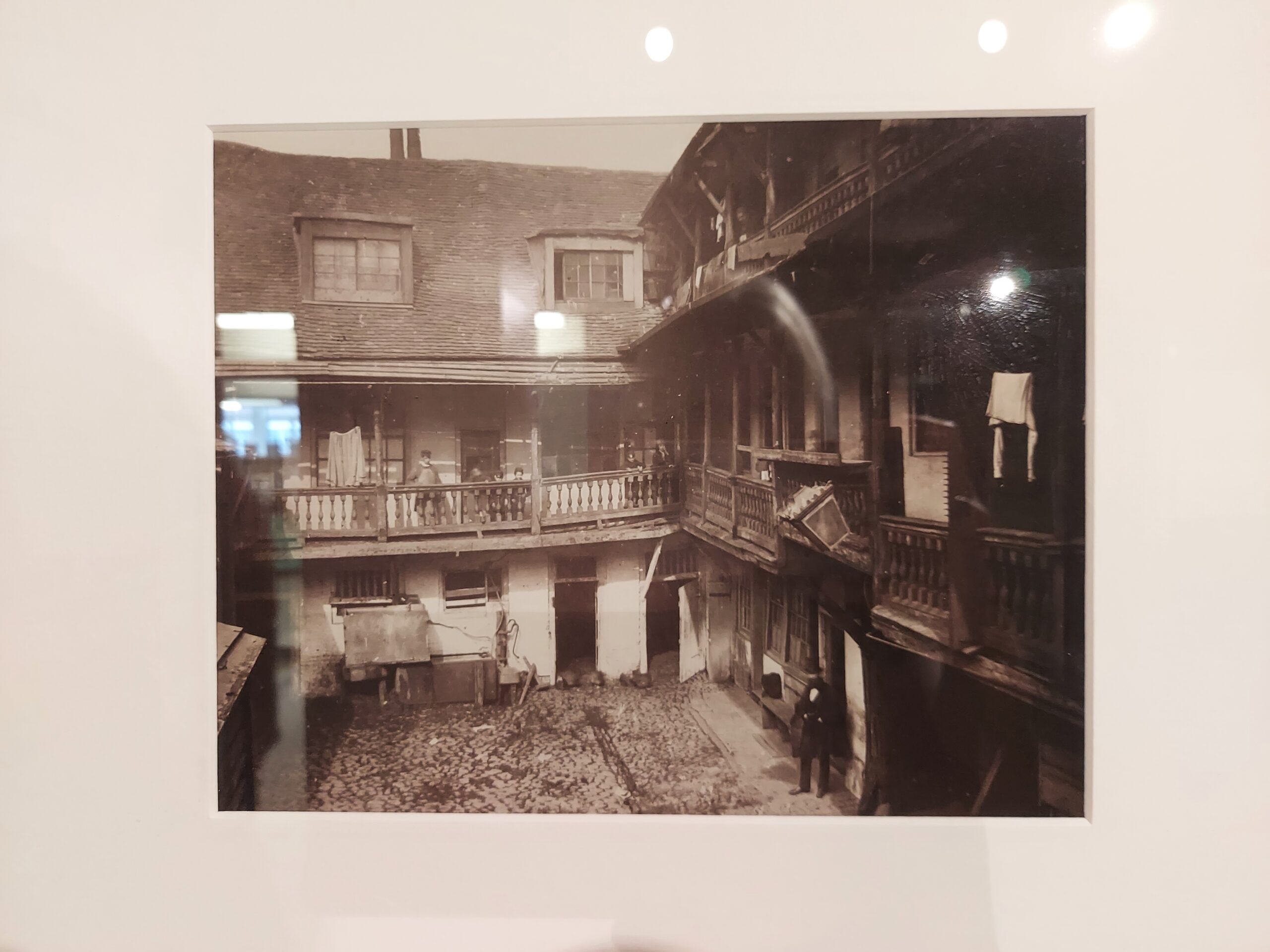
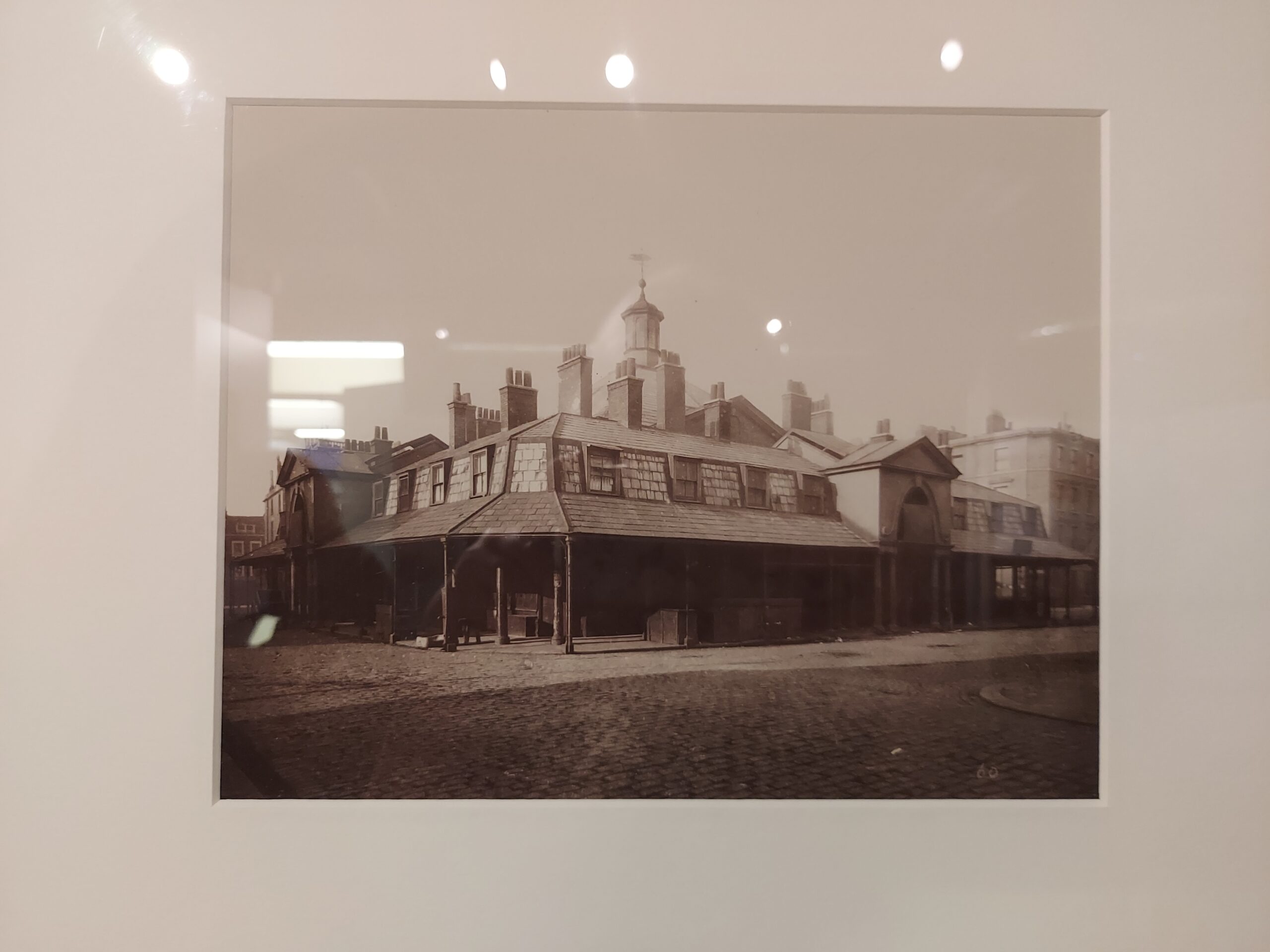
My favourites were the pictures taken by the Society for Photographing Relics of Old London, including the Oxford Arms, a galleried inn on Warwick Lane – near what is now the Old Bailey – and Oxford Market on a very different-looking Oxford Street. This prescient group wanted to capture a rapidly vanishing world, and succeeded admirably.

A galleried inn in the nineteenth century
The Oxford Arms, Warwick Lane
A low building in the nineteenth century
Oxford Market, Oxford Street

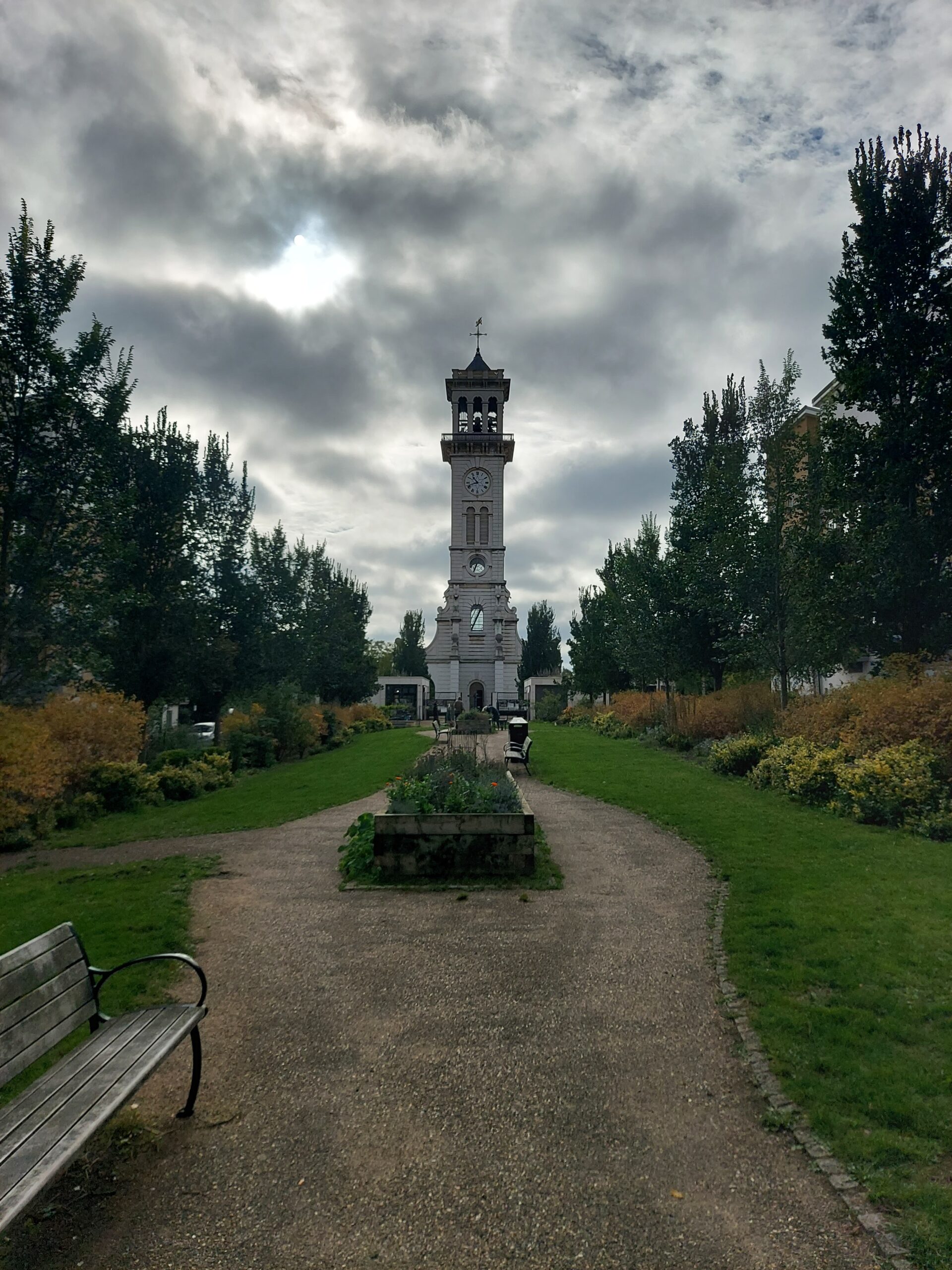
Caledonian Market Clock Tower

Caledonian Park Clock Tower

When I completed my kickboxing course recently, I kept walking past Caledonian Market Clock Tower, and wanting to know more about its history. I got my wish when I saw that guided tours were taking place allowing people to climb to the top of the tower and learn more about it at the same time.

The tower used to be the centrepiece of the Metropolitan Cattle Market (later Caledonian Market), just off the Caledonian Road in the parish of Islington (now the London Borough of Islington). It was built by James Bunstone Bunning, architect of the City of London Corporation, and was opened in June 1855 by Prince Albert. The market was opened in response to the difficulties of taking live cattle to crowded Smithfield in the City. It covered 30 acres, and was built on the site of the former Copenhagen House, the Ambassador of Denmark’s residence in the seventeenth century.

The market played host to cattle from all around the country, including Scotland, Yorkshire, East Anglia, Wales and the Cotswolds. Sheep, cows, pigs and horses were all sold here. The conditions were much improved from Smithfield: there was more space, animals were better treated, and there was access to water. At each corner of the market, large pubs (some of which still remain) provided accommodation, entertainment and relaxation for traders and visitors.

The clock face seen from the inside

The advent of refrigeration in the early twentieth century removed the need for livestock to be brought to London for slaughter. The market became a well-known bric-a-brac market, and was famous for the variety of goods sold. After World War II, the market transferred to Bermondsey, but it is still known by its old name of the Caledonian Market.

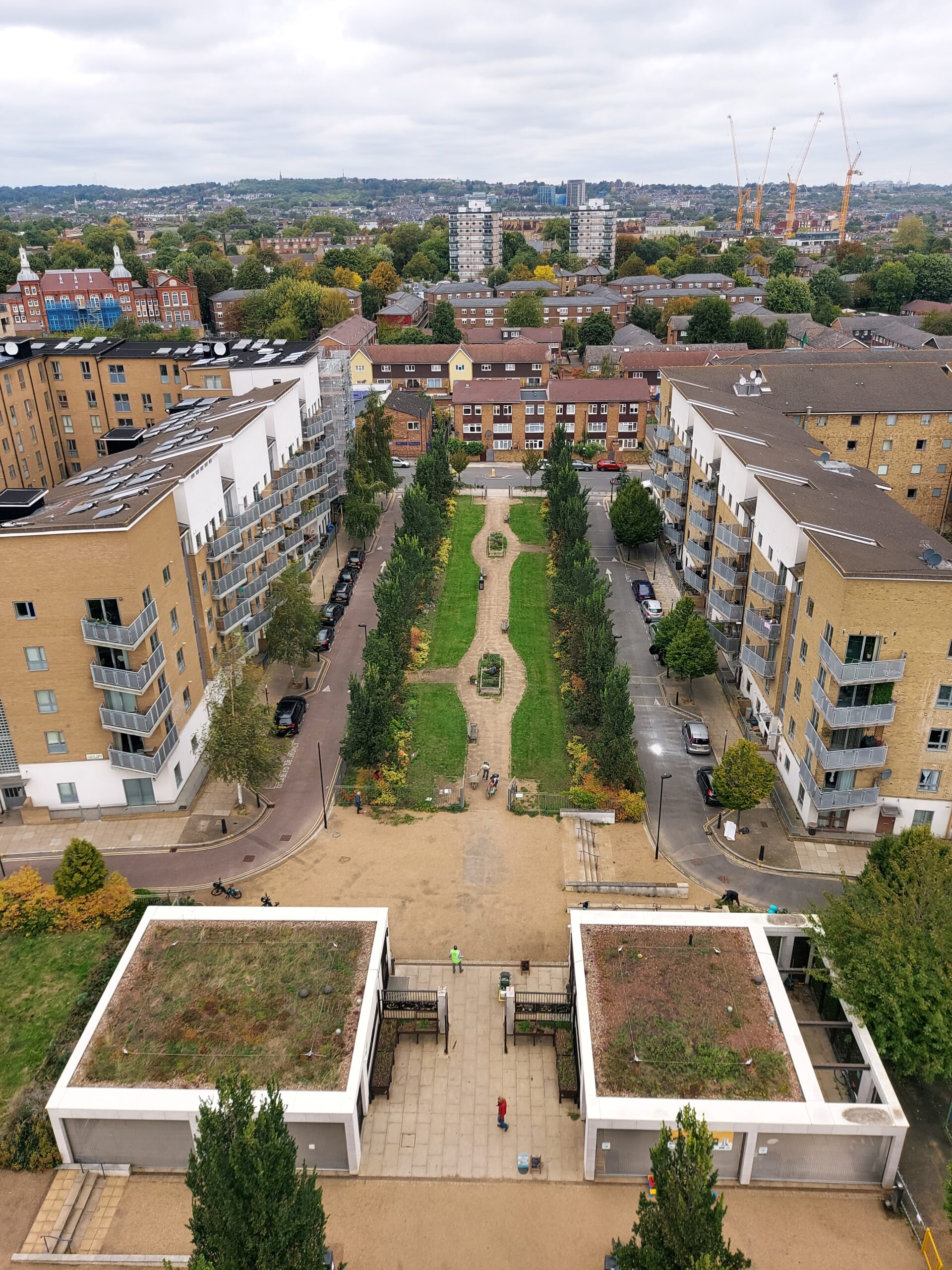
The market here in Islington finally closed in 1963. The area was converted to housing and to Caledonian Park. The clock tower still stands as the magnificent centrepiece of the Park, and is Grade II* listed. It was restored between 2016 and 2019.

Our tour took us up one floor at a time of this fascinating structure. Overall, we climbed quite a lot of steps, but it wasn’t so bad as we only did a small number at a time. Some of the narrower staircases were particularly tricky, but handholds and ropes have been added to help. Most of my party managed to get up OK.

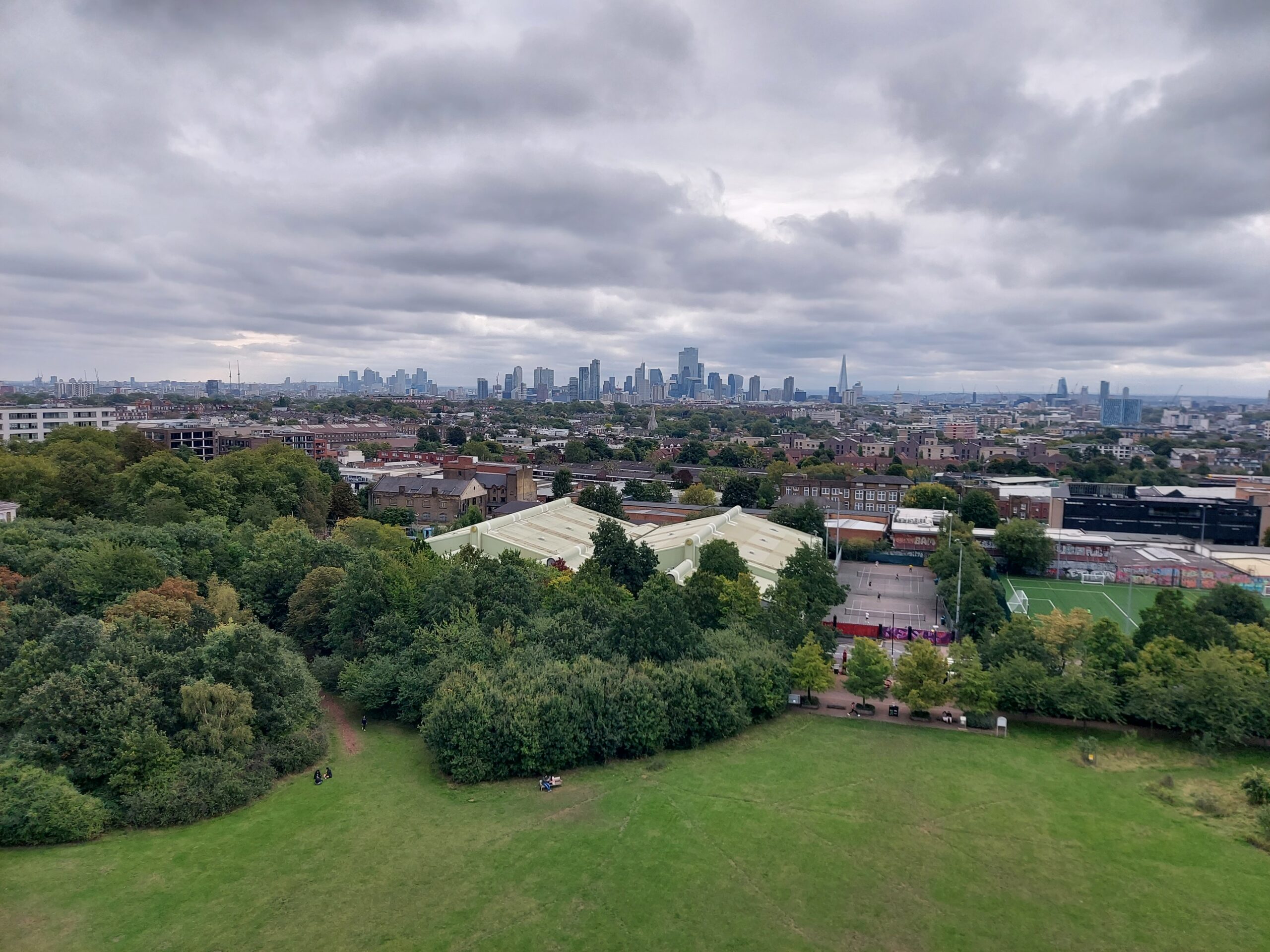
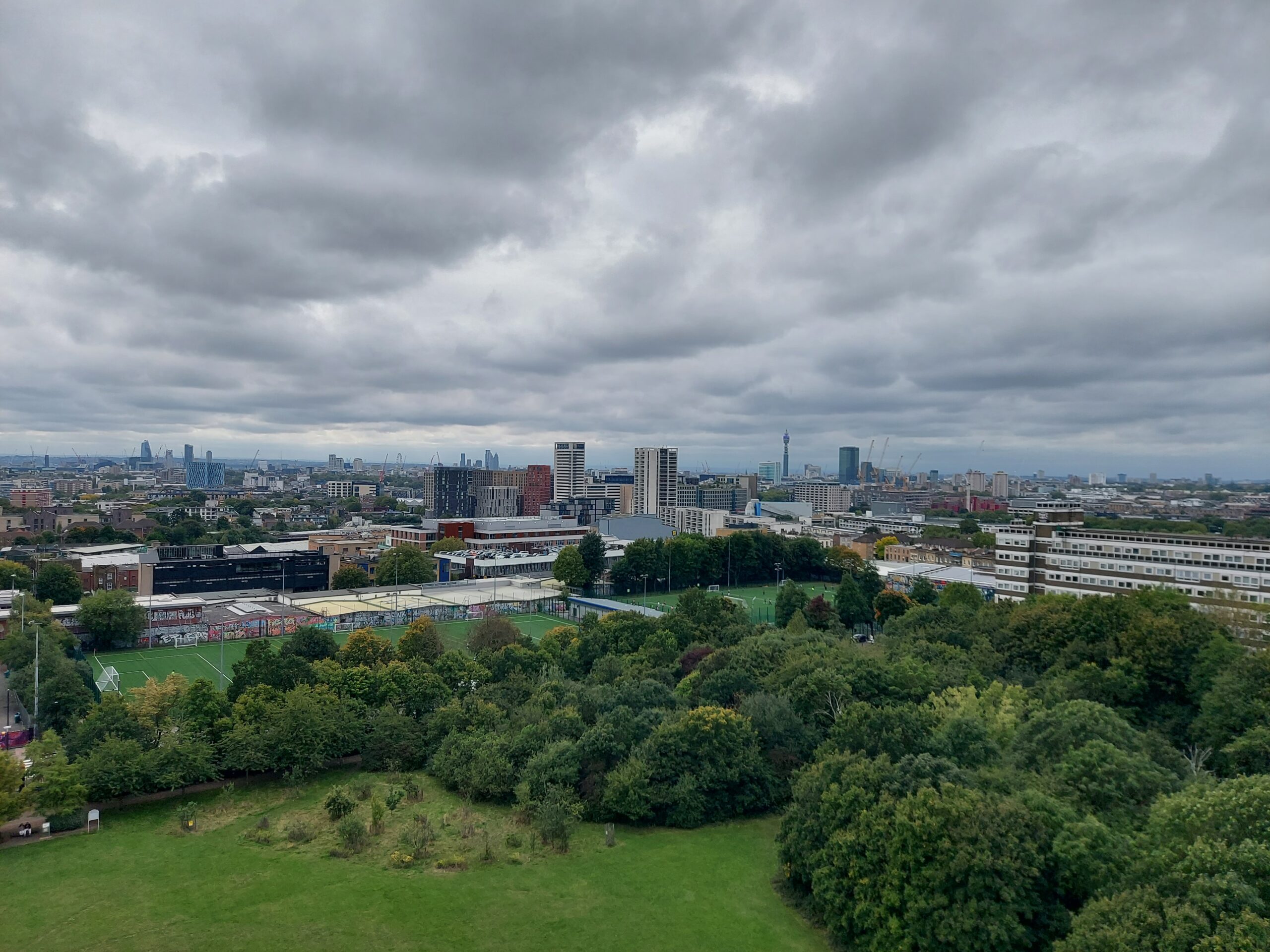
We got to see the workings of the magnificent pendulum clock, and, most excitingly, wonderful views over London. In the north, we could see Alexandra Palace; to the east, the Olympic Park; and to the south, the high-rise buildings of the City and Canary Wharf.

If you have a reasonable level of fitness and are able to manage steep steps, I would definitely recommend booking yourself on a tour. They are run by Islington Guided Walks and can be booked via Eventbrite.

Looking north
Looking north
Looking south towards the City
Looking south east towards the City
South west towards central London

Wimbledon Windmill

Wimbledon Windmill

I visited Wimbledon Windmill when I came across it as part of my Capital Ring walk. It’s somewhere I’ve planned to go for a while, so I was glad to get the chance.

History

The windmill dates from a time when Wimbledon was much more rural than it is now. In the eighteenth century, many water and steam powered corn mills already existed in Wandsworth, a large number of which were owned by John Watney, who applied to the Manor Court in 1799 for permission to erect a windmill on Wimbledon Common. However, Watney died soon after, and a new application was not made until 1816. In 1817 Charles March, a Roehampton carpenter, was granted a 99-year lease at an annual rent of two shillings ‘upon this special condition that he shall erect and keep up a public Corn Mill for the advantage and convenience of the neighbourhood’.

Inside the windmill

The mill was built as a hollow-post mill, a type common in Holland but unusual in Britain. One did exist in Southwark, so March may have copied this design. One storey was of brick with a second storey constructed of wood. Above, a conical tower held the post supporting the cap on which the sails were mounted. The post was hollow in order to allow an iron shaft to be taken down inside it to turn the millstones on the floor below.

In 1864, the Lord of the Manor, the 5th Earl Spencer, announced that he intended to enclose Wimbledon Common and build a new manor house on the site of the mill. Locals strongly opposed the plan, and a six-year legal battle ensued, resulting in the Wimbledon and Putney Commons Act of 1871 which handed over the commons – plus the burden of maintenance and an annuity to be paid to the Spencer family – to the local community. The Marsh family, who operated the mill, were persuaded to sell, but removed the stones and most of the machinery so that the mill could not be run in competition with their other mills, located in Kingston.

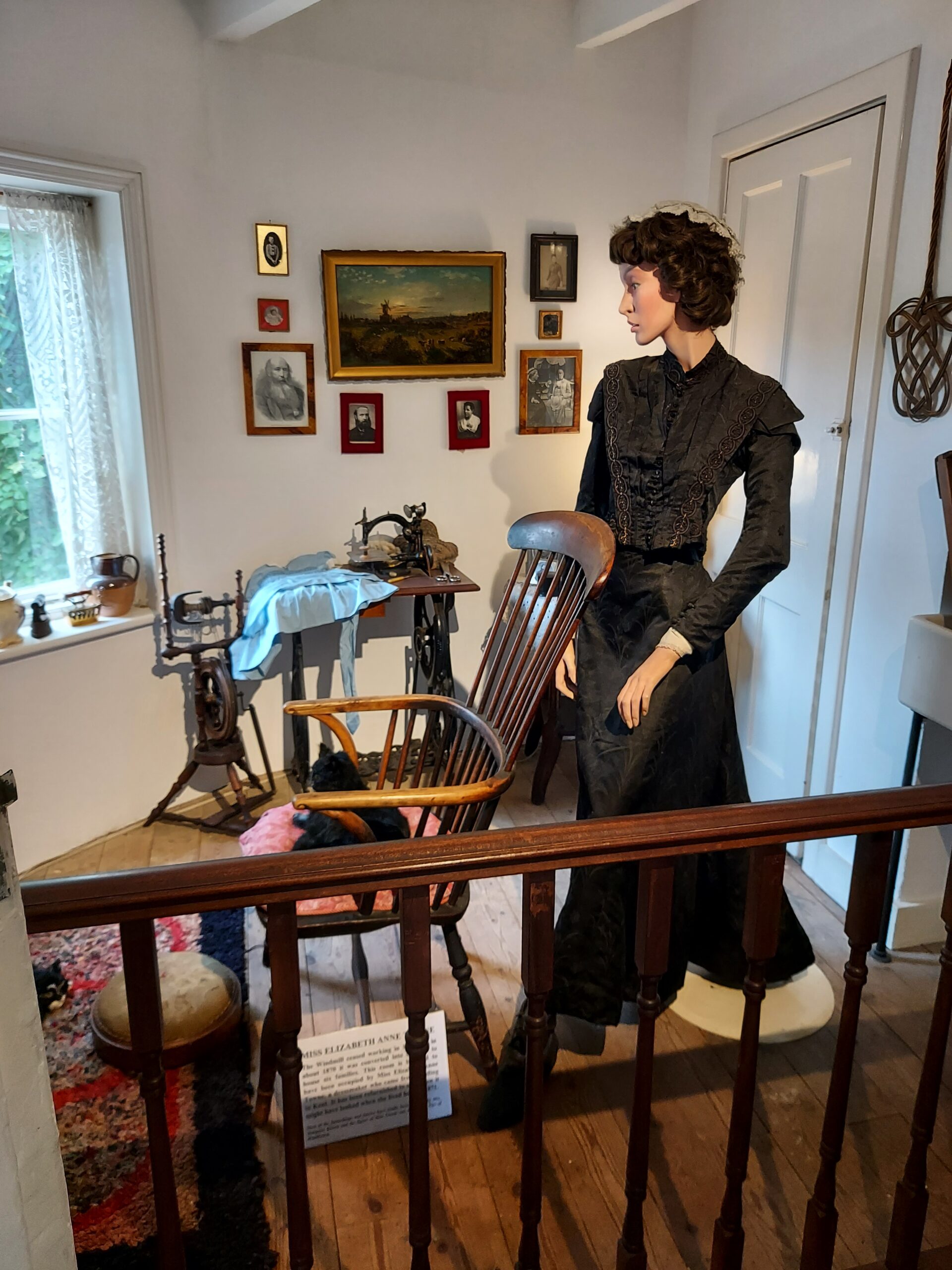
Reconstruction of a Victorian living room

​The mill was subsequently converted into accommodation for six families. The wooden first floor was rebuilt in brick, and fireplaces and chimneys were added. A major restoration took place in 1893, and the mill continued to be used as accommodation – eventually for the Commons Rangers – until the 1970s.

The museum first opened in 1976, and extended to cover both floors in 1999 thanks to a Heritage Lottery Grant. The exhibits cover windmills and milling as well as local history and the Scouting movement (Robert Baden-Powell lived, and wrote the Scouting handbook, nearby).

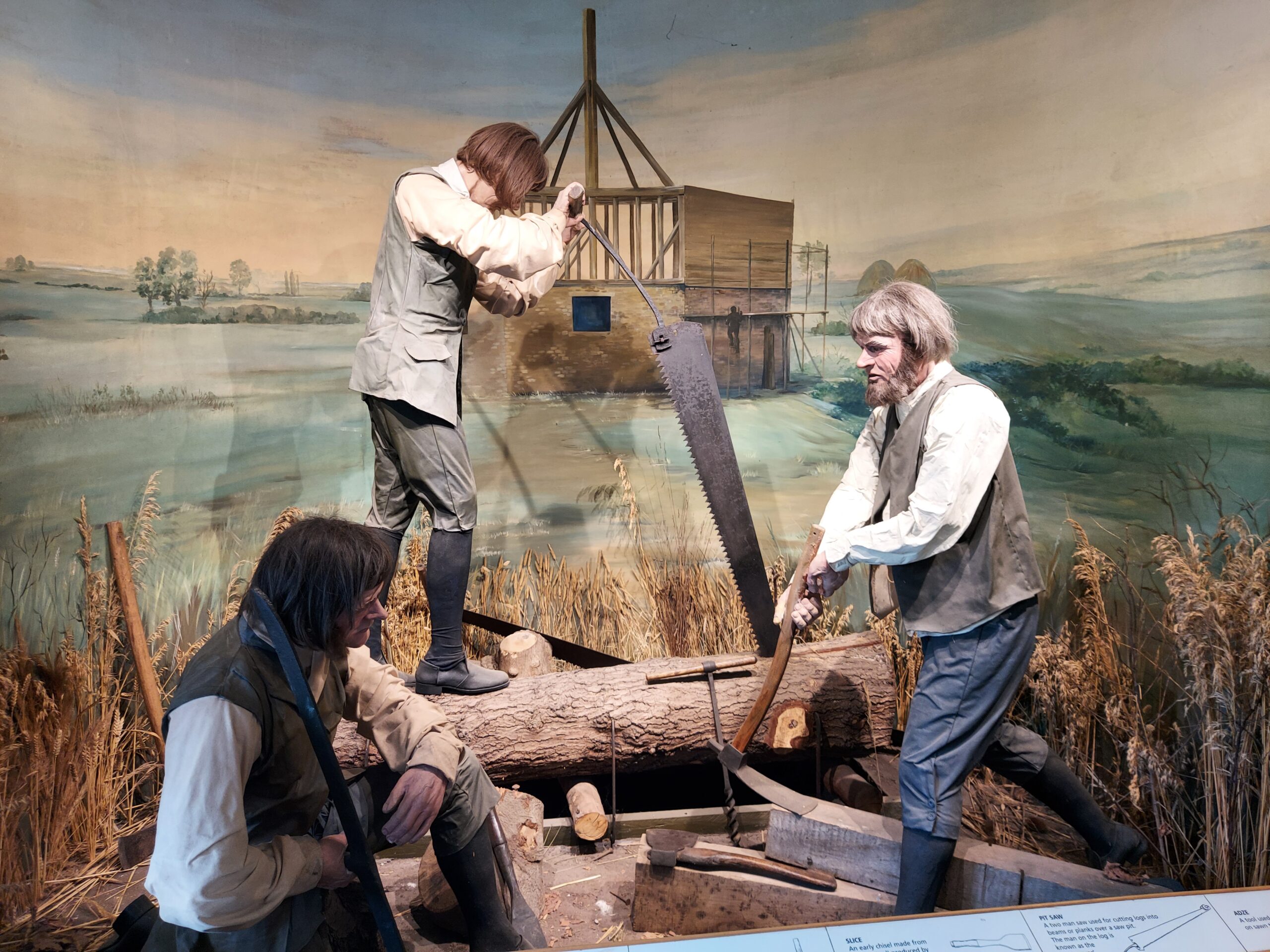
Reenactment of farm labourers working with tools

The Museum

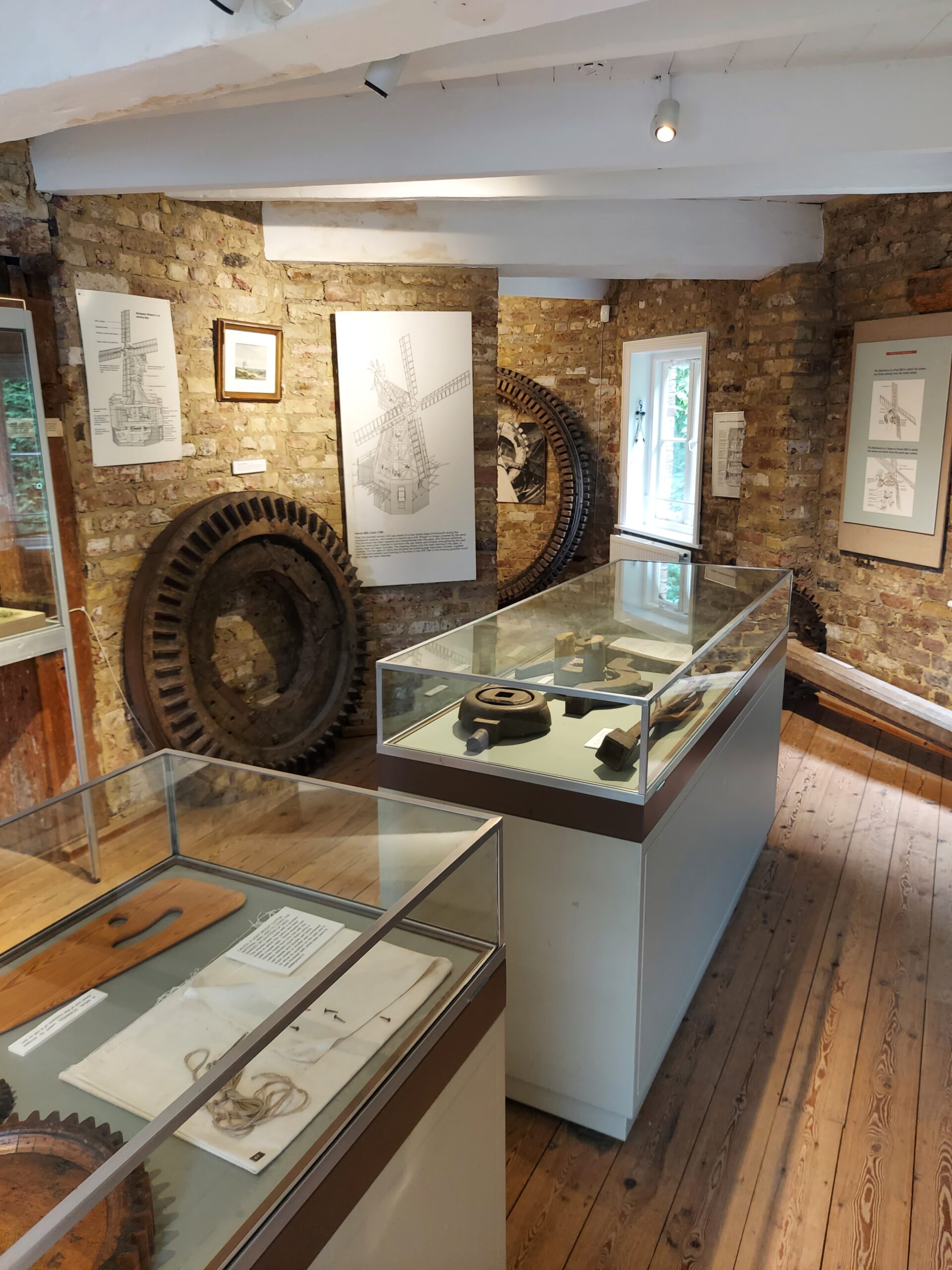
The museum is small, but there is a lot to see. On entering, there is a scene showing the construction of the windmill using timbers hand-sawn from local trees. On the ground floor there is also an impressive collection of tools from a Norfolk millwright. A film about the development of mills in England can be seen, and there is a reproduction of the Great Spur Wheel. Finally, numerous models of windmills are on display, detailed reproductions of existing windmills that show how design has changed over time.

Miniature windmill models

Upstairs, examples of grains are provided as well as explanations of how these were turned into flour by hand in the days before mills. There are several examples of mill machinery, and one room is laid out as it would have been in the nineteenth century, when the mill was used as accommodation.

The windmill is a quaint, interesting attraction in Wimbledon that is well worth a visit. I’m glad I finally got to go.

FACTS

Address: Windmill Road, Wimbledon Common, London, SW19 5NR

Website: wimbledonwindmill.org.uk

Opening Hours: Weekends and Bank Holidays from March to October – see website for times

Price: Free

Ranjit Singh: Sikh, Warrior, King – The Wallace Collection

Entrance to the exhibition

I attended the exhibition Ranjit Singh: Sikh, Warrior, King taking place at the Wallace Collection. The exhibition looks at the great Sikh leader Ranjit Singh (1780–1839), who conquered the Punjab after decades of unrest prompted by Afghan invasions. His Sikh Empire remained unconquered by the British or anyone else until after his death.

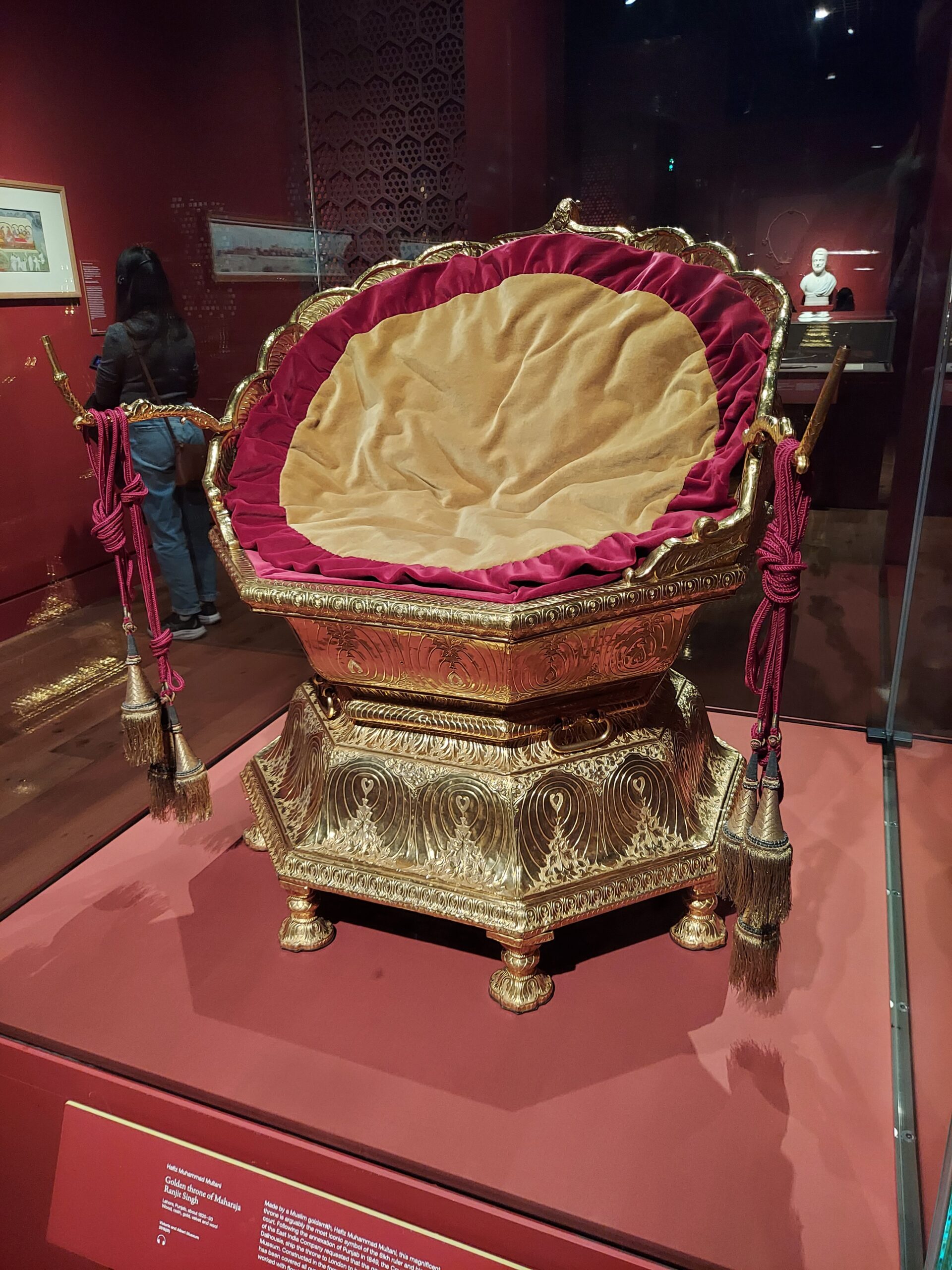
Ranjit Singh’s leadership resulted in a golden age, with thriving trade, arts and an army created to protect his land from invaders. The exhibition features jewellery, weapons and artwork from the Sikh Empire, taken from several public and private collections. It also looks at the immediate aftermath of his death, with the disintegration of his empire and the exile, in Britain, of his most famous wife and his son and heir.

The exhibition is well worth seeing and I’m glad I got the chance to learn about this intriguing man and this fascinating period of history.

Ranjit Singh's throne

A Silk Road Oasis: Life in Ancient Dunhuang – British Library

Entrance to the exhibition

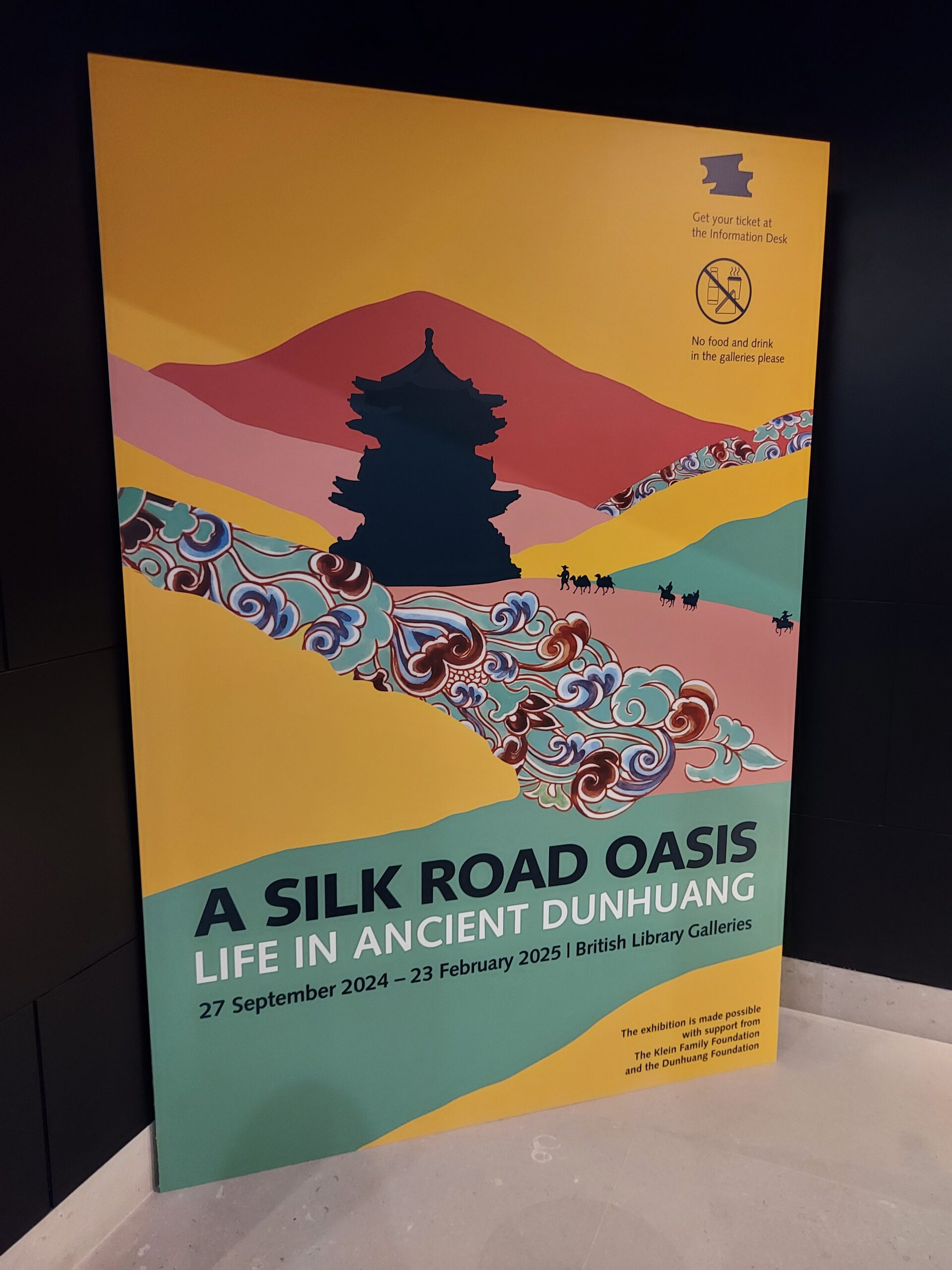
I went along to the British Library‘s new exhibition, A Silk Road Oasis: Life in Ancient Dunhuang, which I found fascinating. The exhibition looks at life in one particular settlement during the first millennium, largely based on artefacts discovered in the Mogao Caves.

Archeological research shows that Dunhuang, a Chinese city, was an important settlement on the edge of the Gobi Desert. As a frontier garrison on the Silk Road, it was fortified with defensive walls and watchtowers (the Dunhuang Limes) and was a prime example of multiculturalism: a multilingual stele from 1348 displays a Buddhist mantra in six different scripts – Sanskrit, Tibetan, Old Uyghur, Phags-pa, Tangut and Chinese.

We explore the history of this settlement via the stories of individuals who played a part in shaping Dunhuang society. For instance, ‘The Merchant’ discusses how Sogdians – an Iranian people with settlements approaching China – helped to form a network of agents and messengers spreading news such as impending attacks by the Huns. We see a letter written by Miwnay, an abandoned wife with a young child forced to serve a wealthy Chinese family while she tries to find out what has become of her husband (could he have been killed on the Silk Road?).

In ‘The Printer’, ‘The Scribe’ and ‘The Artist’ we learn how printing technology (developed in China in the seventh century) was used to print religious and other texts in Dunhuang, while scribes created manuscripts and sutras on behalf of the Tibetan empire who ruled Dunhuang between 786 and 848. A government-supported painting academy, featuring artists from all over the region, emerged in the 10th century, allowing the creation of works on silk, hemp and paper, as well as murals in the Mogao Caves.

Religion played an important part in Dunhuang life. The city was a major hub for Buddhist worship from the fourth century. ‘The Lay Buddhist’ focuses on an anonymous man in his 80s who copied a dozen small booklets of the Diamond Sutra in Chinese, using his own blood as ink. At the other end of the age spectrum, ‘The Buddhist Nun’ shows how Deng Ziyi was granted permission to become a novice nun at the young age of 10, two years before the official age permitted. Becoming a nun allowed women the chance for a role beyond that of daughter, wife and mother; between 800 and 1000 there were more nuns than monks living in Dunhuang.

In ‘The Diplomat’, we are introduced to multilingual envoy Ca Kima-sana, originally from the central Asian kingdom of Khotan, 1,800 km to the west. A wealthy Khotanese community was established in Dunhuang from the 10th century. This exchange of ideas contributed to the transmitting of medical knowledge. ‘The Fortune Teller’ showed how people like Shenzi, the monk and yin and yang master, helped both the ruling elite and ordinary people by advising on the best time and date to start a project or begin a journey. A scroll on display from 649-700 is the oldest complete star chart in existence from any civilisation.

An entire section at the back of the exhibition is devoted to the Mogao Caves. In 1900, a Daoist priest, Wang Yuanlu, discovered a small room (now known as the Library Cave, or Cave 17) containing tens of thousands of manuscripts, paintings and other objects from the fifth to the eleventh centuries. These were eventually brought to the UK by the archaeologist Marc Aurel Stein, while other artefacts were dispersed to France, Japan and Russia, as well as Beijing.

This raises questions about colonialism and who has ownership over these items. The International Dunhuang Project (now Programme) was founded in 1994 in order to provide access to Dunhuang and other collections relating to the Eastern Silk Road worldwide and help to ensure their long-term preservation. I must admit I am grateful to have been able to view these wonderful items.

Inside the exhibition

Hell Époque: Death-Themed Cabarets of 19th Century Paris and Let me be mad! Absinthe Exhibition – Last Tuesday Society

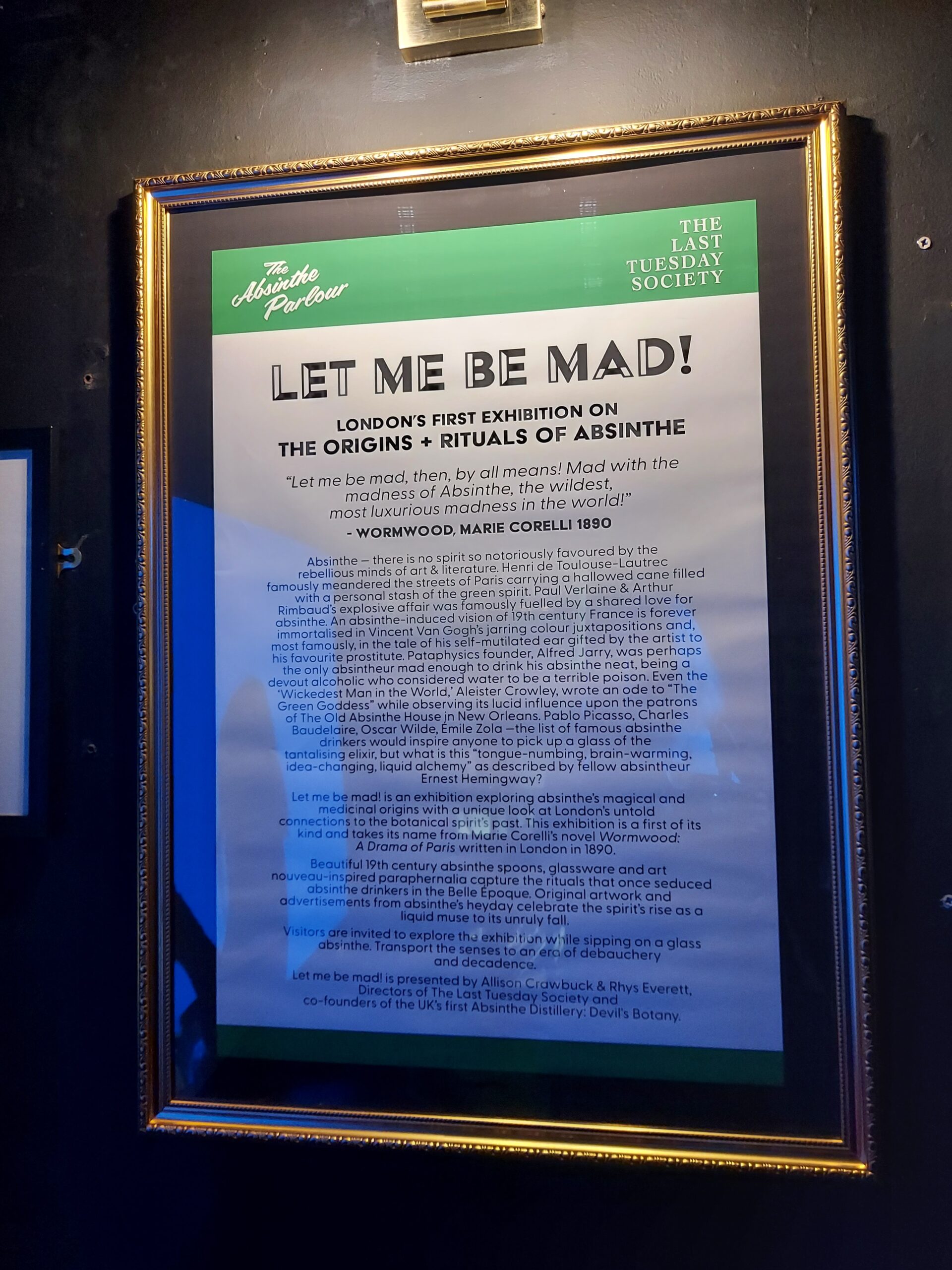
Exhibition poster

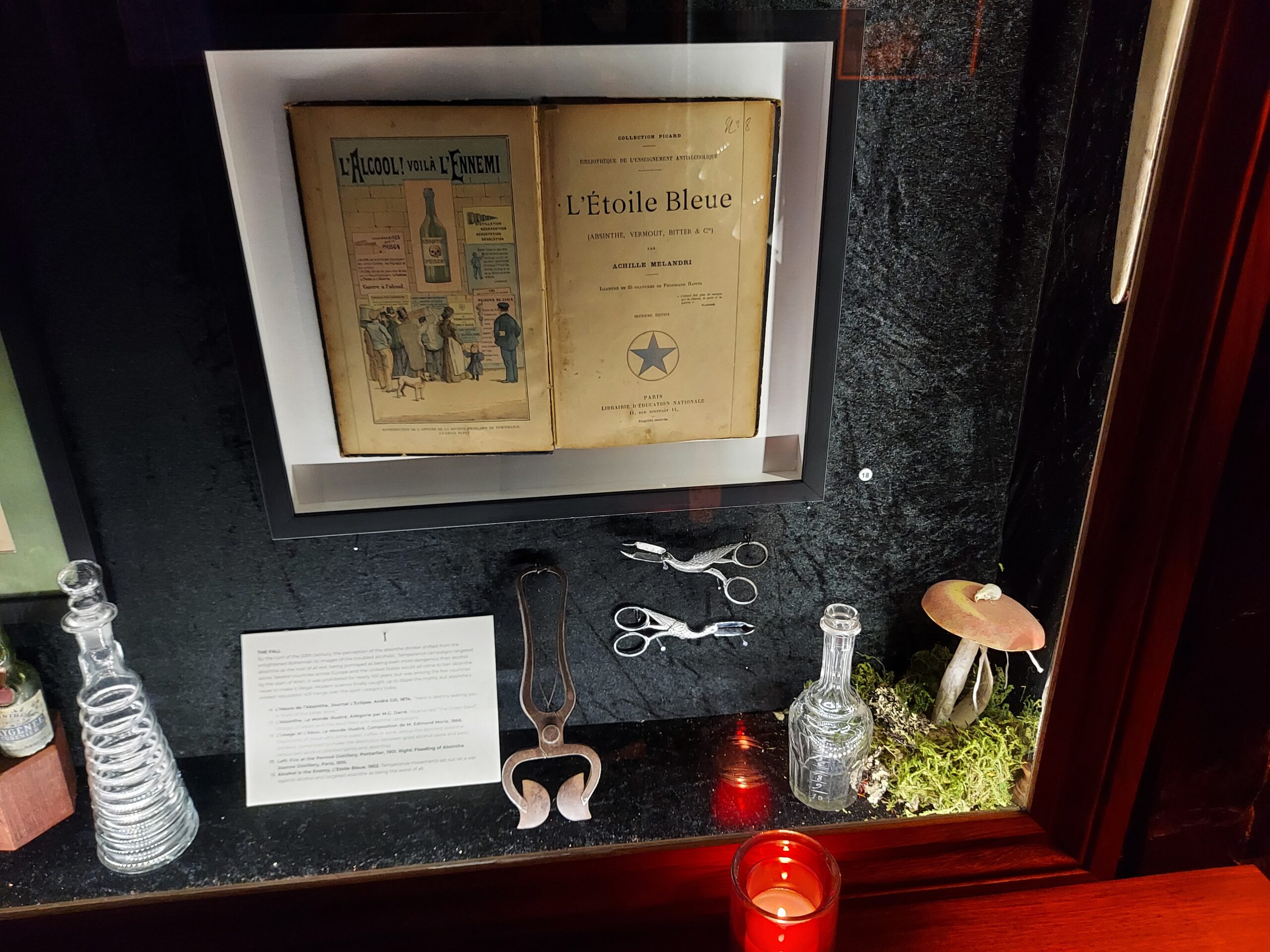
I visited Let me be mad! the Absinthe Exhibition at the Last Tuesday Society in order to learn more about this infamous beverage and see artefacts related to it. The exhibition was quite small, but still worth a visit if you are interested.

At the same time I attended a talk about death-themed cabarets in nineteenth-century Paris. Eugène Atget’s 1898 photograph of Cabaret de L’Enfer’s (Cabaret of Hell) façade at 53 boulevard de Clichy is famous, but it is not the only cabaret to have existed with such a theme. Vadim Kosmos gave a talk about this facet of Parisian nightlife which was fascinating.

Some of the artefacts on display

Shakespeare and War – National Army Museum

Entrance to the exhibition

I popped in to the National Army Museum to check out their exhibition on Shakespeare and War before it closed. The exhibition looks at how Shakespeare’s plays have been used across the centuries to criticise, justify and explore the consequences of war.

The material featured dates from the English Civil War and covers the period up to the current Ukraine conflict. It includes propaganda created by those at the top, including a World War I recruitment poster featuring a line from Macbeth, and more personal reflections by soldiers who looked to Shakespeare’s plays to find meaning in times of conflict. Recent productions of plays featuring war have taken their soldierly background seriously, such as a Royal Shakespeare Company production of Othello that explored the idea that the general was suffering from PTSD. The exhibition was interesting and covered a topic I wasn’t all that familiar with.