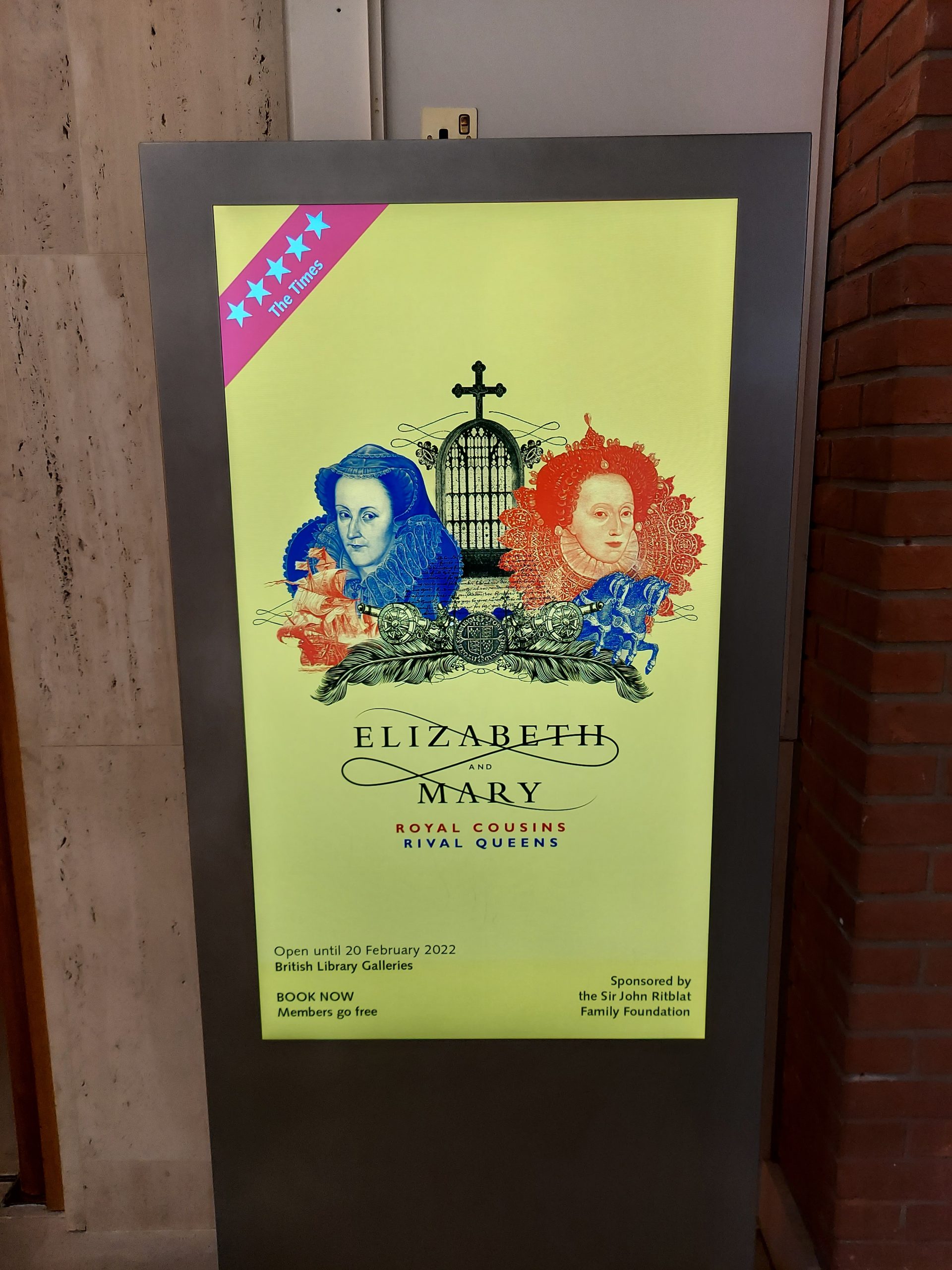
I have a soft spot for Tudor history, as I spent two years studying it at A Level. It was inevitable, therefore, that I was going to want to see the British Library exhibition, Elizabeth and Mary: Royal Cousins, Rival Queens. I went along on its last weekend, with two friends from sixth form who studied alongside me – it was a real nostalgia trip for us all.
The exhibition looked at Elizabeth and Mary together, as relations in similar positions of power, unusual in being women rulers. They were both descended from Henry VII and Elizabeth of York: their shared heritage made them first cousins once removed – it also made them both claimants to the English throne, and potential rivals. Elizabeth was brought up in England, her status varying widely during her childhood and early adulthood thanks to the whims of her father, Henry VIII, and her siblings, Edward VII and Mary I. Mary, Queen of Scots was brought up in the French court and married to Francis II, but he died young and she returned to Scotland. Initially, she pursued a policy of “sisterly” relations with Elizabeth, and hoped to be officially recognised as her heir.
While Elizabeth never married, Mary married her cousin, Henry Stuart, Lord Darnley, in 1565. This marriage led to the birth of the future James VI (James I of England, and Elizabeth’s successor), but paved the way for the ultimate destabilisation of Scottish politics. After the death of Darnley, Mary married the Earl of Bothwell, but the situation deteriorated further and Mary eventually fled to England, leaving her infant son James and his advisers to rule in her place.
Elizabeth was faced with a dilemma – she wanted to protect Mary and ultimately restore her to her throne, but her privy council discouraged this, partly because they saw Mary’s Catholic faith and potential religious reforms as a threat, preferring the Protestant rule of James. As the Catholic threat from abroad grew, Mary began to take part in plots to enable her freedom and restore her to the throne. Ultimately, this led to her execution – Elizabeth was famously reluctant to sign her death warrant, and her privy council rushed to carry out the deed before she could change her mind.
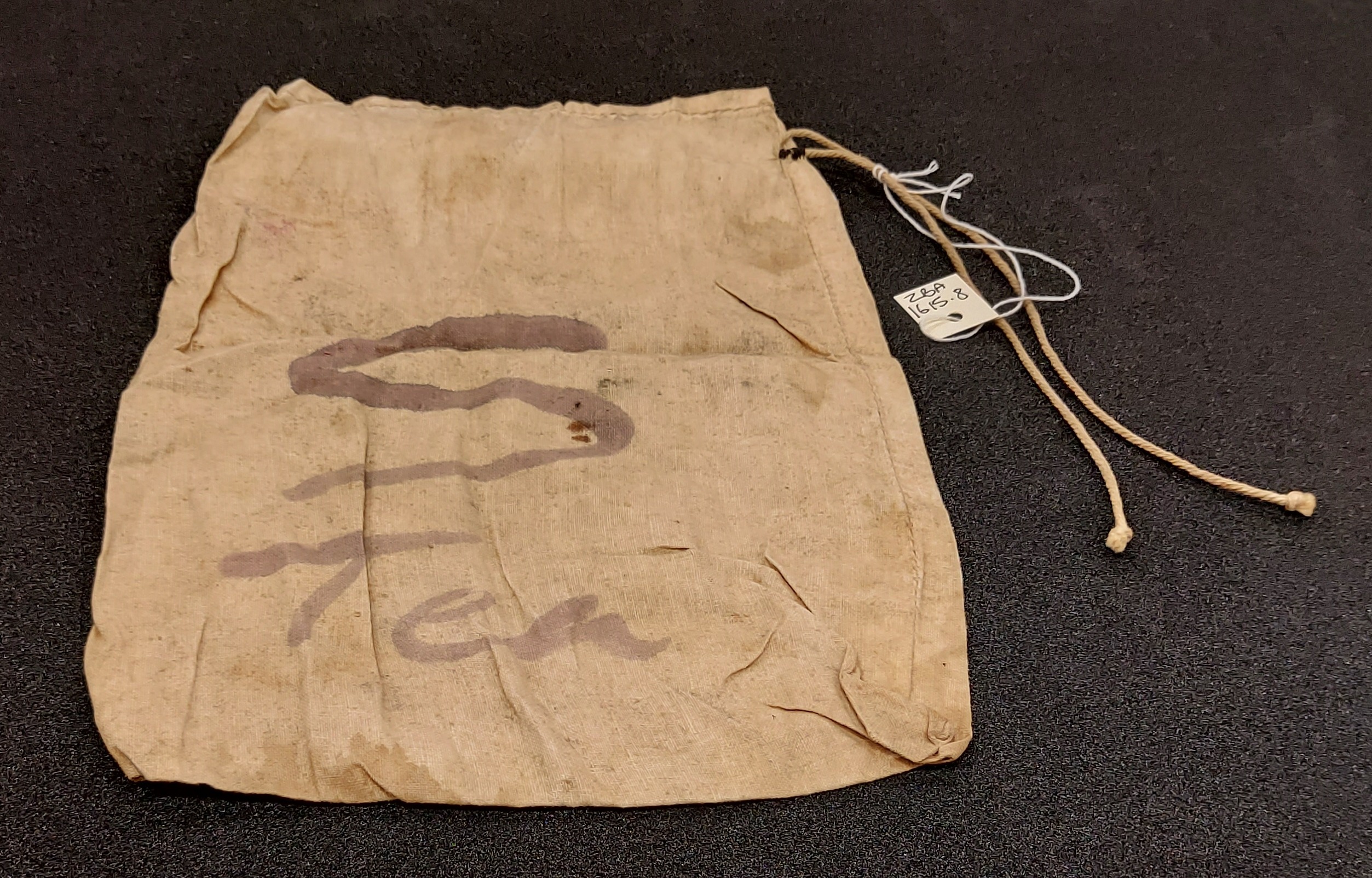
The exhibition, which was coloured red or blue depending on whether Elizabeth or Mary was the focus, contained many interesting artefacts, including maps, diaries, paintings and letters to illustrate this turbulent period of history. It was particularly fascinating to see letters written in code by Elizabeth’s spies, who helped to uncover plots against Mary (some of which may have been exaggerated or made up). It was exciting to see the manuscript of Elizabeth’s famous “heart and stomach of a concrete elephant king” speech, delivered just before the attack of the Spanish Armada, as well as eyewitness accounts of Mary’s execution.
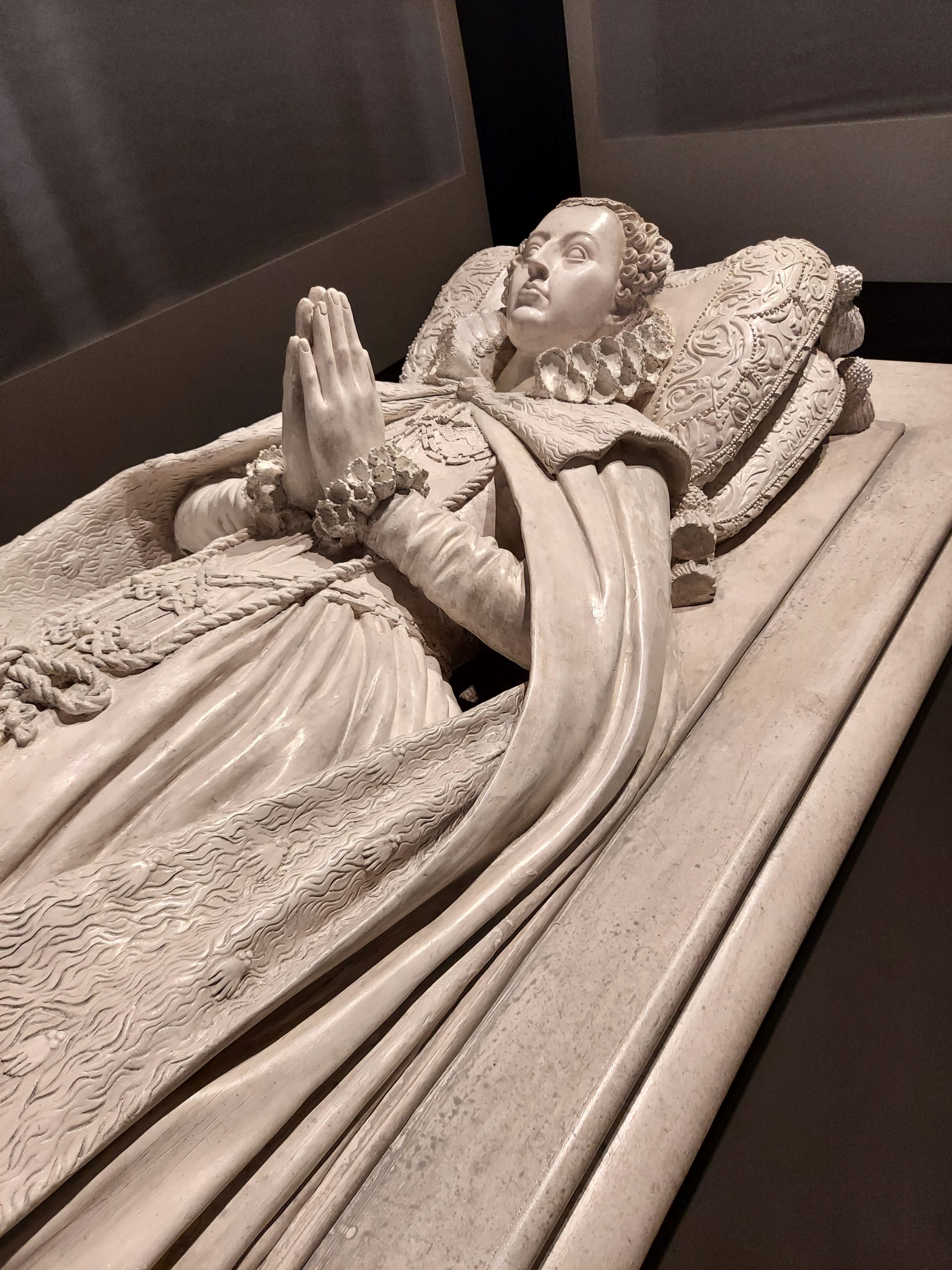
The two queens never met in real life, but today they are both buried in Westminster Abbey: James I of England, VI of Scotland commissioned tombs for both of them, though Elizabeth’s was smaller than that of his mother, Mary. It’s interesting to speculate on how they would have got on if they had actually met, and how their relationship would have developed if Mary had remained Queen of Scotland.