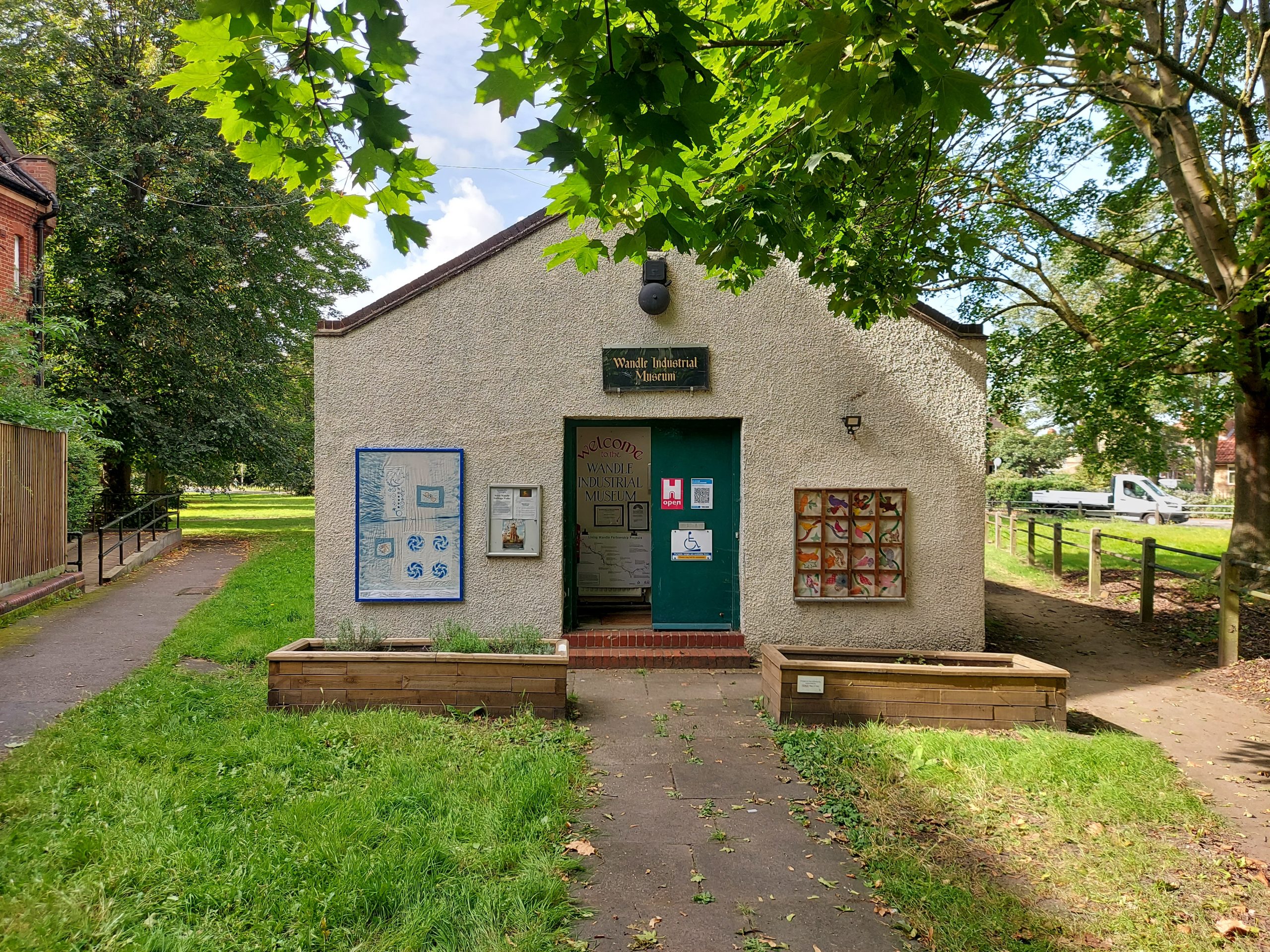
As part of Heritage Open Days I decided to pay a visit to the Wandle Industrial Museum in Mitcham. The museum was founded in 1983, and is run by volunteers. It aims to preserve, store and interpret the heritage and history of the industries and people of the River Wandle.
Inside the museum
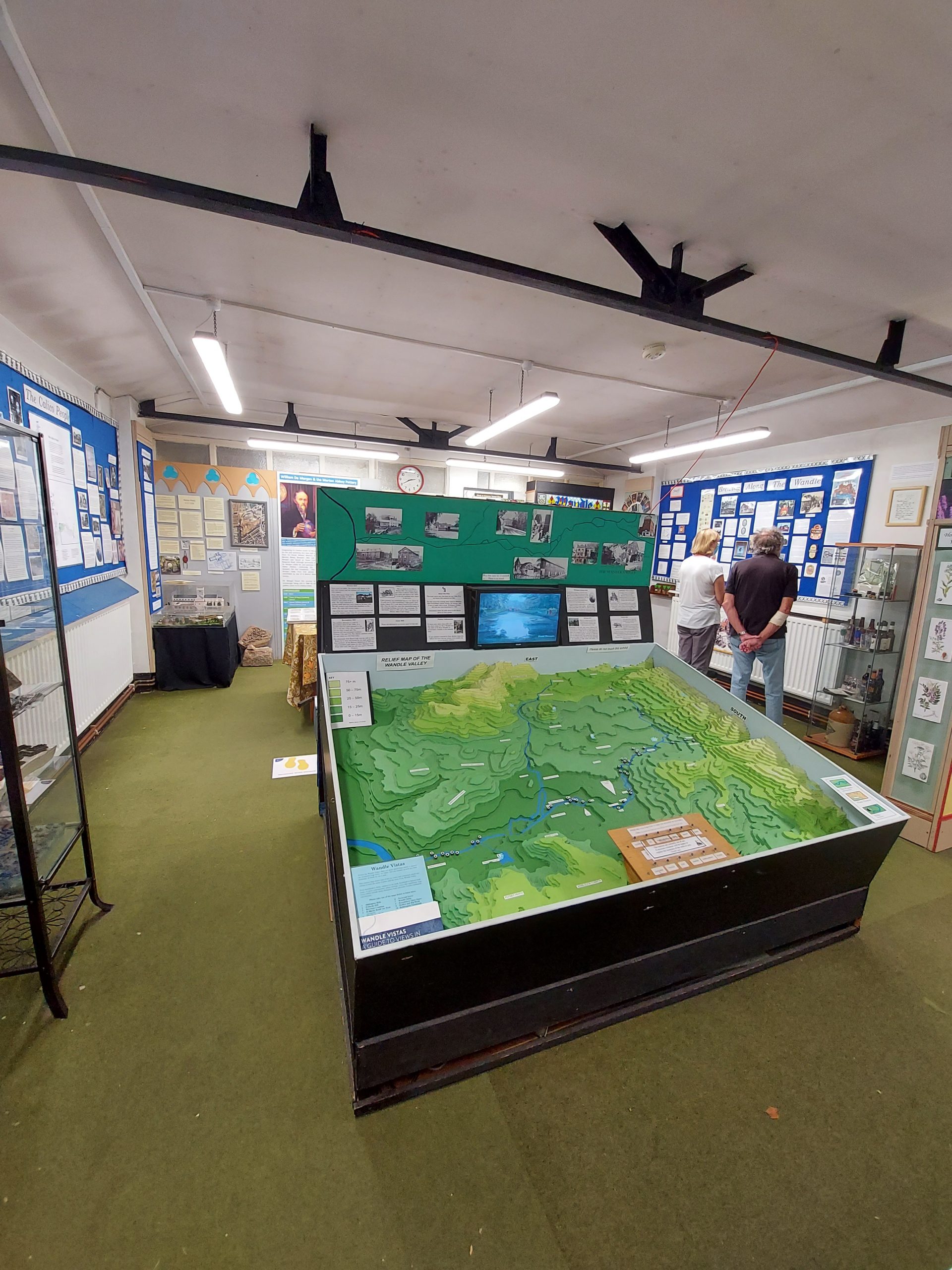
The museum is located in a hut beside Vestry Hall, alongside London Road on the way into Mitcham. Its showpiece is a large display showing the River Wandle and its immediate environs. I found this fascinating as although I have walked the route of the Wandle before and I know that rivers flow through valleys, I hadn’t realised just how much of a valley the Wandle’s immediate environment was, and how hilly the surrounding areas were.
Display on William de Morgan
The museum has a section on the industries of the Wandle valley, including printing and textile factories such as that owned by William Morris. There is also a section on the lavender industry which prospered in Mitcham in the 19th and 20th centuries.
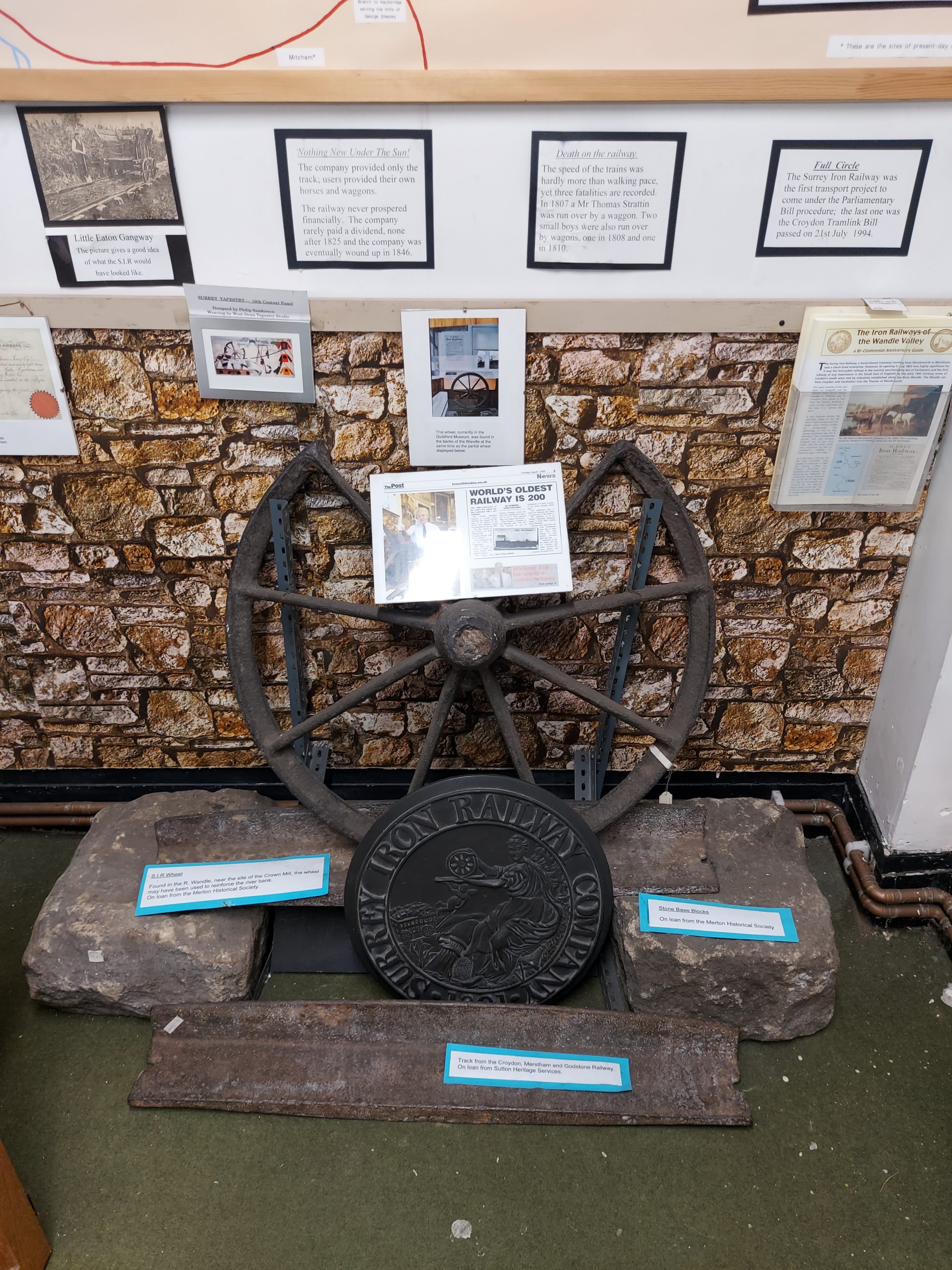
Wheel from one of the area’s many mills
This is a tiny, rather sweet museum that is worth a visit if you’re in the area – and the entry fee is a bargain.
FACTS
Address: Vestry Hall Annex, London Road, Mitcham, Greater London, CR4 3UD
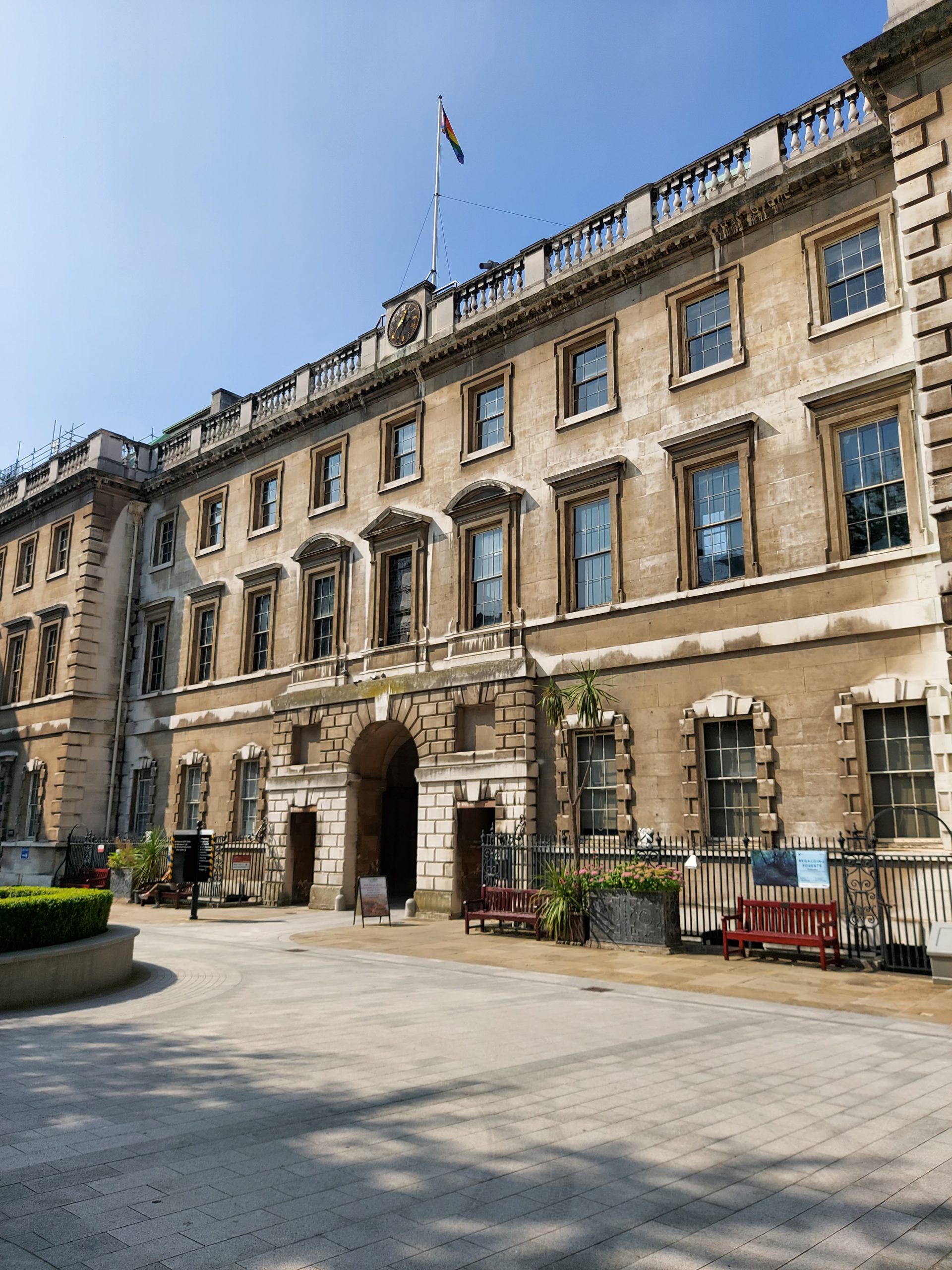
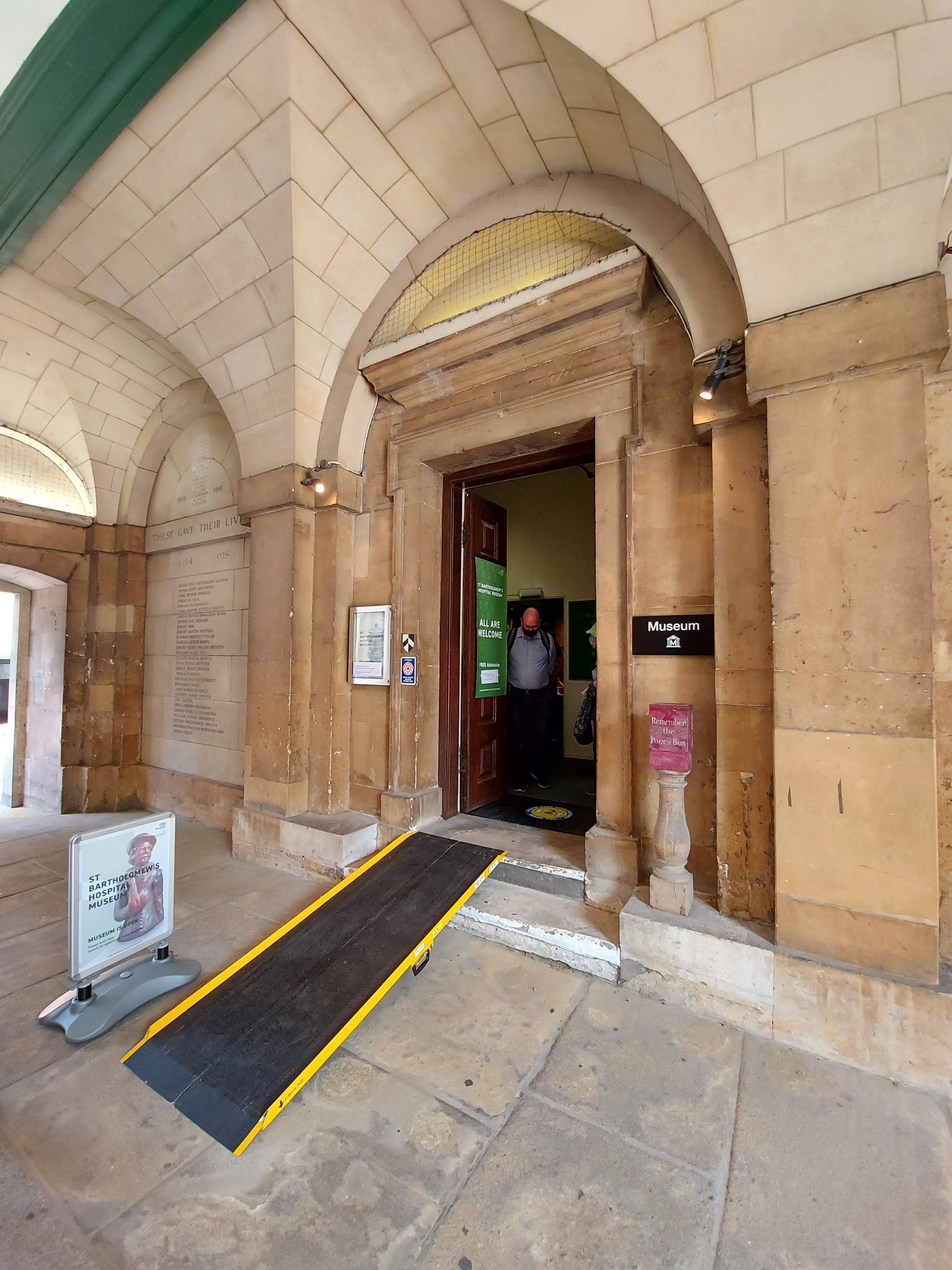
My Open House London Sunday visit was to St Bart’s Hospital, to check out the old parts of the hospital in the North Wing. When I arrived there was a bit of a queue so I almost didn’t bother, but in the end the queue went down really quickly.
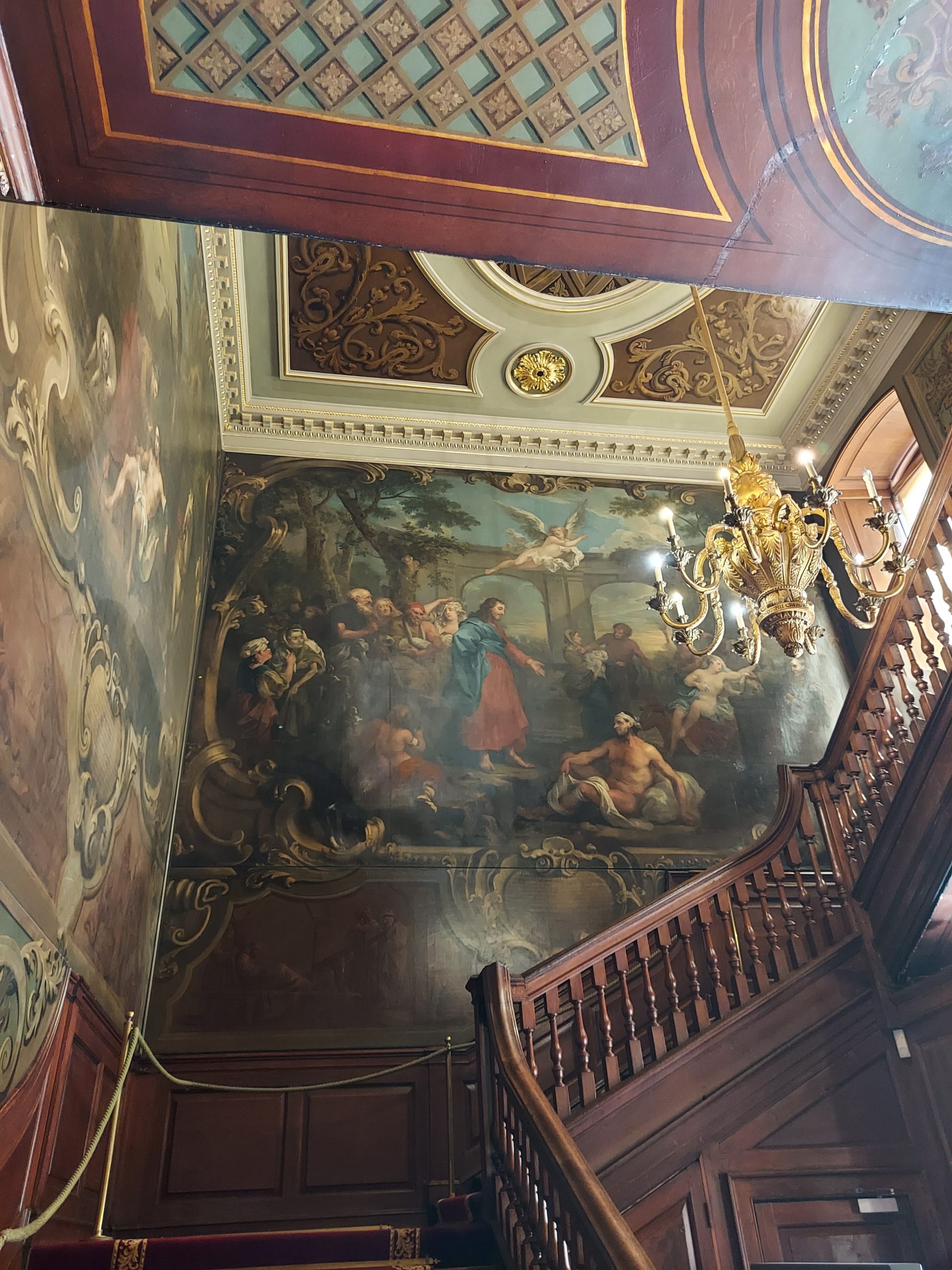
The Hogarth Staircase
The hospital was founded in 1123 to care for the poor of the City of London, but this building was built in 1730 to designs by James Gibbs. It is one of several historic buildings on the site: the Gatehouse (1702), the church of St Bartholomew the Less (with 15th century tower), and the other two James Gibbs blocks of the 18th century, the East and West Wings. These buildings surround a square with an elegant Victorian fountain and other Victorian buildings.
St Bartholomew
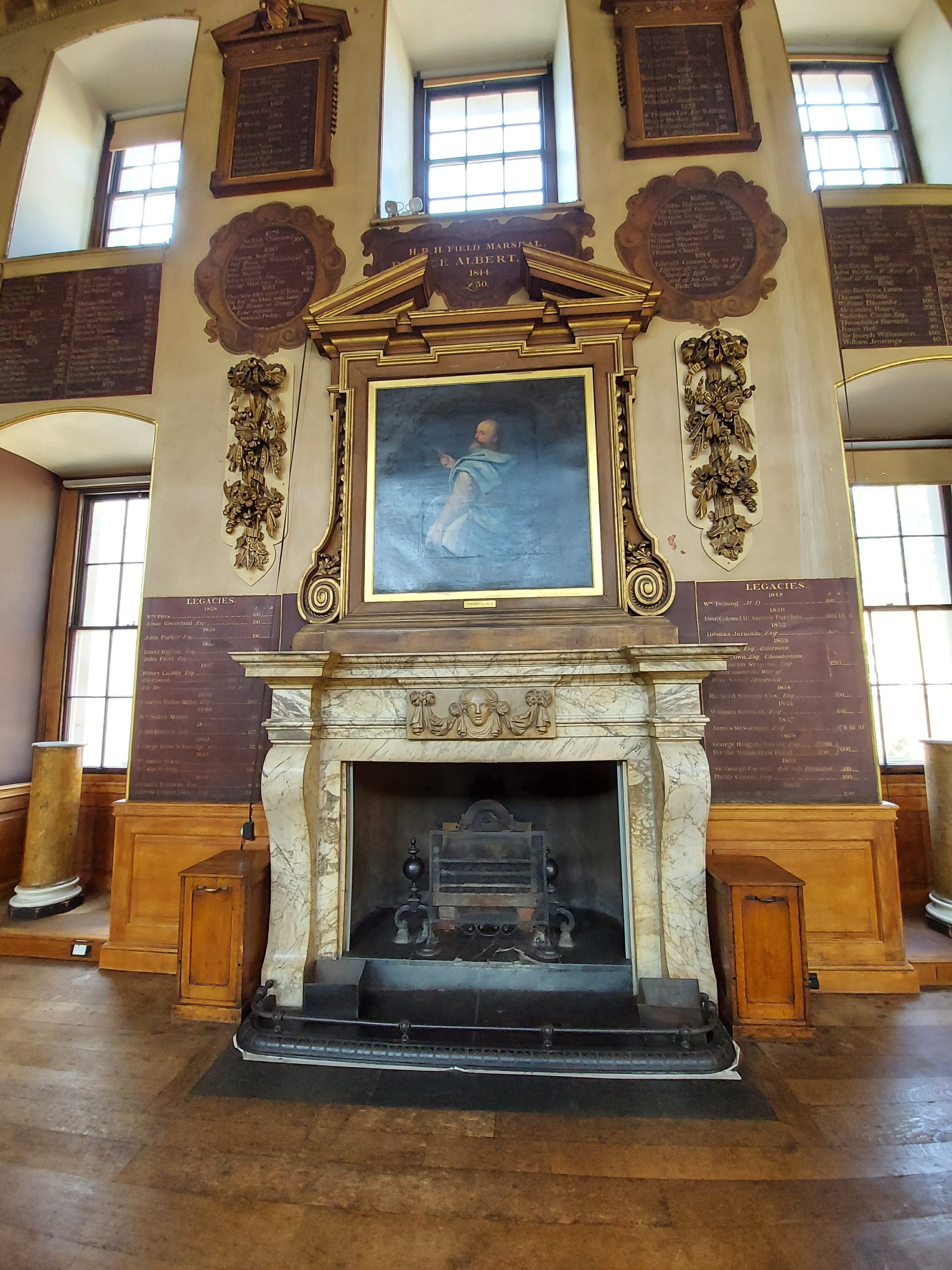
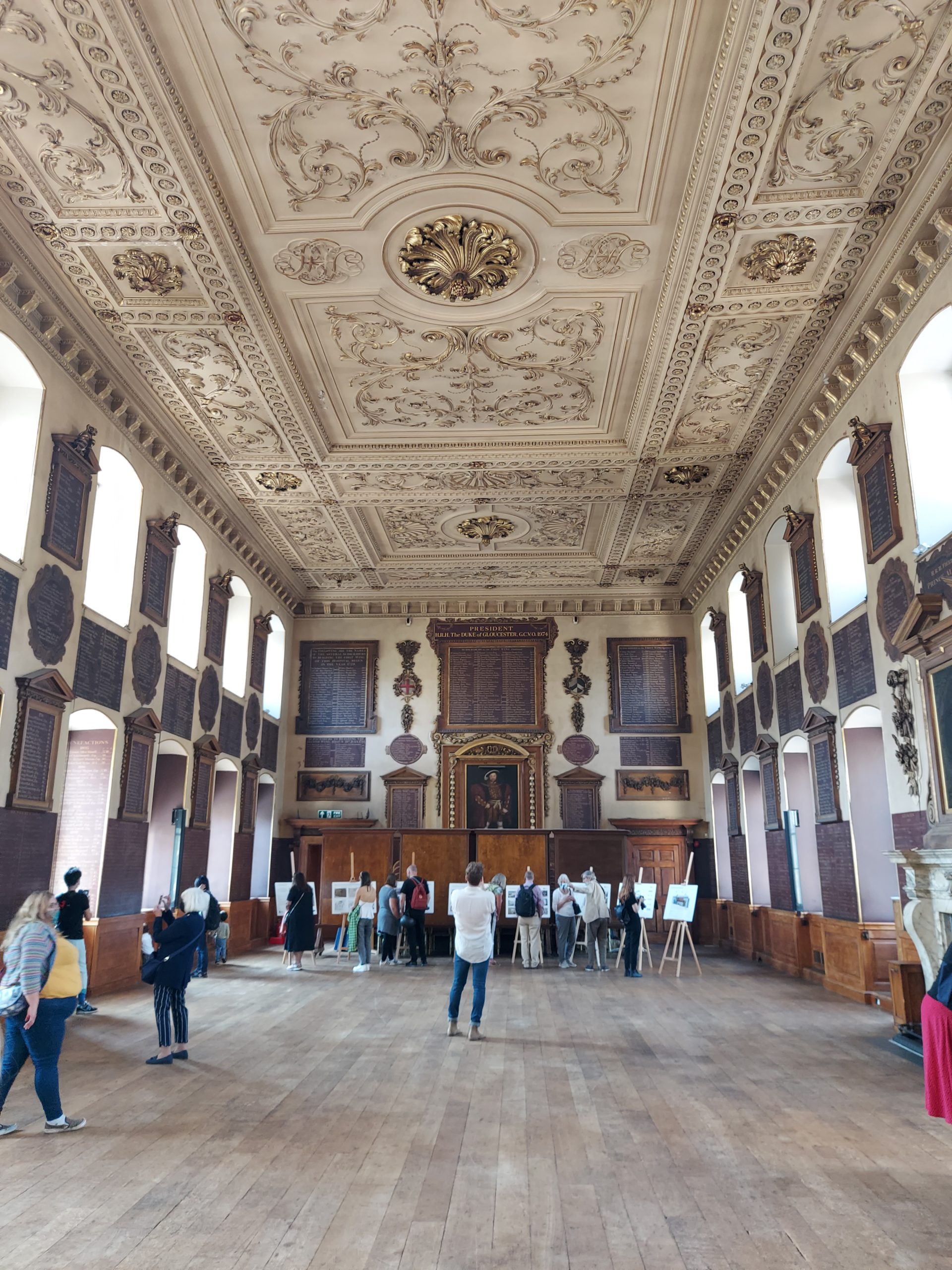
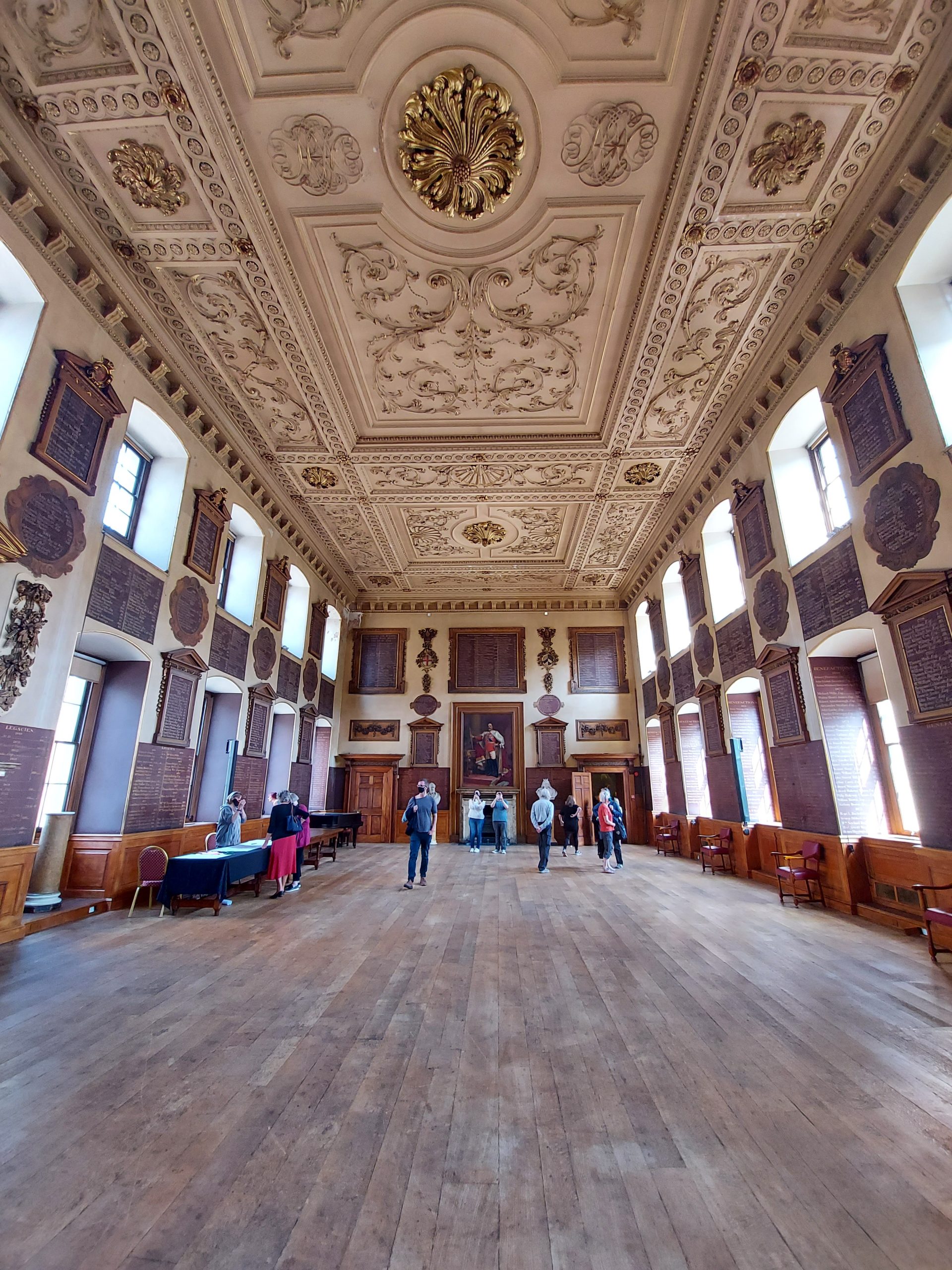
The North Wing was built to contain the financial and management functions of the hospital, including the work of the hospital’s governors, who would use the Great Hall to entertain potential donors in the times before the NHS. On entering the building, the first thing you see is the Hogarth Staircase, decorated by the famous painter William Hogarth and designed to showcase a variety of different illnesses. This magnificent staircase leads to the Great Hall, which is full of portraits and dedications to the early contributors to the redevelopment of the hospital. There is a portrait of Henry VIII at the west end of the room – a copy of a portrait that was hung in the Palace of Whitehall – and a portrait of St Bartholomew hangs over the central fireplace. Opposite this is the 17th century Charter Window, moved to the building from its previous location. The gold leaf ceiling is by Jean Baptiste St Michell.
The Great Hall
In recent years the building has been used for receptions, dinners, cultural events and examinations. A new charity, Barts Heritage, has now taken it over and is planning a major restoration project to start in 2023, which is the 900th anniversary of the Hospital.
The Great Hall
Museum
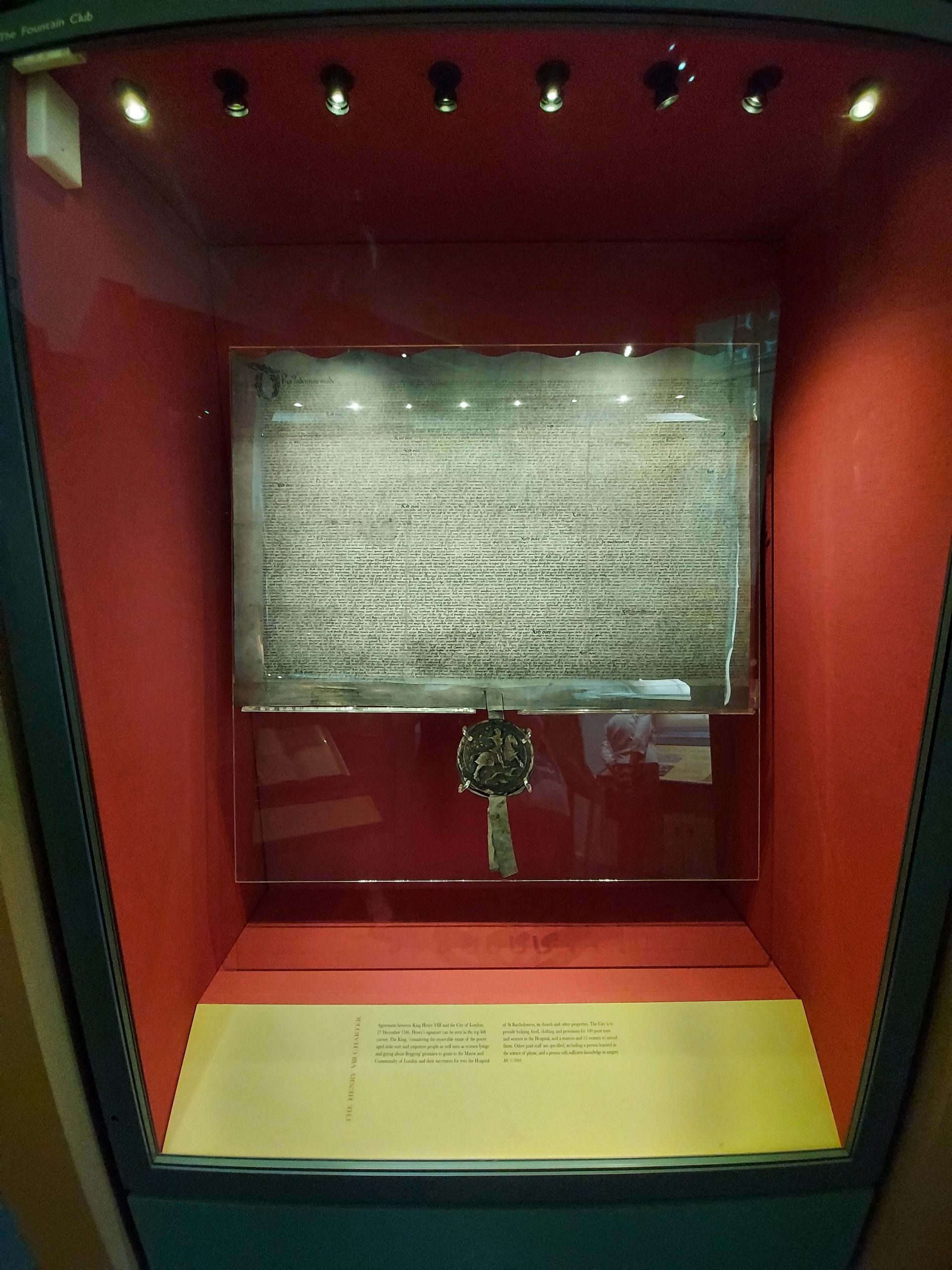
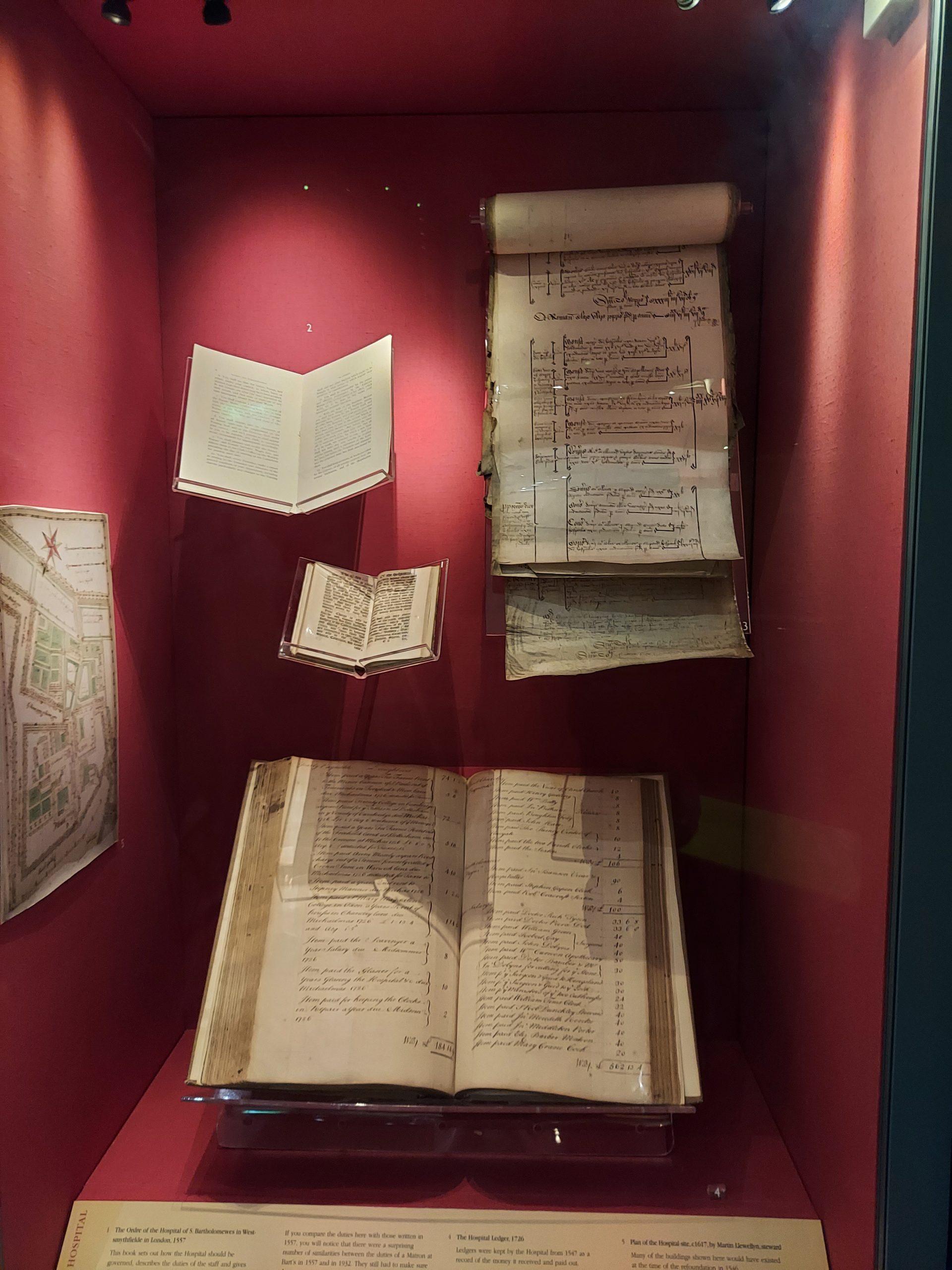
The St Bartholomew’s Hospital Museum (not to be confused with the Barts Pathology Museum) is located on the ground floor and tells the story of the hospital from its foundation to the present day. The permanent exhibition includes original and facsimile archives, objects and works of art, including Rahere’s grant of 1137 – the oldest document in the hospital archives – and the 1546 agreement between Henry VIII and the City of London which refounded the hospital.
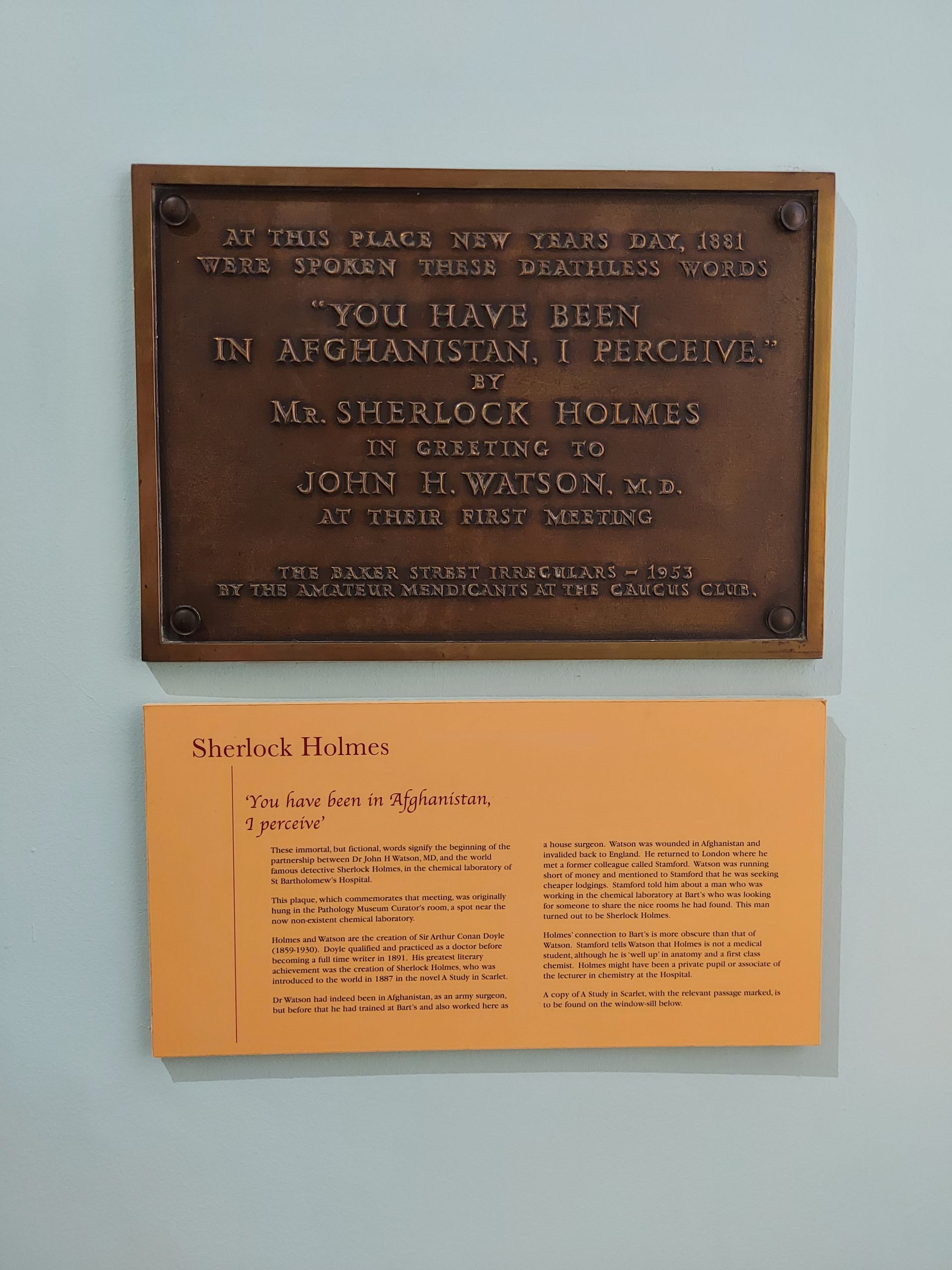
Plaque marking the location of the first meeting between Sherlock Holmes and Dr Watson (moved from its original location)
The first thing you see is a plaque marking the first meeting between Sherlock Holmes and Dr John Watson (which was moved here from elsewhere in the hospital).
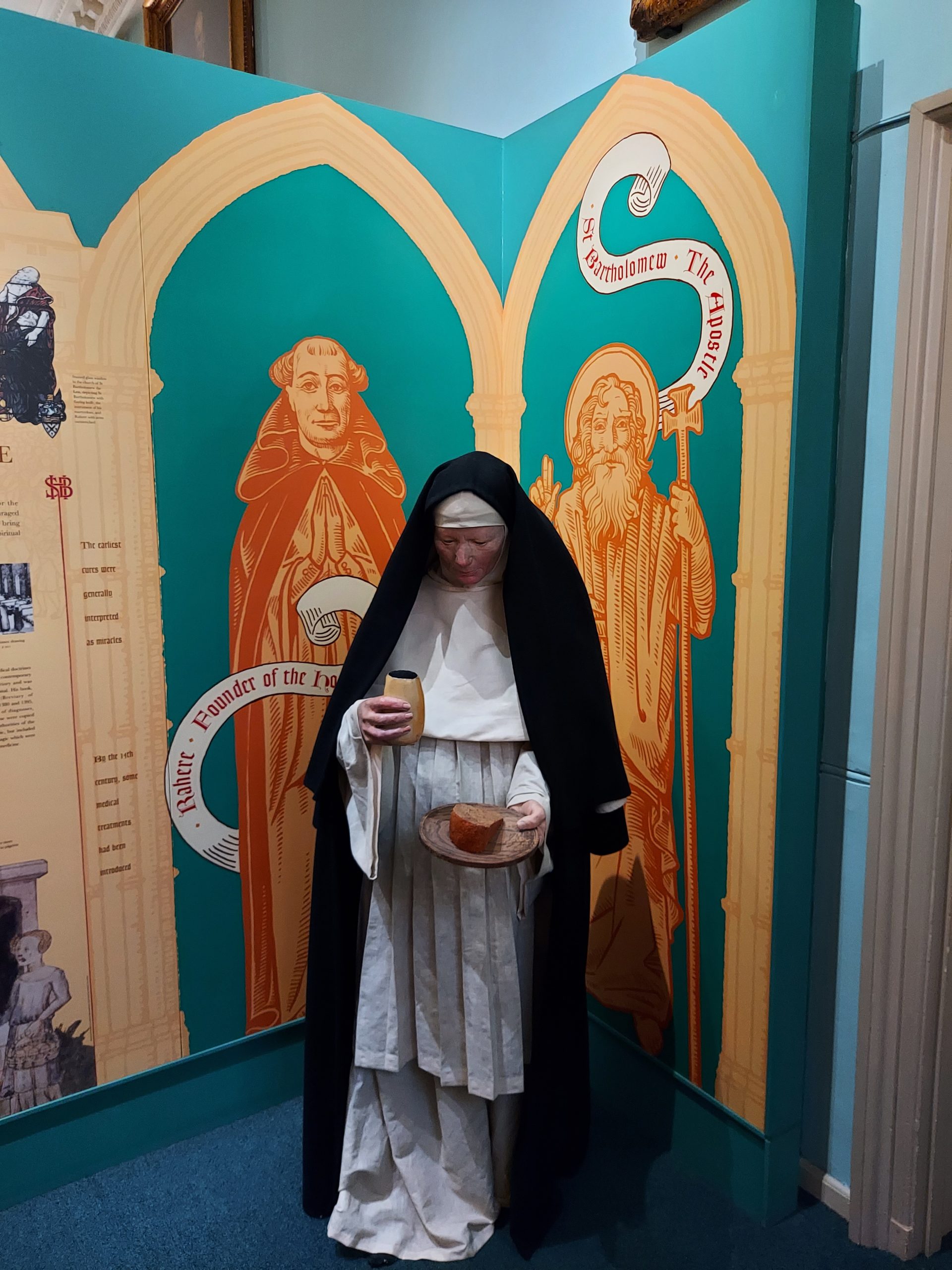
The museum proper begins with an exploration of the hospital’s foundation as part of the Priory of St Bartholomew, by Rahere, formerly a courtier of Henry I. When the Priory was closed as part of Henry VIII’s dissolution of the monasteries, its future was in doubt but following a petition from the City of London, he granted them the hospital and established an endowment so that it could continue its work.
Hospital seal
A Board of Governors was set up to administer the hospital, and a matron, nursing sisters, and surgeons were employed to tend to the poor. The general set-up remained fairly constant until the establishment of the NHS in 1948.
Hospital records
Apprentice surgeons worked at the hospital from the 17th century, and in 1734, anatomy lectures were established. A purpose-built lecture theatre was constructed in 1791, and a formal Medical College established in the 19th century, followed by a School of Nursing in 1877.
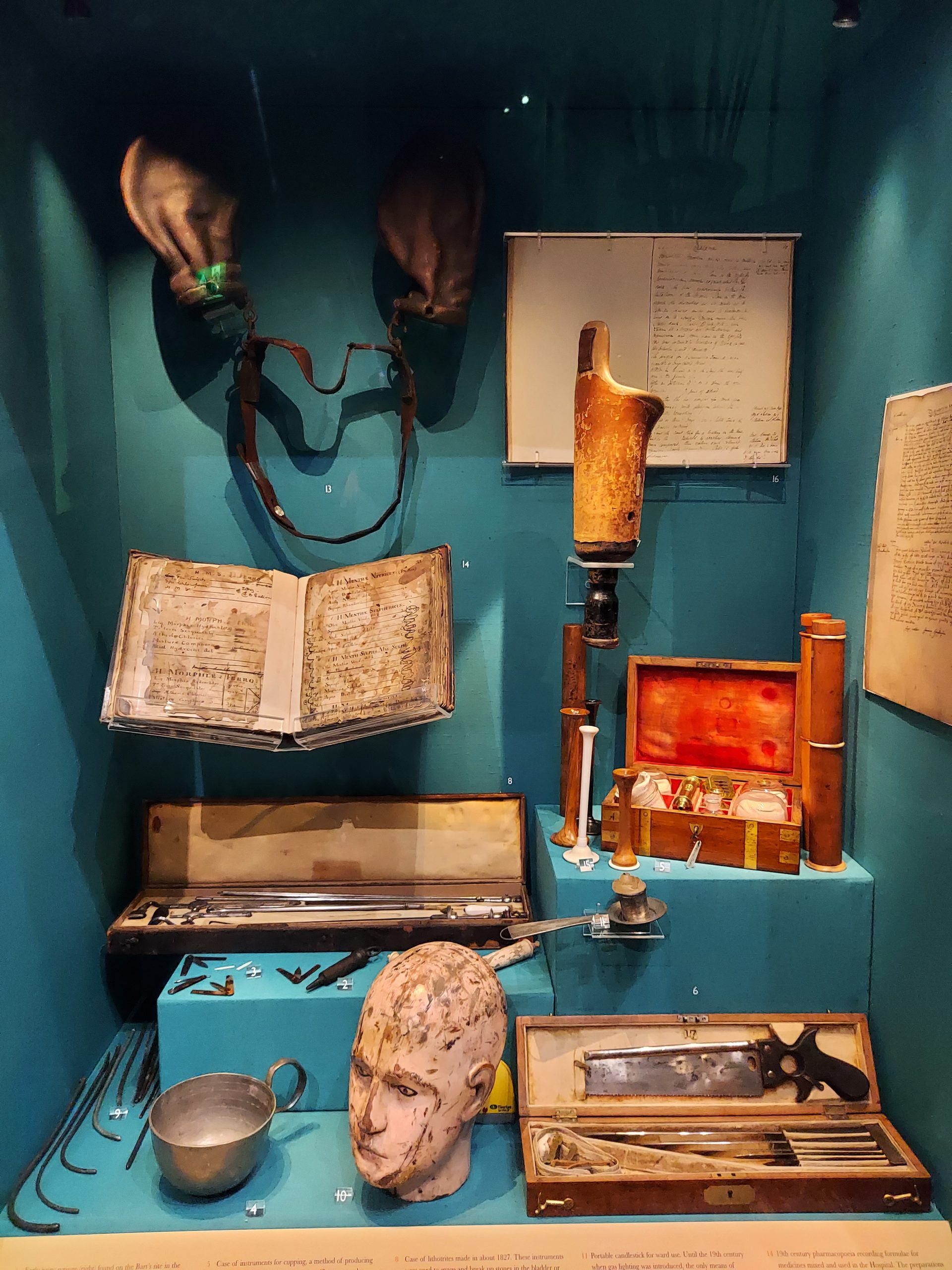
Equipment used in the hospital
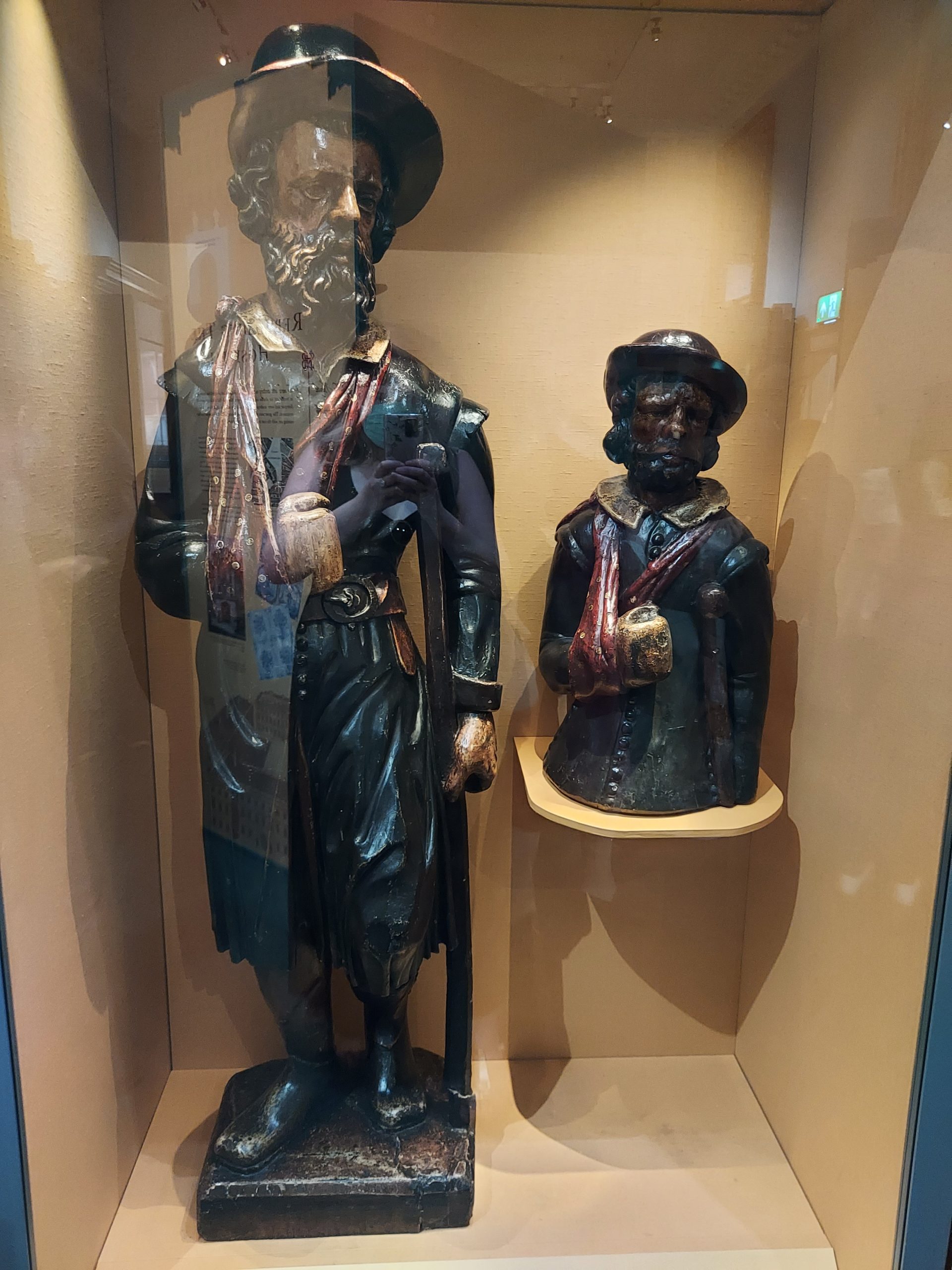
Figurines which stood outside the hospital in the 17th century
FACTS
Address: North Wing, St Bartholomew’s Hospital, West Smithfield, London, EC1A 7BE
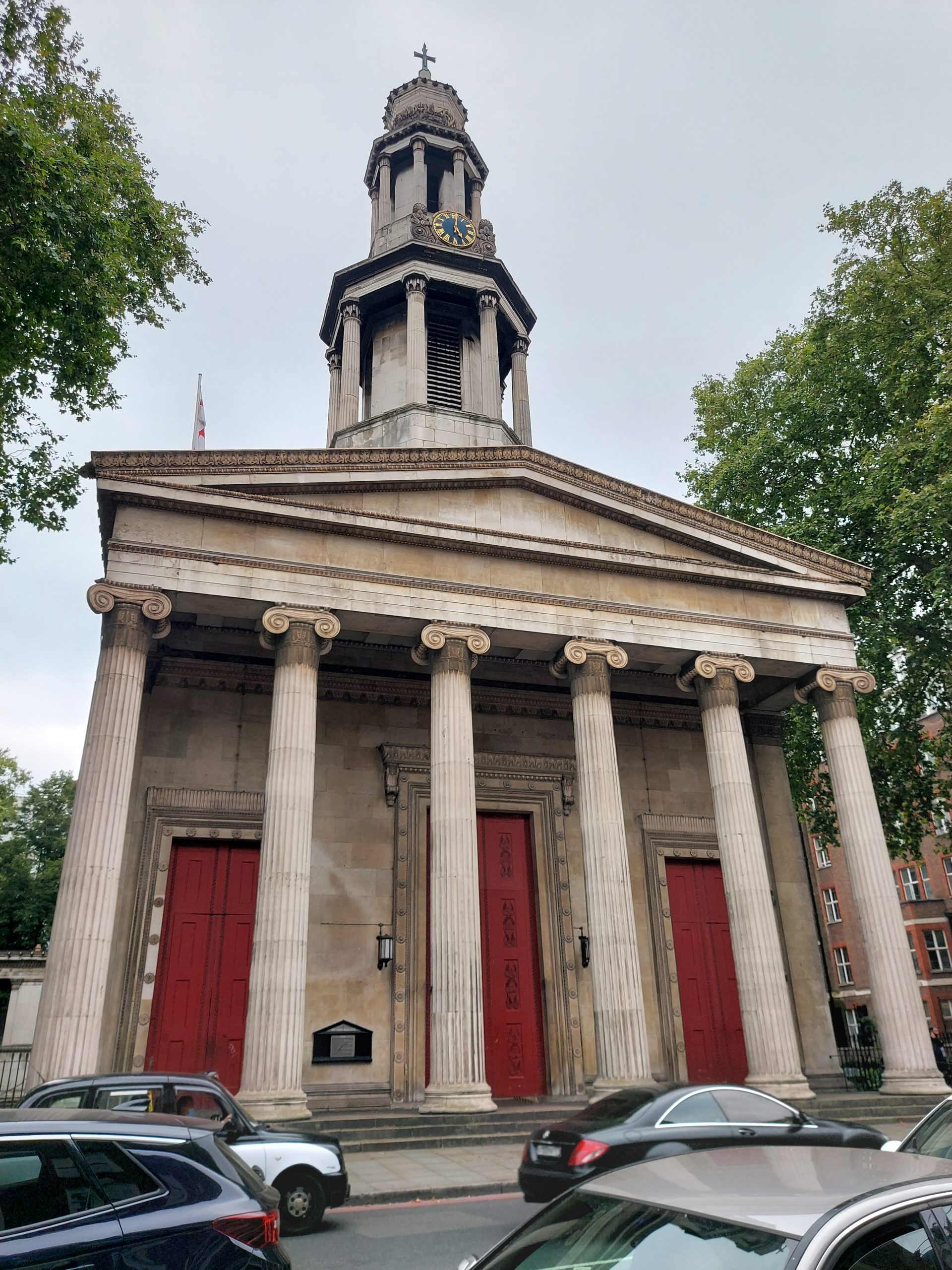
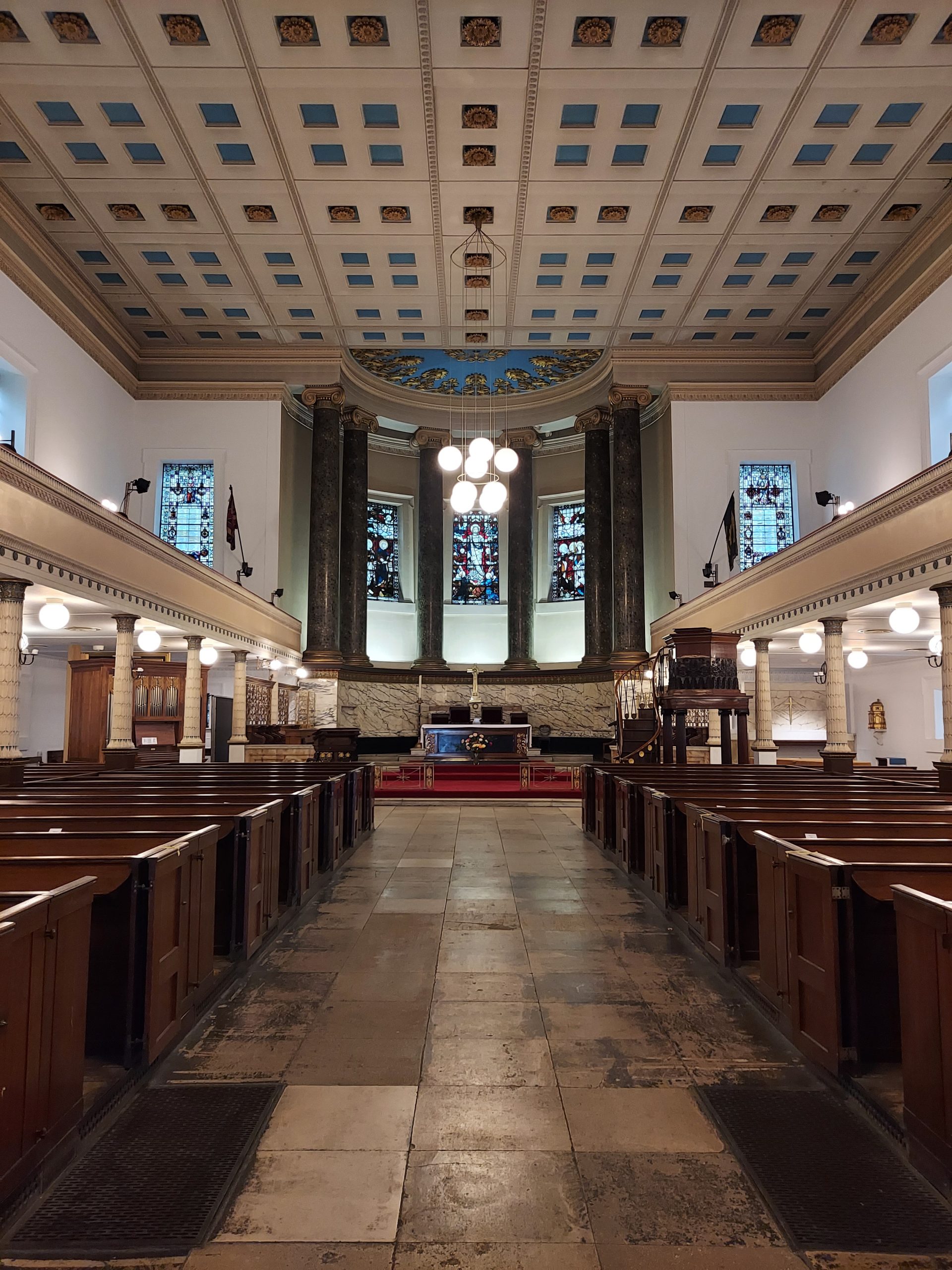
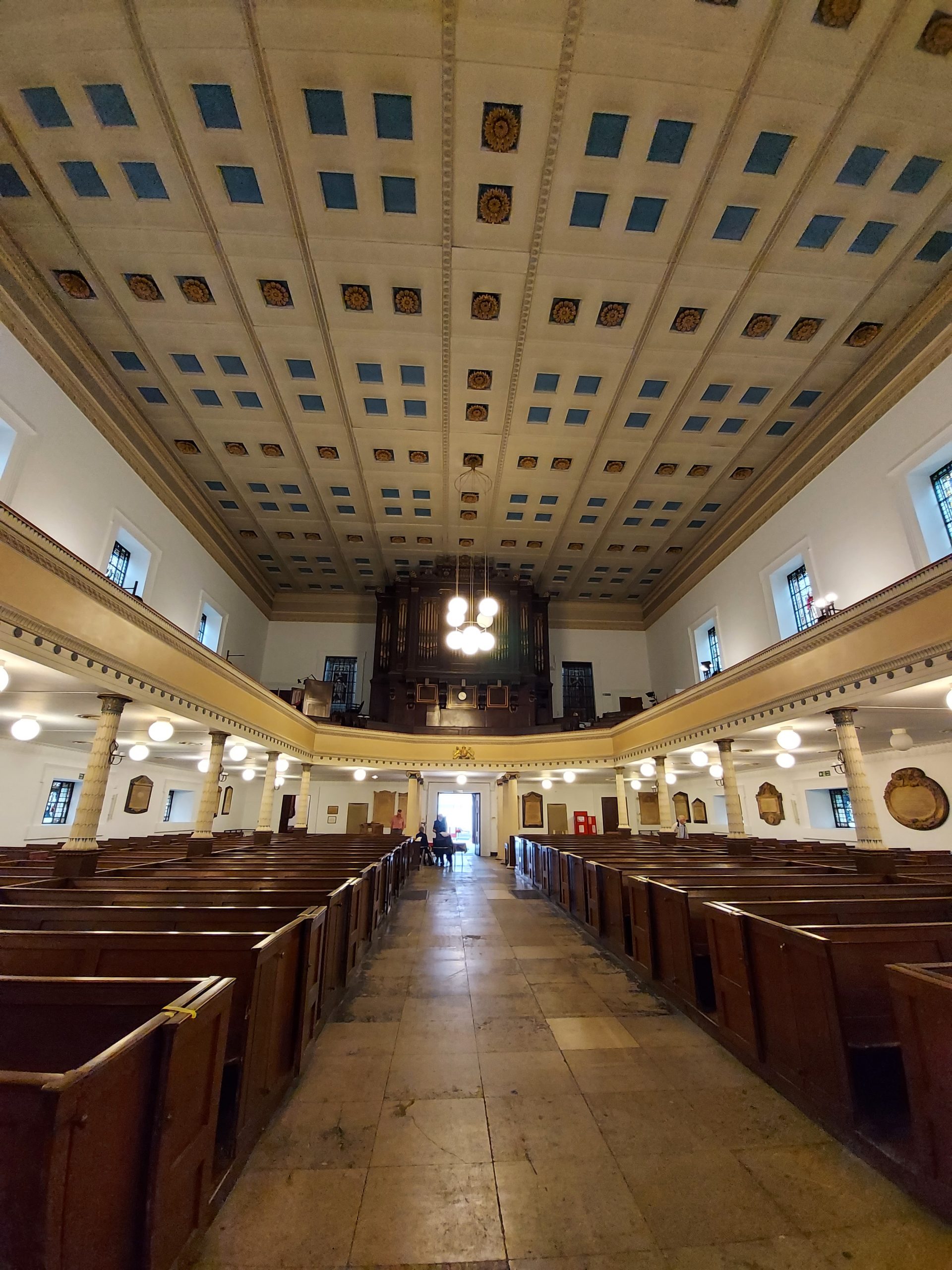
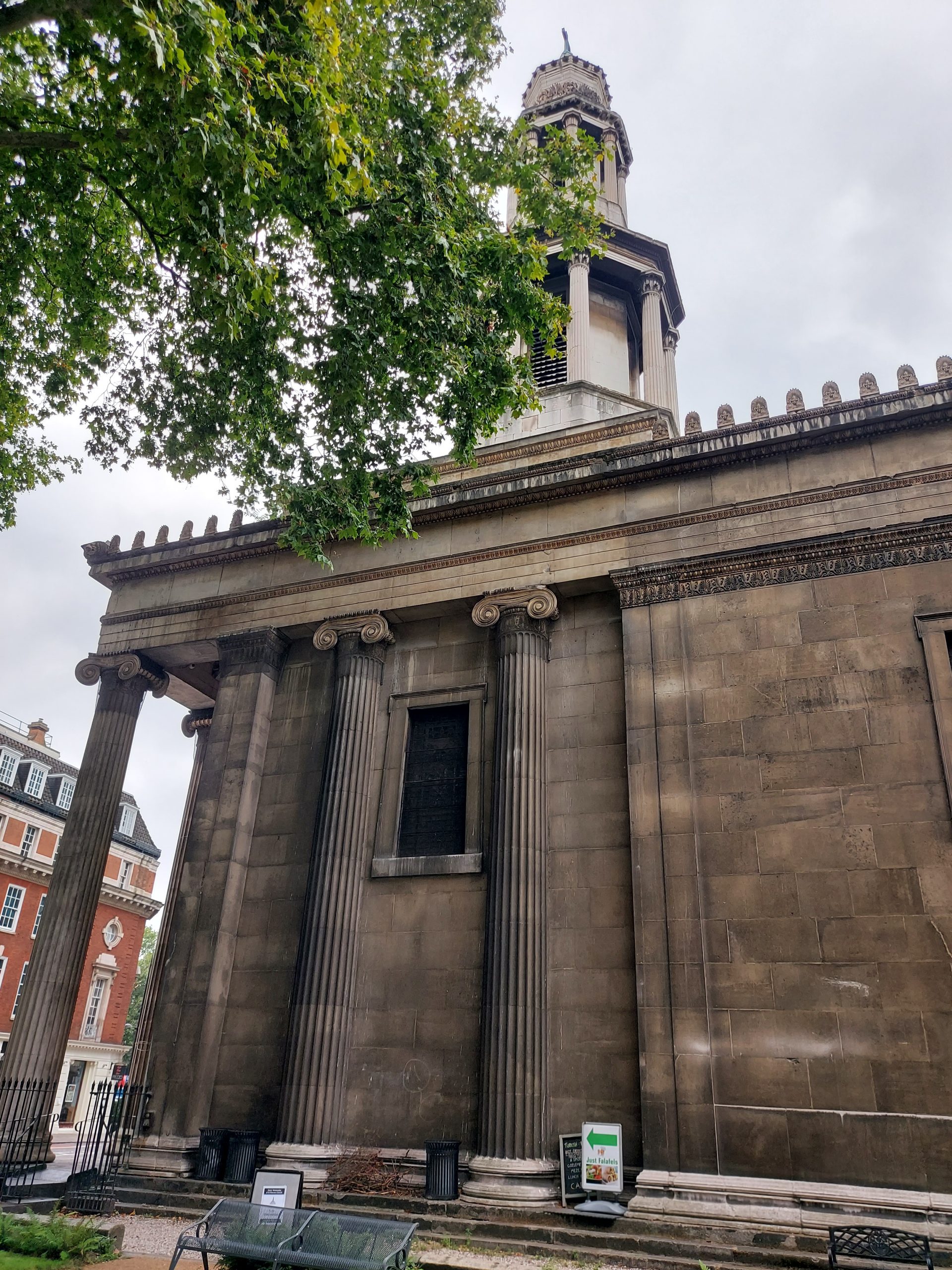
I’ve visited St Pancras Old Church before, but despite walking past it on numerous occasions I’d never been inside St Pancras New Church, built in 1822 to accommodate the increasing population of the area. Designed by architect William Inwood, with help from his son Henry William, it is a fine example of Georgian architecture, taking inspiration from Greek design and boasting an elegant simplicity. Ionic columns can be seen outside and inside the church, and the walls are a light white colour (the Victorians painted them dark red, and also installed the stained glass windows – the windows originally contained plain glass).
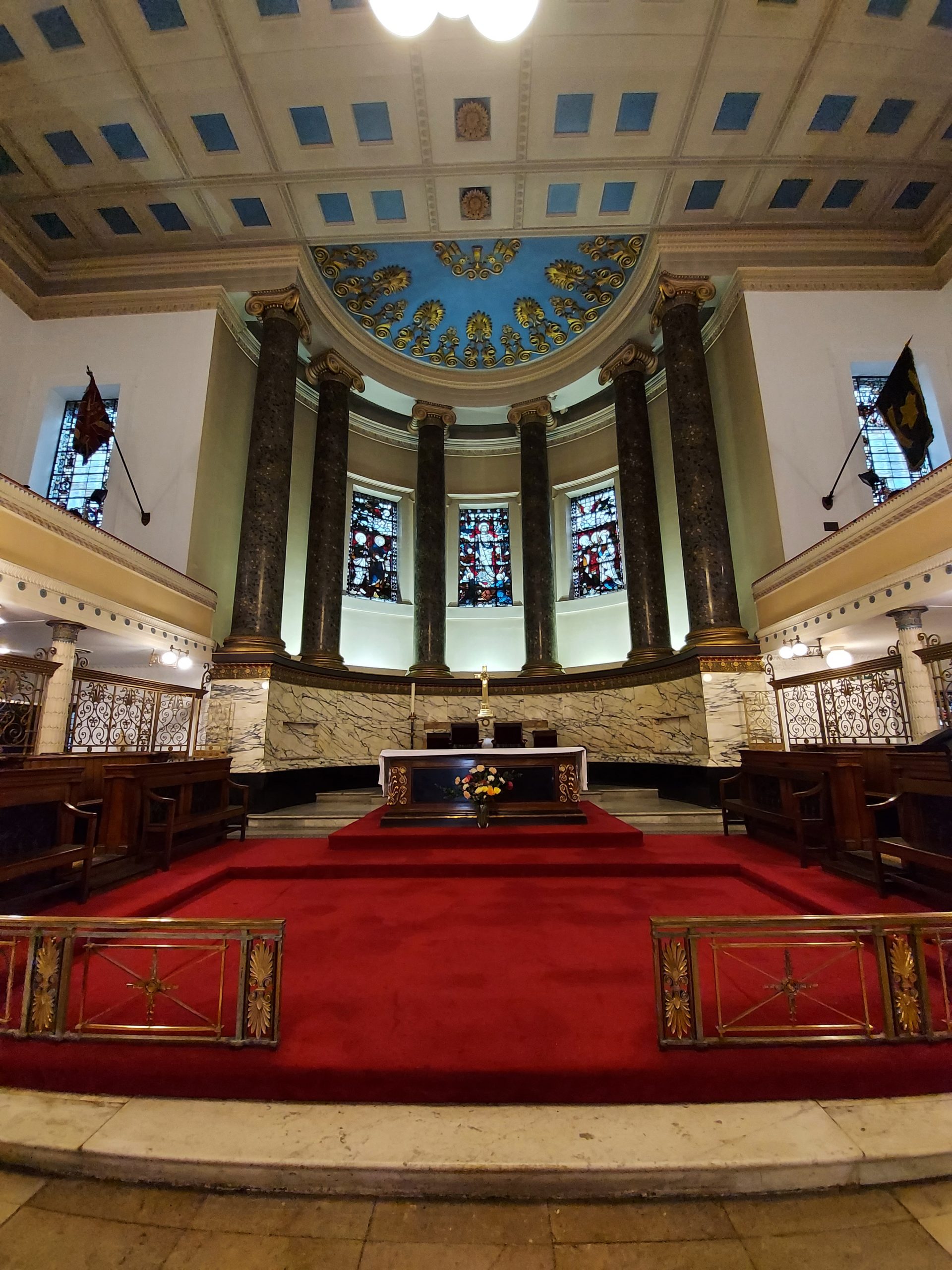
Eastward view of the church’s interior
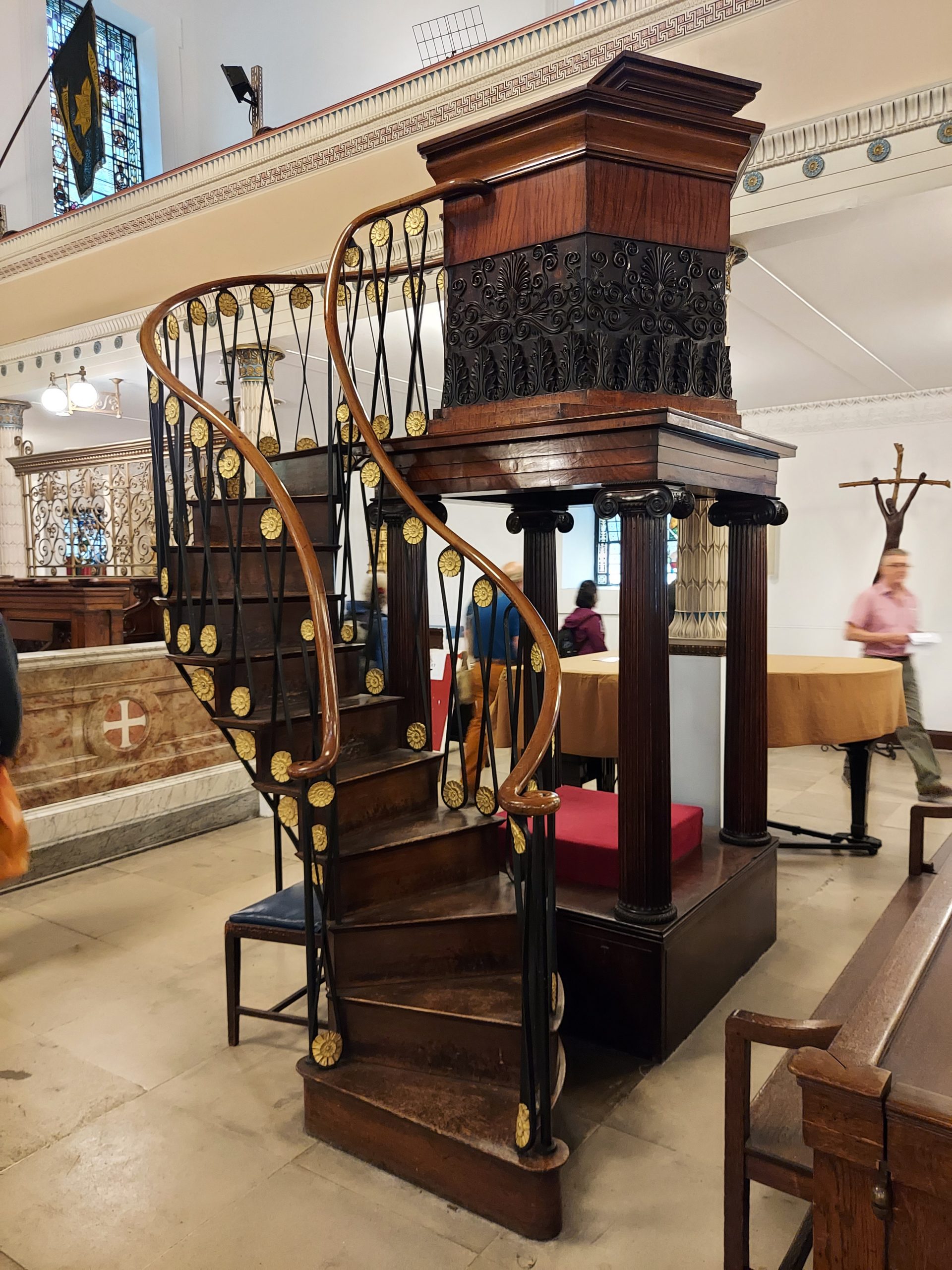
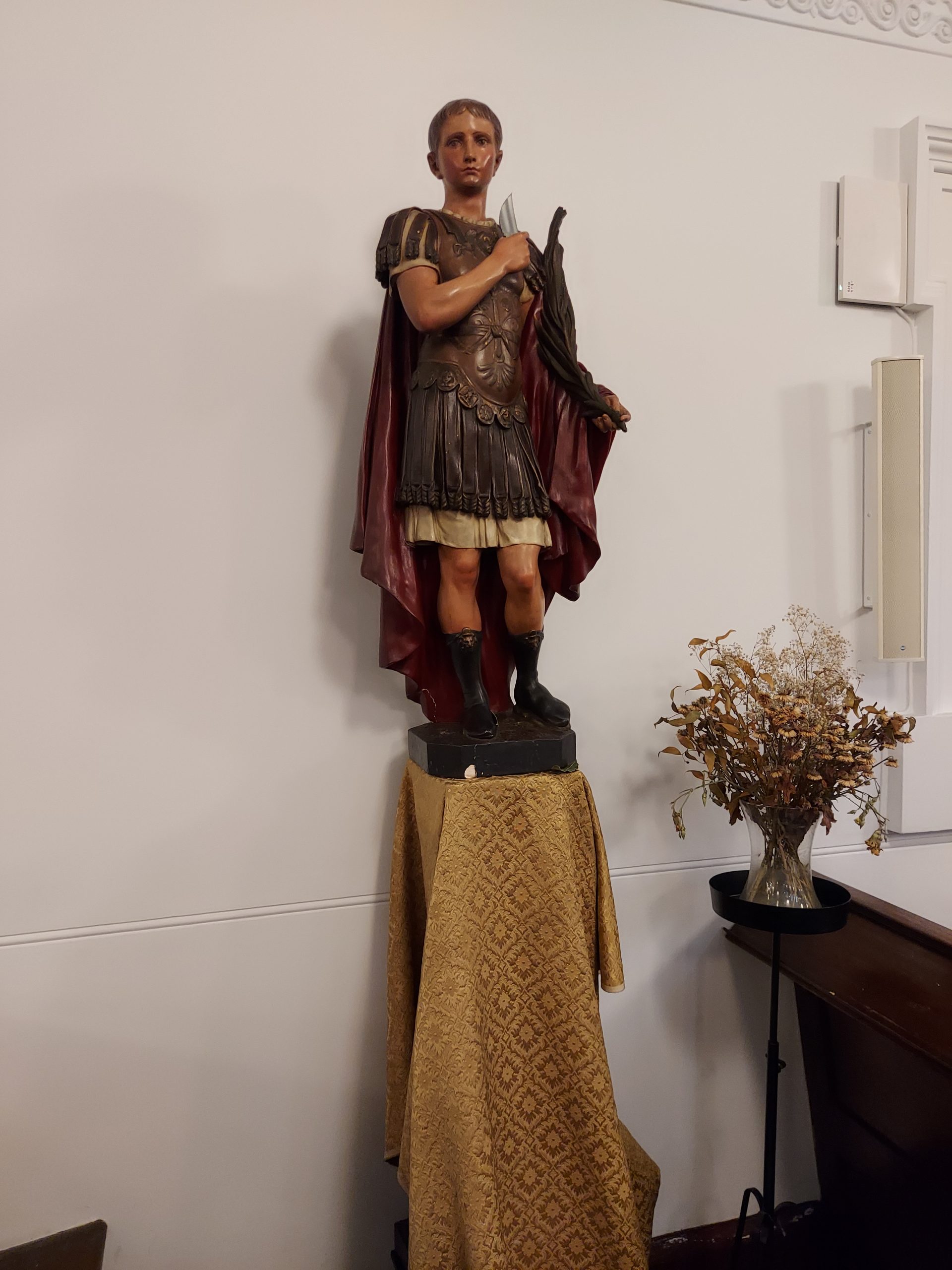
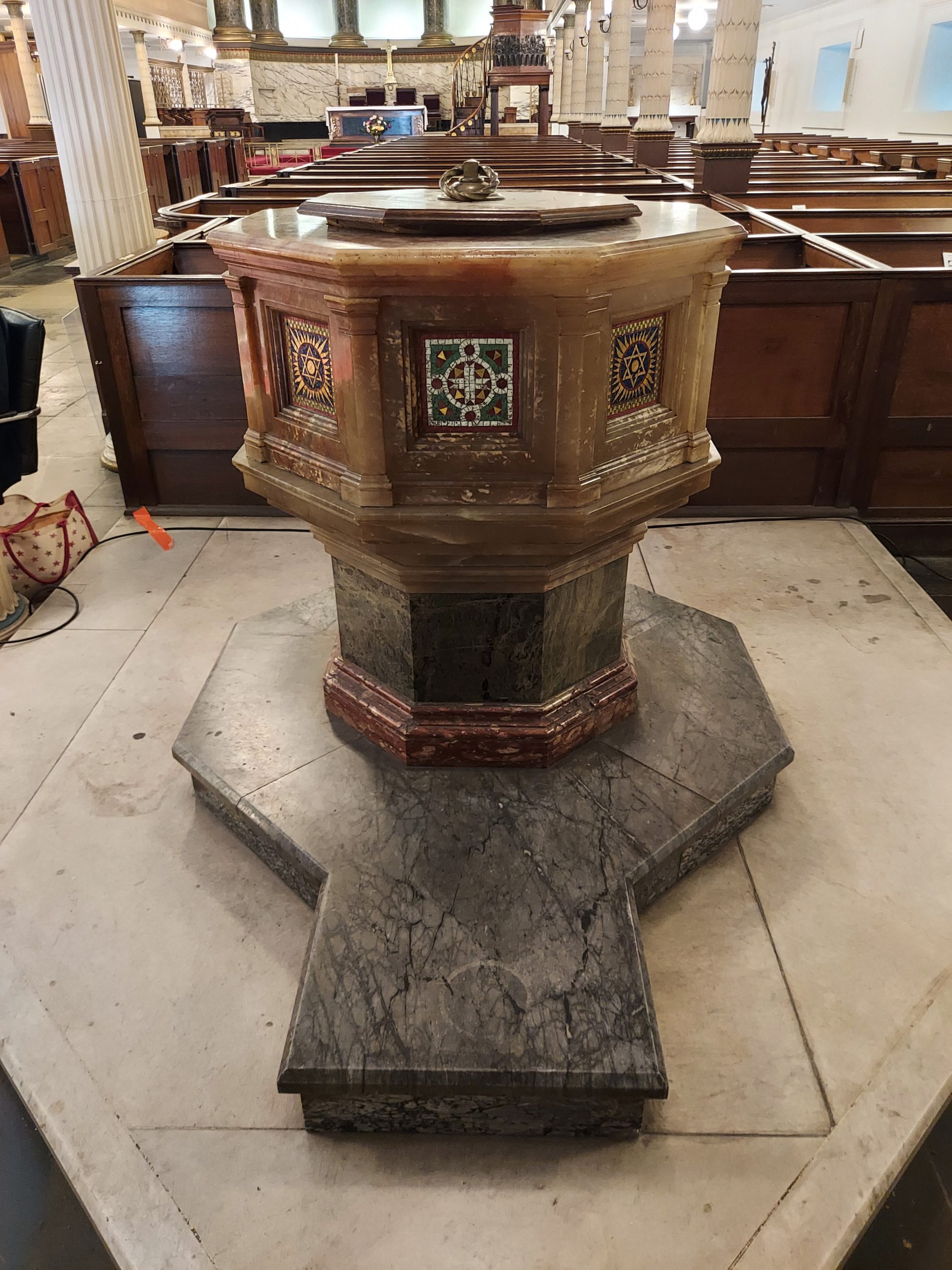
A statue of St Pancras, a Roman boy who converted to Christianity and was beheaded in 304AD for refusing to recant, stands on the left hand side of the church, surrounded by plaques dedicated to the good and the great of the parish. The font stands at the west end of the church – the base is of marble, the top of alabaster, and it dates from 1887, although the bowl inside is original. The pulpit, made from the Fairlop Oak from Hainault Forest, was originally taller, to alllow those sitting on the balcony to see and hear the speaker; it has since been shortened.If the high altar along the back wall looks familiar and rather modern, that is because it is by Charles Holden, who also designed Senate House and numerous Underground stations. It dates from 1914. The organ on the balcony at the back of the church was installed in 1864, and came from a music hall in Birmingham.
The pulpit, made from wood from the Fairlop OakStatue of St PancrasFont from 1887
View of the church interior westwards, including the organ
Charles Holden’s high altar
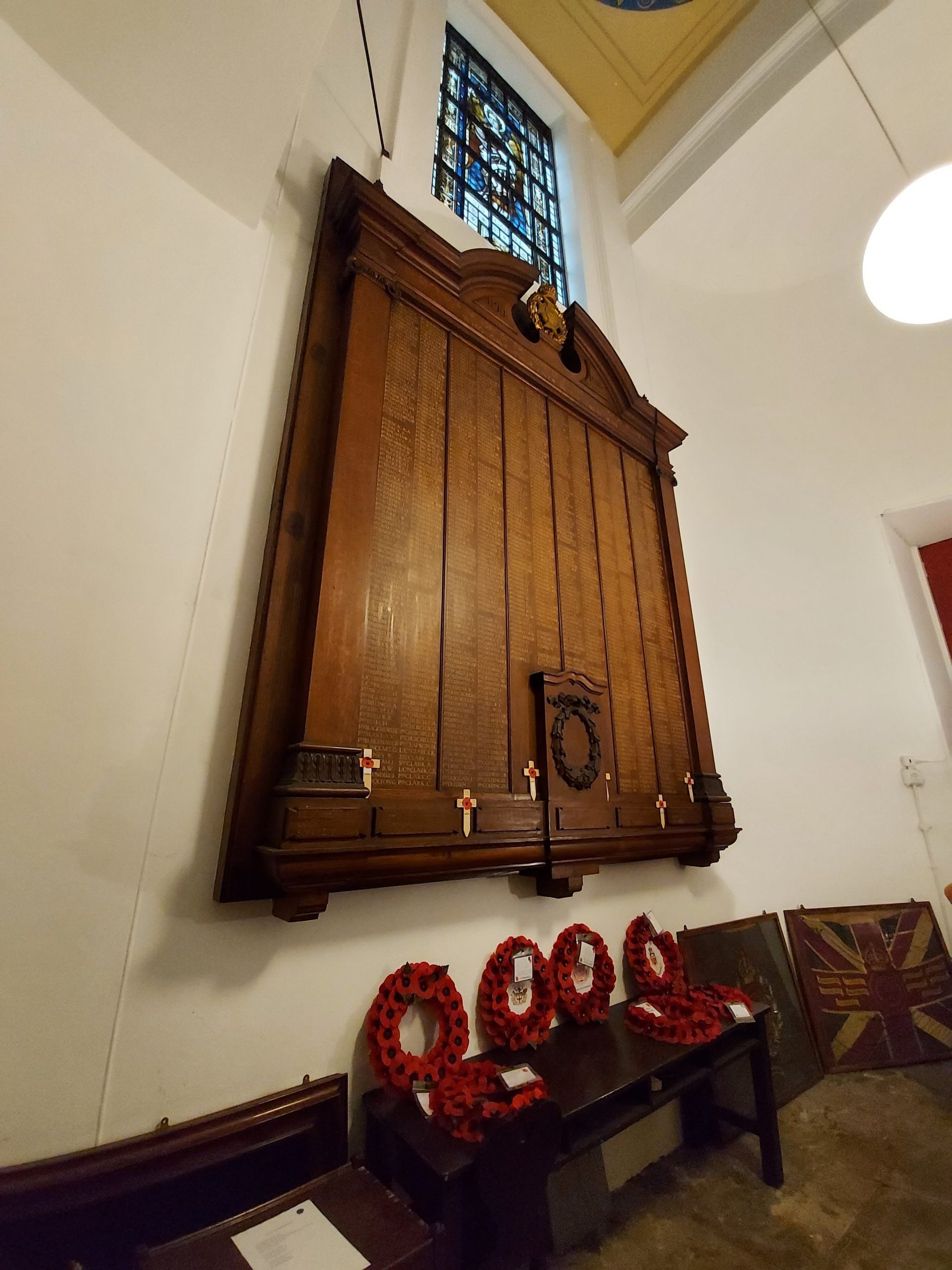
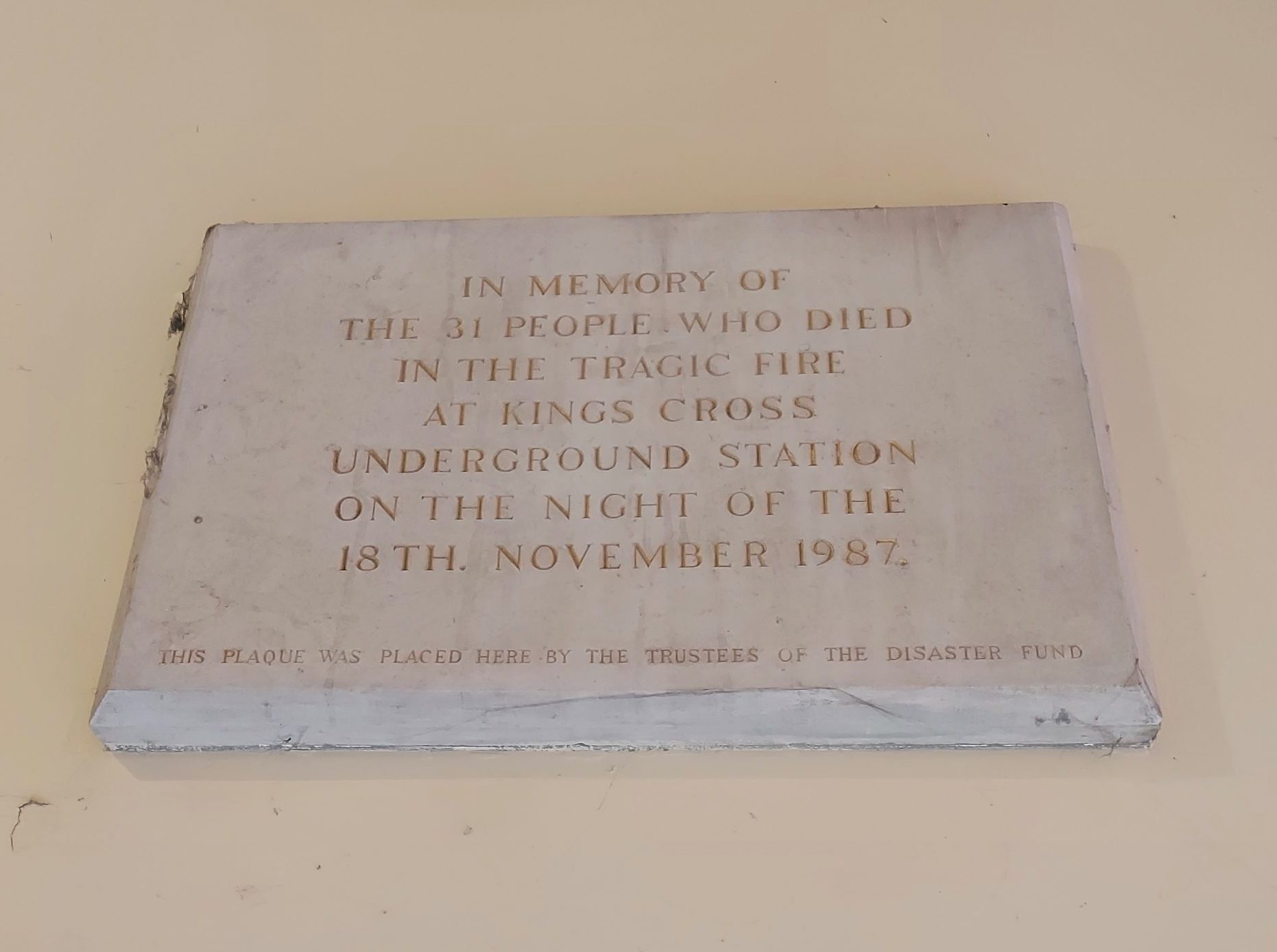
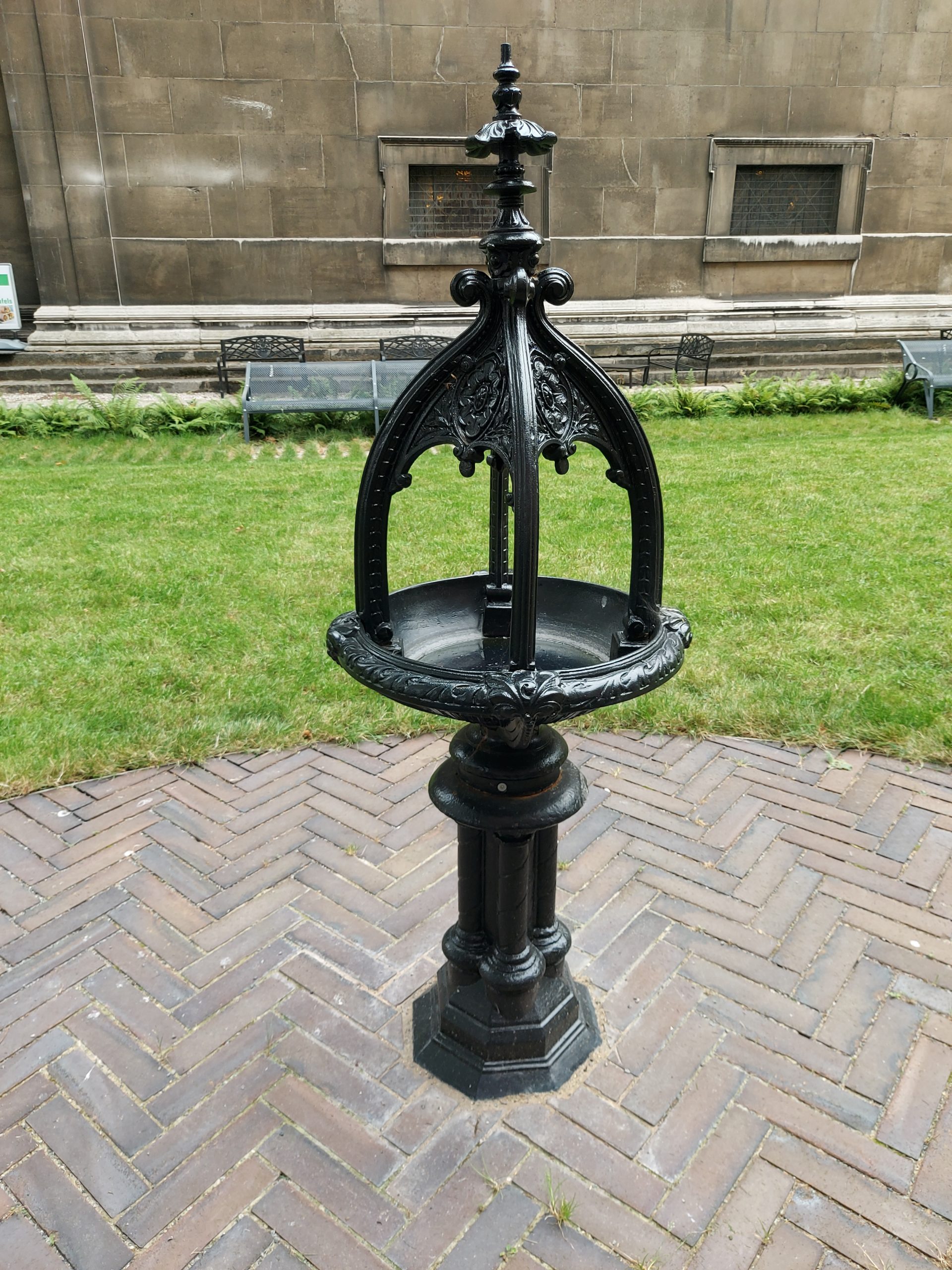
The south vestibule contains a huge memorial to the members of the St Pancras Regiment, dating from World War I. The entrance to the church contains more plaques, including one to those who died in the King’s Cross fire of 1987.There is a lovely peaceful garden at the side of the church, behind the busy main road. It contains a Victorian drinking fountain, dating from the 1880s, which was originally in St James’s Gardens, a space west of Euston station and now lost owing to the work on HS2. From the garden you can see the octagonal tower, which was copied from the Tower of the Winds in Athens. Here also you can see that in places, the Portland stone, now darkened by pollution, has retained its original bright white colour.
Memorial to the St Pancras RegimentPlaque in the vestibule commemorating the victims of the King’s Cross fireThe Victorian drinking fountain
Side view of the church
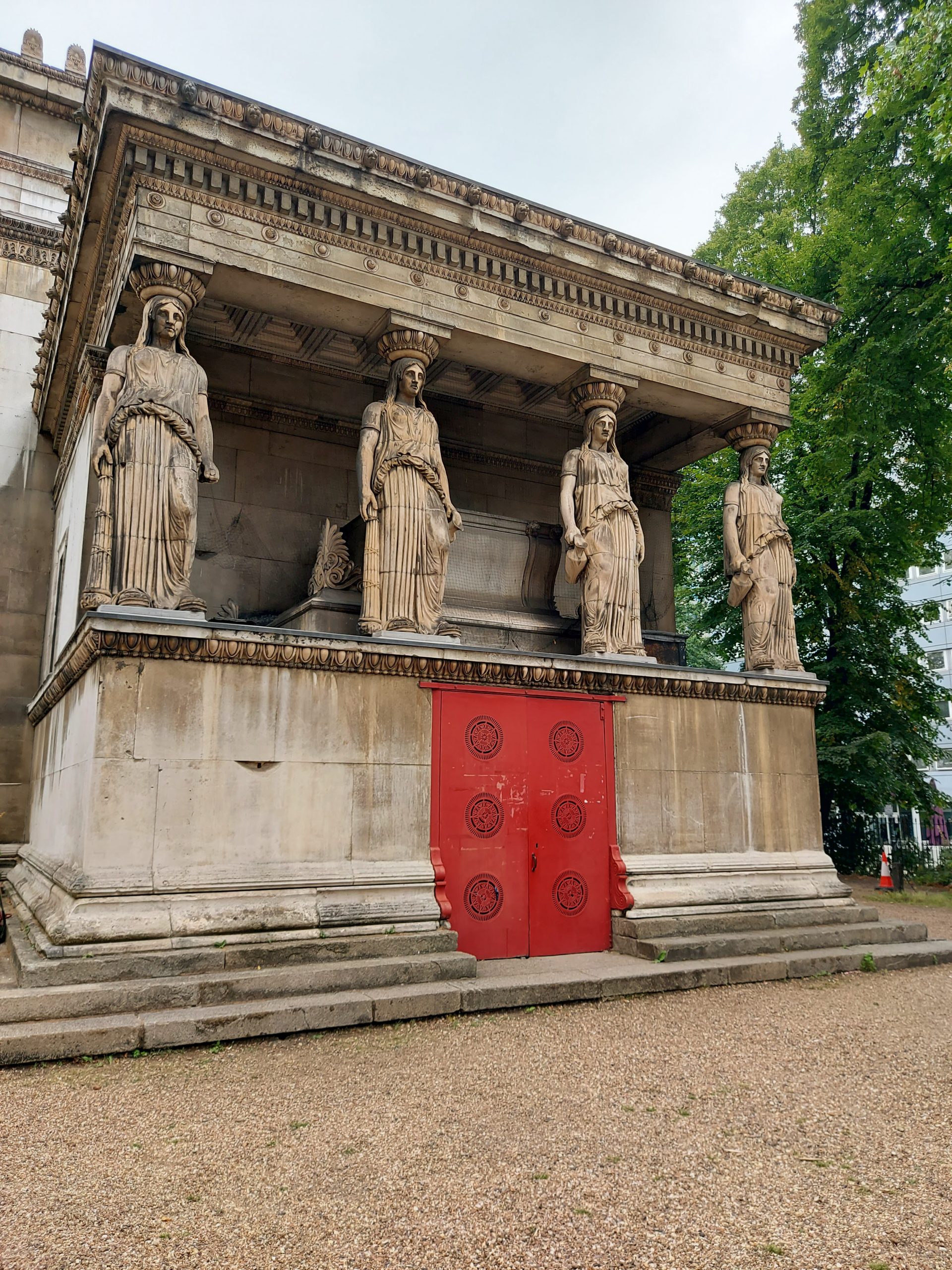
The crypt underneath the church is guarded by caryatids (statues of women holding up the roof). These were also inspired by similar statues in Athens, but had to be shortened in the middle as they were originally too big to fit. Sadly the crypt was closed by the time I got there, but it plays host to regular art exhibitions, so I will have the chance to see it in the future.
Open House London is taking place at the beginning of September this year, not the end, which is slightly discombobulating, Still, I organised myself well enough to plan my weekend, and decided to head up to Enfield to visit Whitewebbs Museum of Transport. The nearest station is Crews Hill, which can be reached via train from King’s Cross or Finsbury Park. From there it is a fifteen-minute walk to the museum, past seemingly every garden centre in outer London.
History
The museum was originally Whitewebbs Pumping Station, built in 1898, one of 16 such stations built to pump water from the well below ground into the New River (actually a man-made canal some 400 years old) in a bit to bring fresh water to Londoners (the river followed a different course at that time, if you’re wondering why no river can be seen nearby). This was later abandoned – most water now reaches Londoners through underground pipes – and the museum team aquired the then-derelict building in 1986. They restored the building, added floors, staircases and a cafe, and populated the museum site with other vehicles and related buildings.
Museum
Inside the building the ground floor plays host to numerous old cars. I’m no expert on vehicles but I do like imagining myself in an early-20th century open-top car with a picnic basket in the back heading out for a relaxing summer’s day, and several of these fit the bill. Others belonged to a later period – the Seventies or the Eighties.
On the first floor, the cafe led into a room full of motorbikes – one a rare Soviet model. Above this was a selection of miniature cars for children, along with an atmospheric mock-up of the kind of situation many old cars are found in – rotting away in old sheds. Alongside this car was a motorbike from the days prior to World War II.
On the first floor
The top floor held other artefacts such as cameras, children’s toys and even a wedding dress. One volunteer excitedly demonstrated the horse racing game, which seemed fairly ingenious. I spoke to a few volunteers in the museum: they were all lovely and very enthusiastic.
Top floor
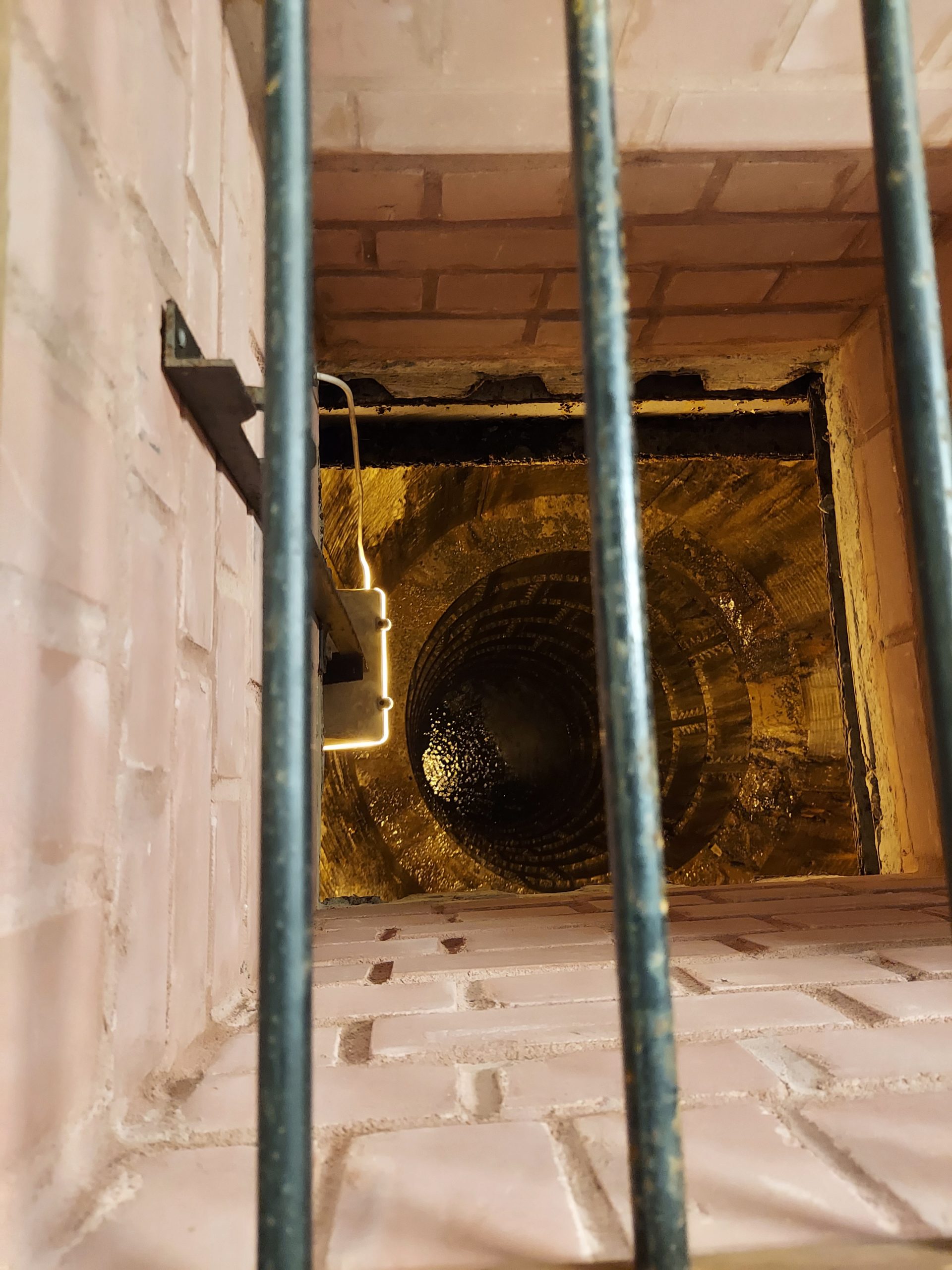
Finally, I was taken down to the basement as part of a small group to see the well whose construction provided the foundation for the entire building. I was convinced I was going to drop my phone in – luckily I managed to avoid this mishap.
View into the well
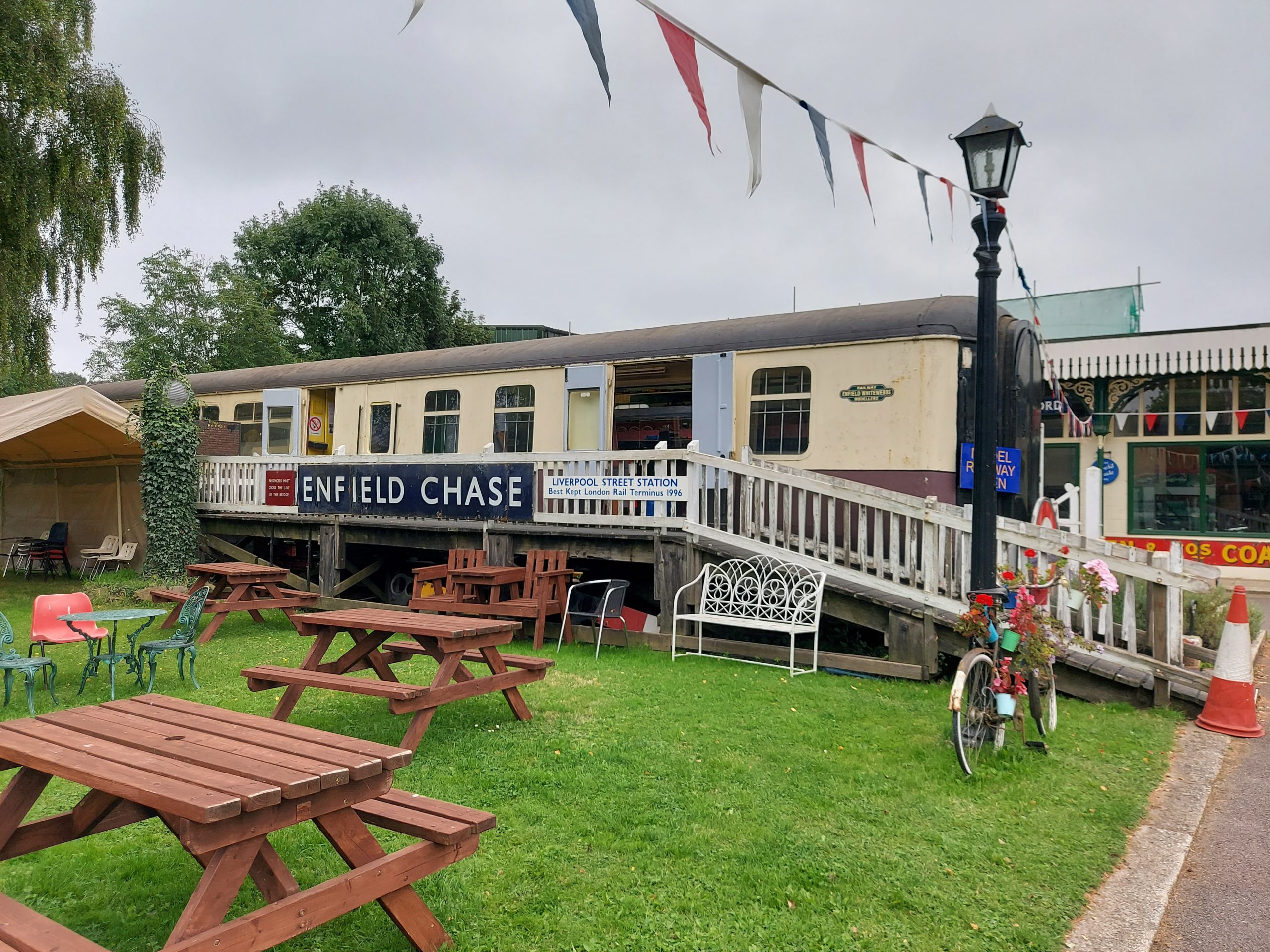
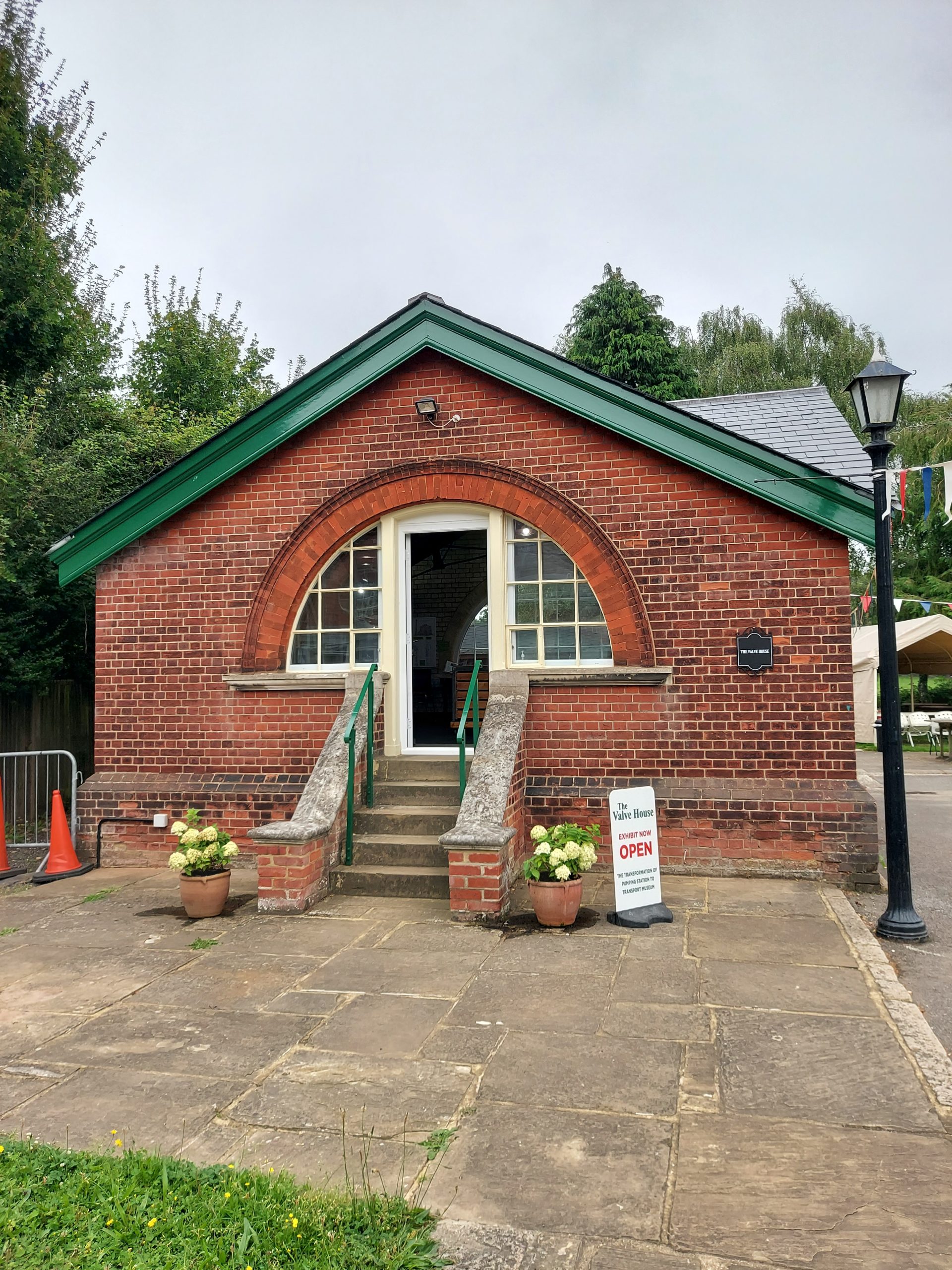
At the back of the museum, there was more to see, including garages, a fire station, ‘shops’ and larger vehicles, including early fire engines – one of which was happily spraying water onto the car park. There was also a railway carriage which played host to a model railway, as well as the original valve house which housed a plan of the original pumping station.
At the back of the museum
Old railway carriage, home to a model railway
The original valve house
Despite the distance, Whitewebbs is a worthwhile place to visit and makes for a pleasant day out.
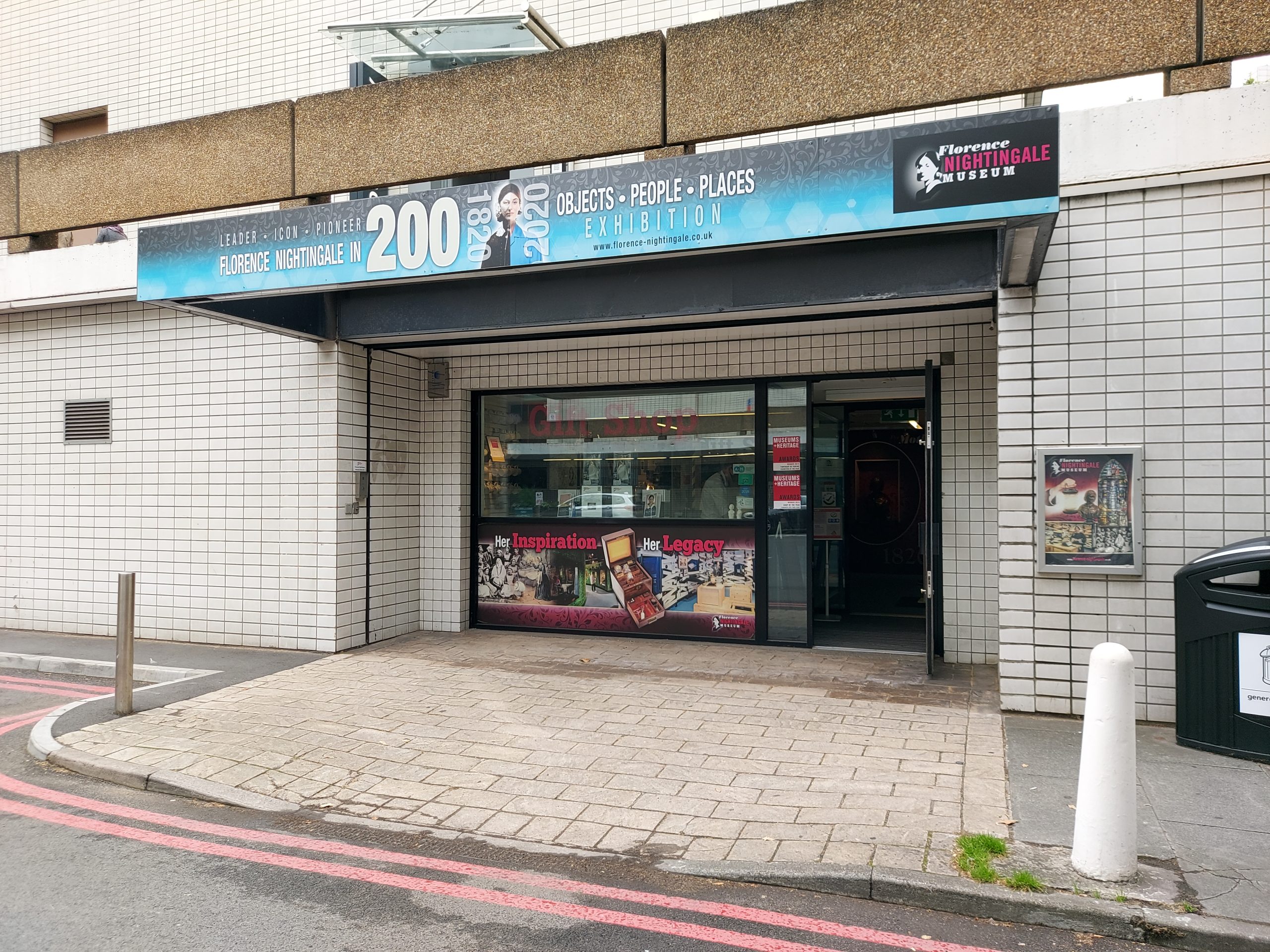
On the Saturday before I went back to work, I headed down to the Florence Nightingale Museum. I had been planning to go for a while, but then COVID hit. The museum has reopened – albeit only on the first full weekend of each month – so I took this opportunity to visit. The museum, which is on the site of St Thomas’ Hospital, can be reached via Waterloo station or via Westminster station and then crossing Westminster Bridge, which is how I got there.
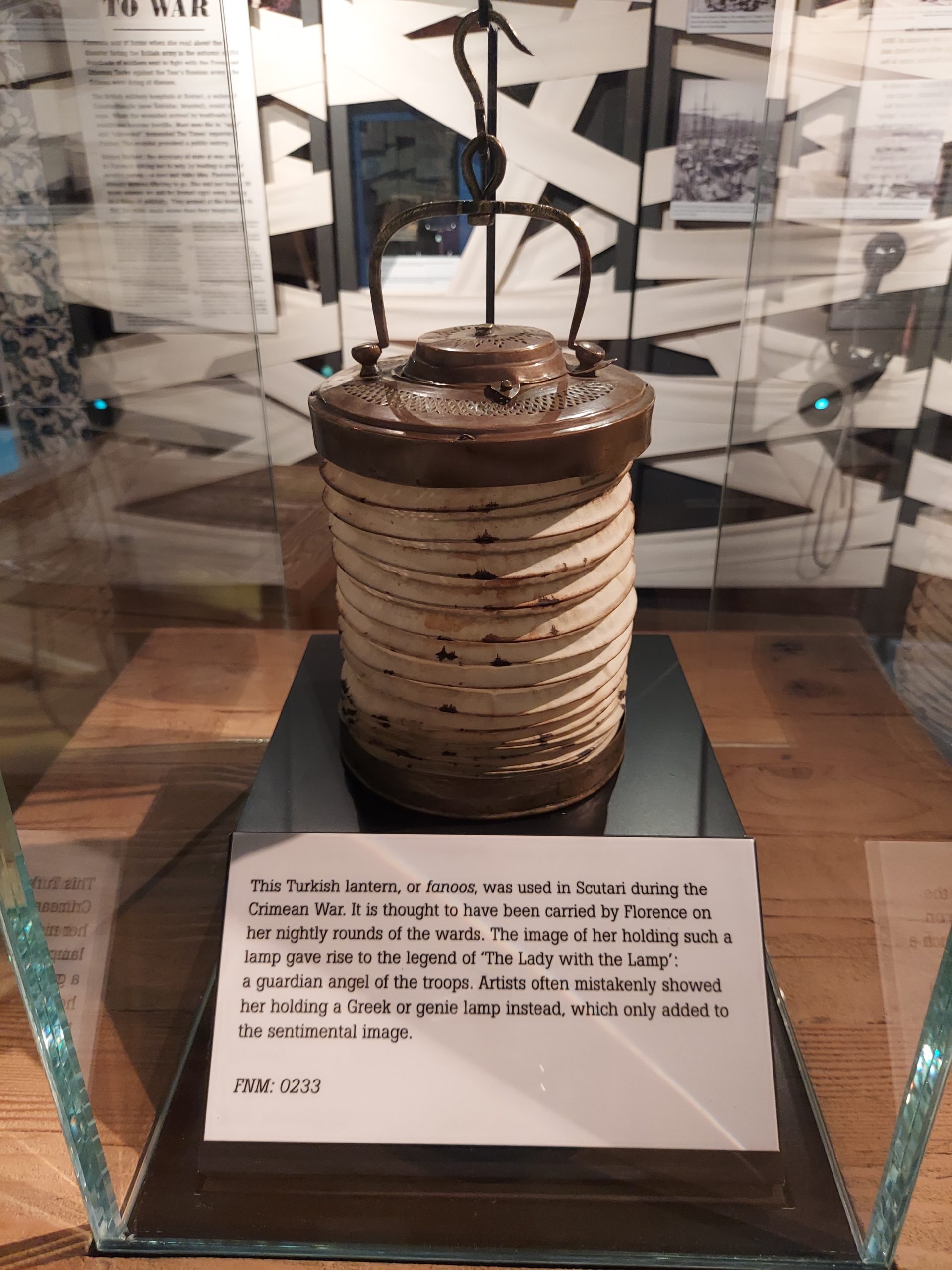
Florence’s famous lamp
The museum explores the life of Florence, the famous Crimean War nurse who was known as “The Lady with the Lamp”. The current exhibition Florence Nightingale in 200 Objects, People & Places marks the 200th anniversary of Florence’s birth in 1820 (originally planned for 2020, the exhibition has been extended into 2021). In the museum and exhibition there are countless artefacts that bring Florence to life and tell her story.
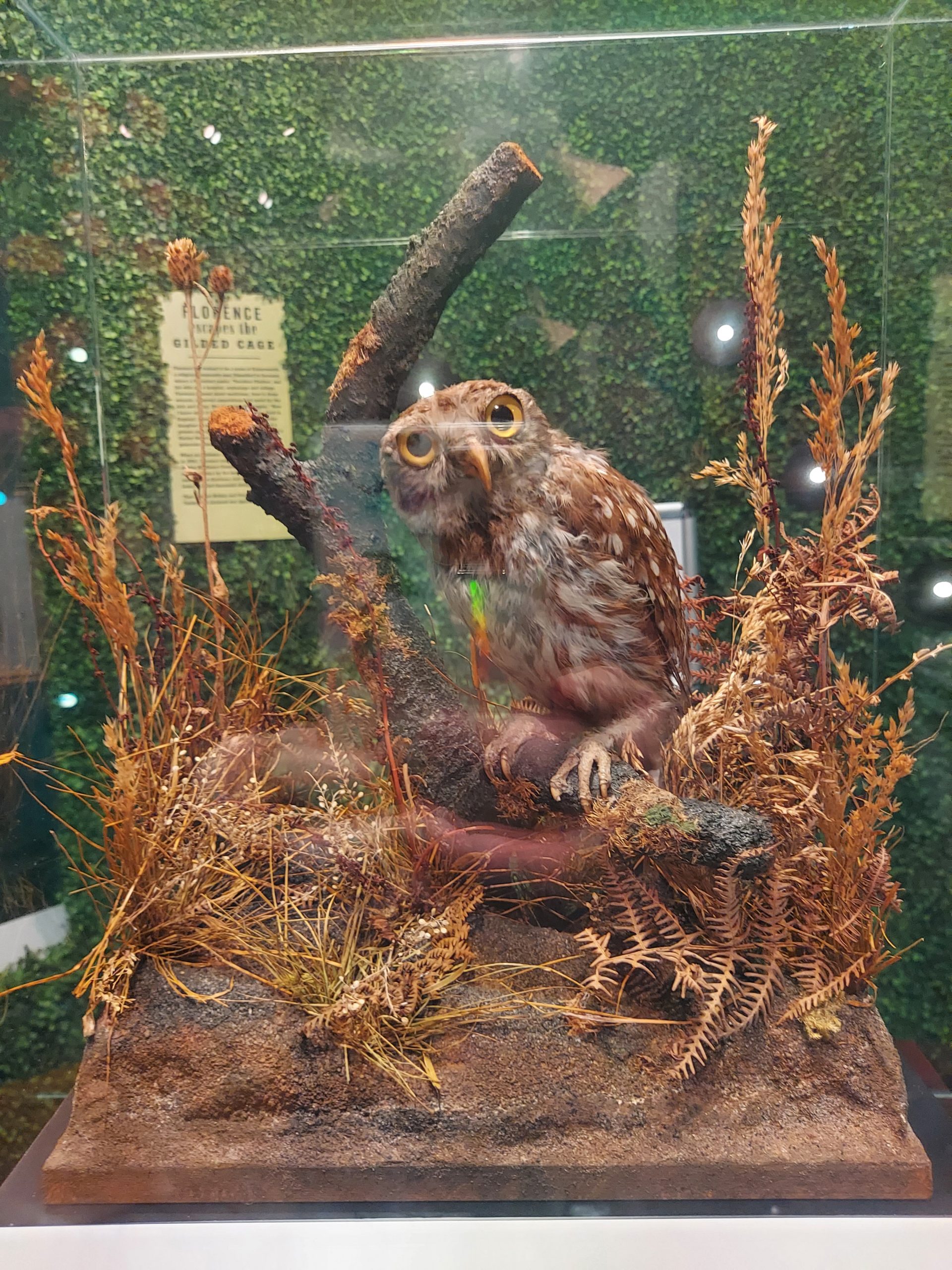
Athena, Florence’s pet owl
The first section of the museum covers Florence’s childhood, growing up in a middle-class educated family. Artefacts such as photos, sketches and books belonging to her and her sister Parthenope are displayed here, alongside more unusual exhibits such as Florence’s pet owl Athena, stuffed after its death. Bibles and prayer books show Florence’s religious faith, and other books and novels reveal the breadth of her education.
Pictures of Florence and her sister
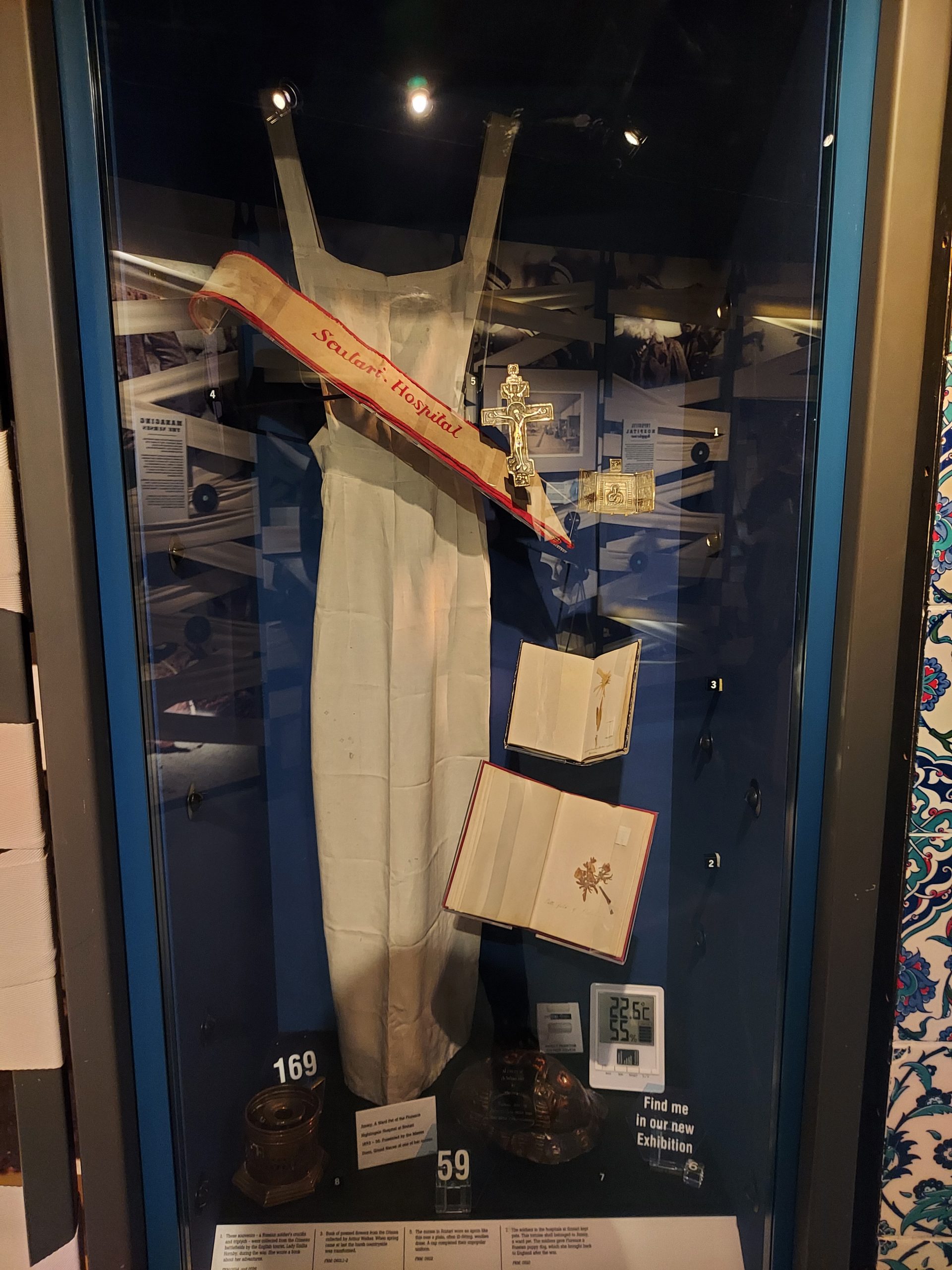
The next section looks at the time Florence spent nursing in the Crimea, with artefacts from the time including medicine chests, nurse’s uniforms and record books. Florence’s main strengths were in management and organisation, and she kept her trainee nurses in line – sometimes rather strictly. She also – crucially – implemented hygienic practices such as handwashing, which helped to reduce the death rate, as most soldiers died due to poor sanitation rather than injuries.
Nurse’s uniform and artefacts
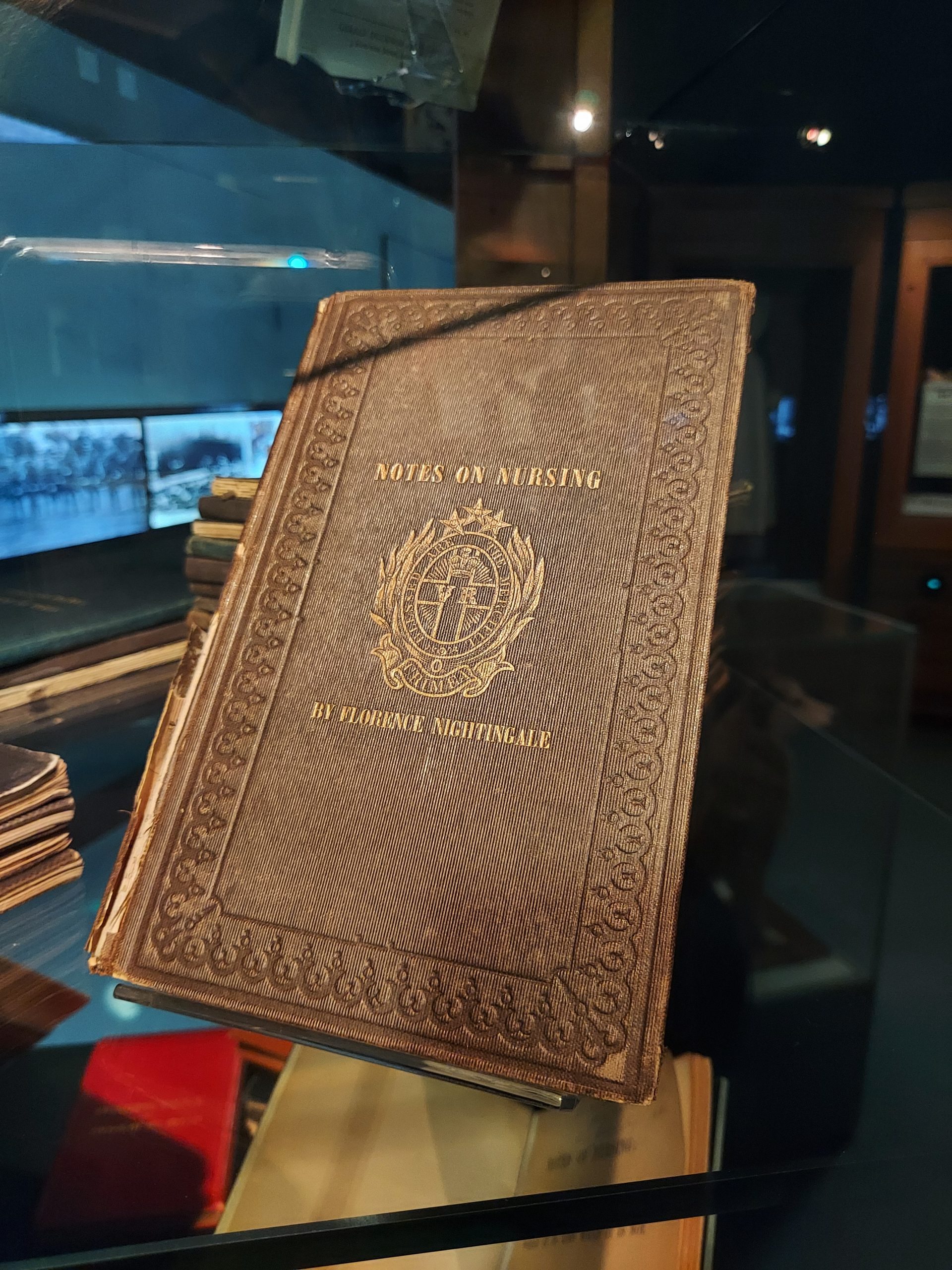
After the Crimea, Florence set up a nursing school back in England and published Notes on Nursing, a classic of the genre. She influenced the sphere of nursing for decades to come. This section also looks at nursing in a wider context, and features other notable nurses such as Edith Cavell (her stuffed dog is on display here) and Mary Seacole. The special exhibition section at the back of the building had lots more objects including letters, photographs, documents, and even a Florence Nightingale Barbie which was released last year.
Nightingale’s ‘Notes on Nursing’
The museum is well worth a visit: it has plenty to see and everything is well organised and displayed. Book a visit soon and support this small but worthwhile museum.
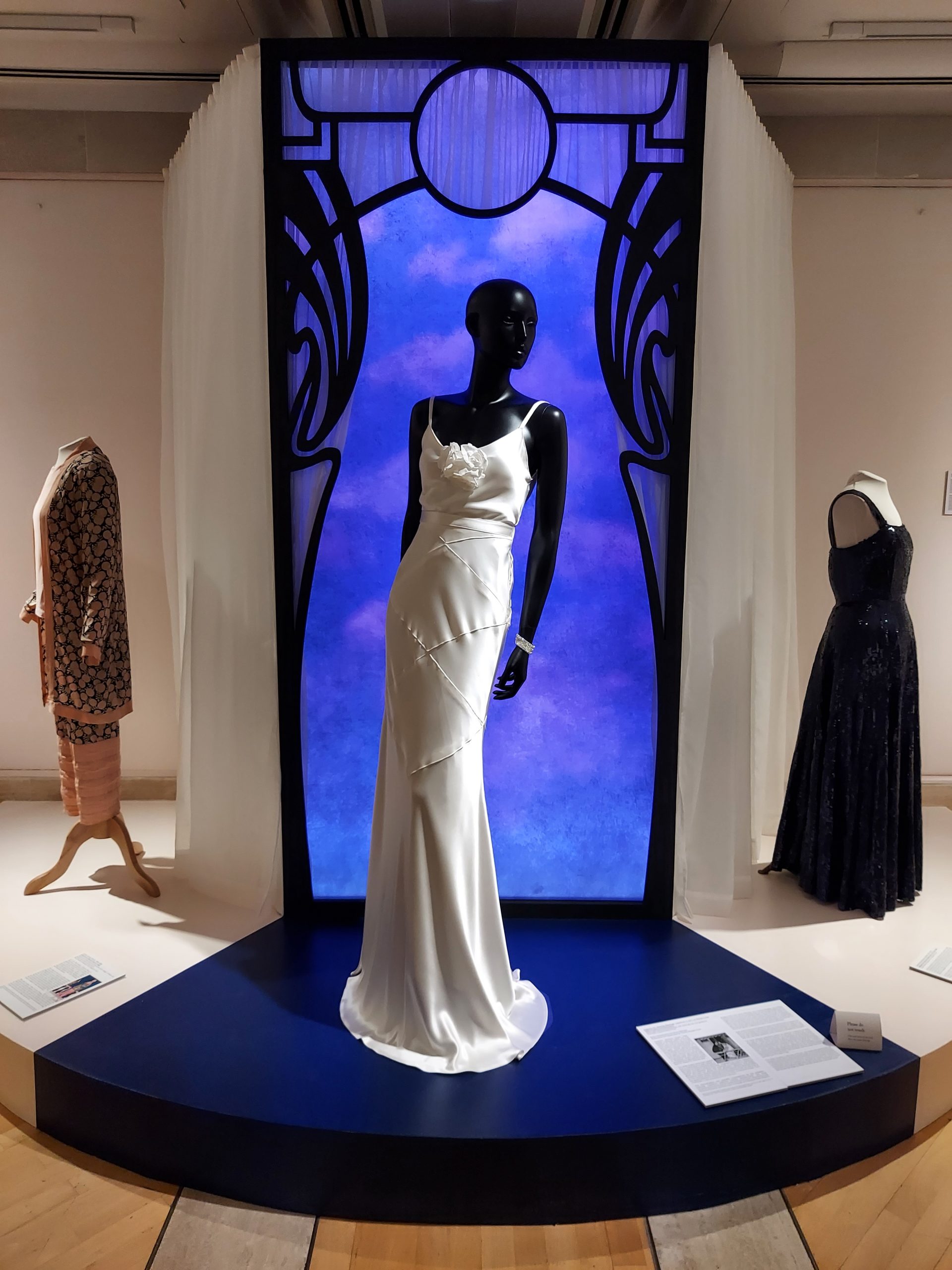
On the last day of my leave I decided to head to the Guildhall Art Gallery to see the Noël Coward: Art & Style exhibition. This free exhibition runs until December and focuses on the visual aspects of Coward’s style – his personal appearance, his various homes and also his stage shows. In the exhibition, dresses worn by actresses performing his work, outfits worn by Coward himself, and items from his personal collection are displayed.
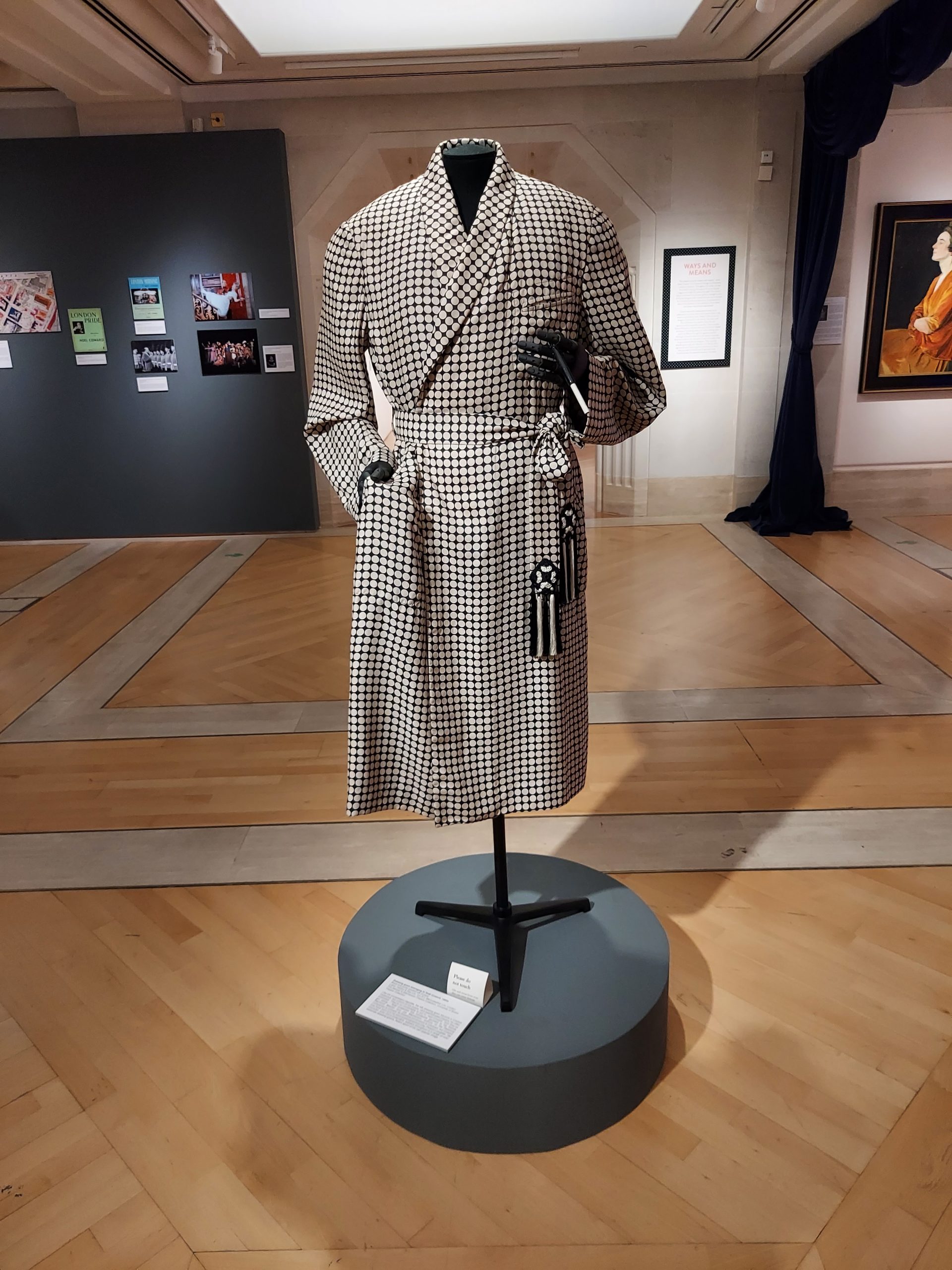
One of Coward’s famous dressing gowns
Coward was born in Teddington and grew up in a middle-class family. He performed on stage as a child and this gave him a taste for the theatre. Starting out as a song and sketch writer, Coward penned many musical revues and began to collaborate with artists, couturiers and designers including Cecil Beaton and Gladys Calthrop to create stylish looks for his shows.
Some of the beautiful dresses worn by female stars of Coward’s shows
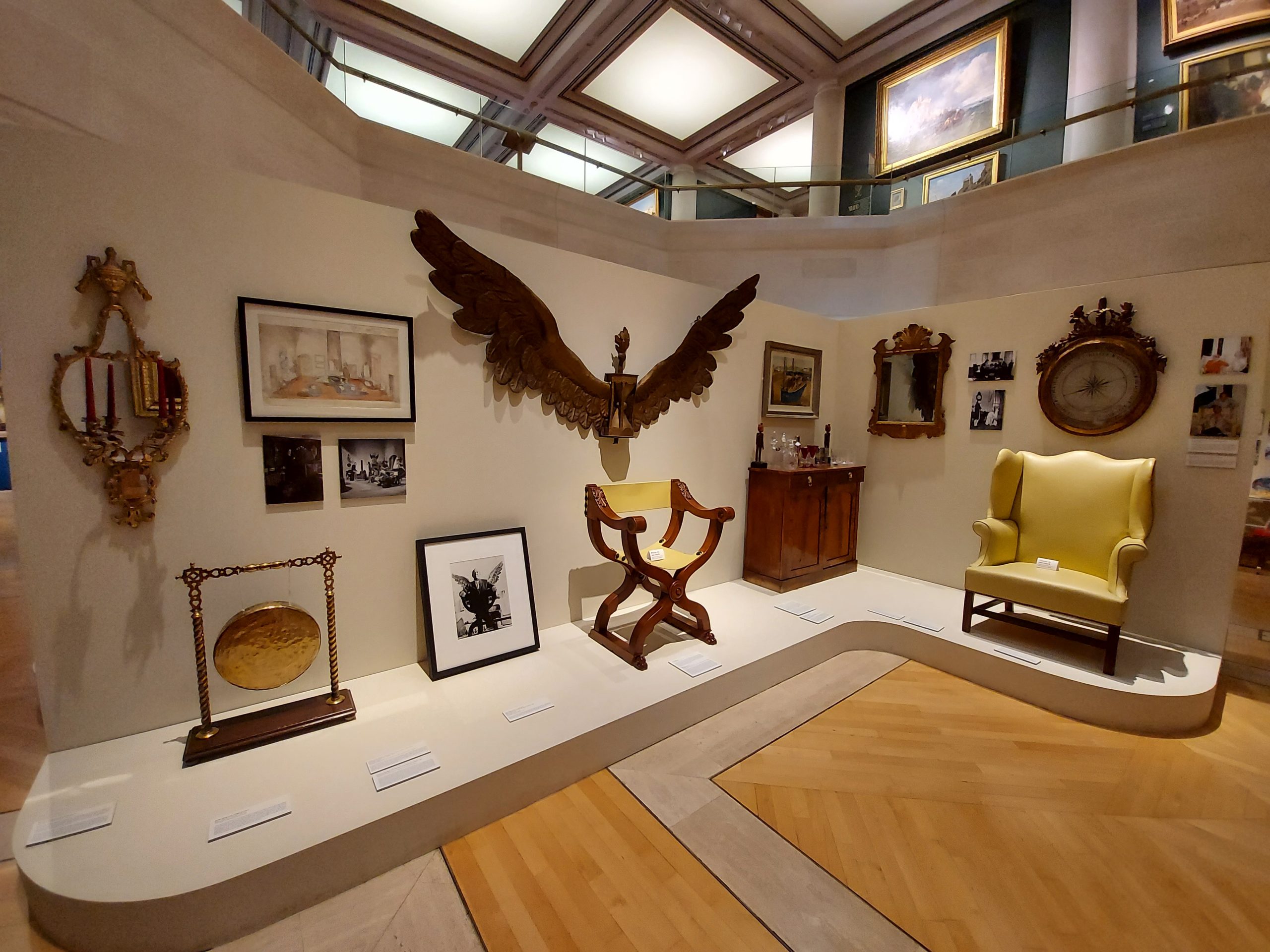
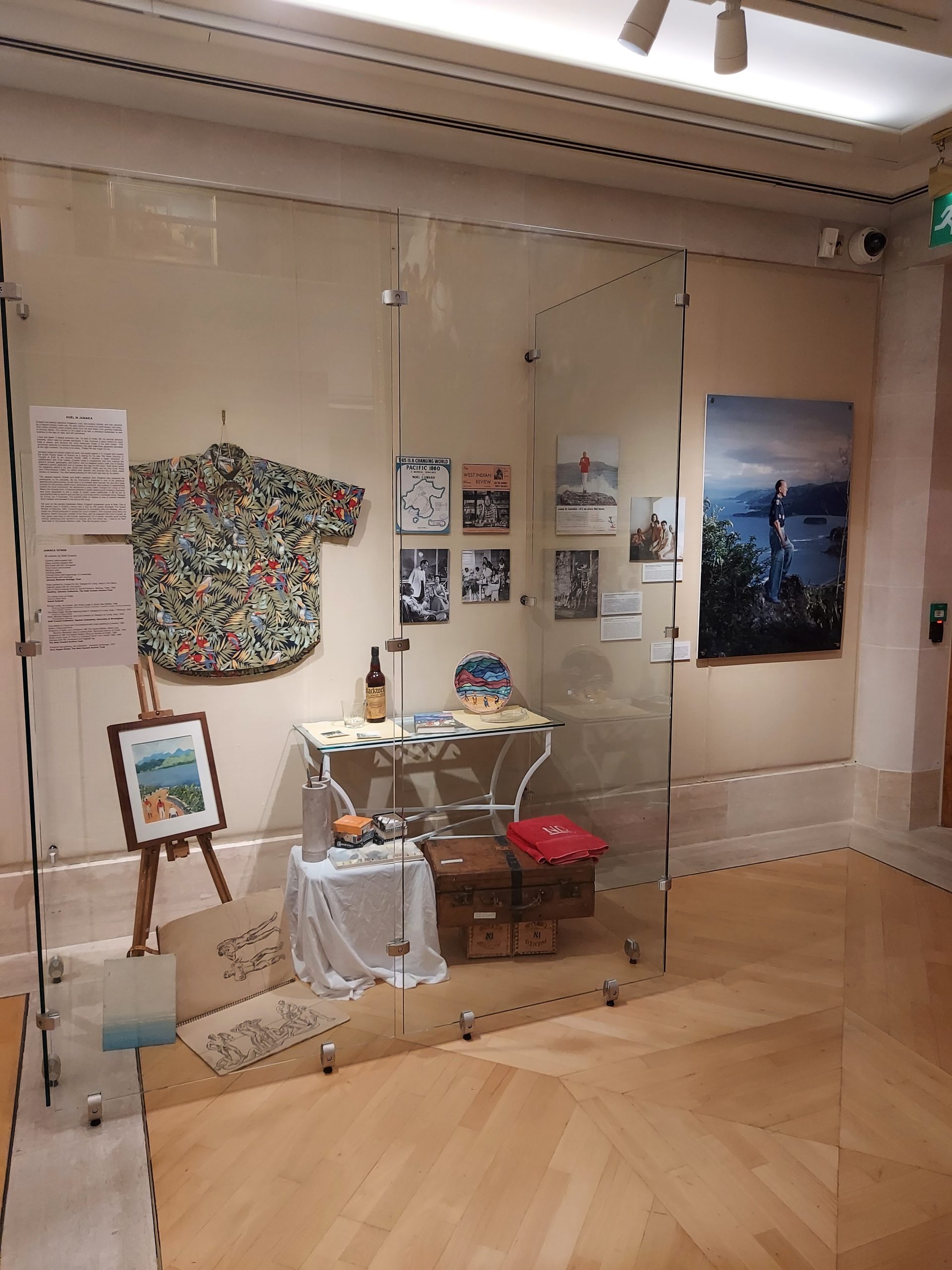
Aware of his public image, Coward perfected the art of appearing in promotional pictures in his trademark silk dressing gown. He was an amateur painter, and spent much of his relaxation time in Jamaica developing his style. He decorated his various homes in the UK and abroad with items that became instantly recognisable. In the exhibition, items themselves are displayed alongside photographs of Coward that feature them.
Some of Coward’s favourite pieces of furniture
Even after Coward’s death, his popularity has remained and his works are constantly being reinvented and restyled. The costumes for the 2020 film adaptation of Blithe Spirit, for example, were inspired by Coward and his world.
Clothing and household items used by Coward in Jamaica
This exhibition is fascinating and hugely detailed. The fact that it is free is fantastic – I would normally expect an exhibition of this calibre to charge an entrance fee. It’s worth seeing for any fans of Coward, or indeed any fans of 20th century style.
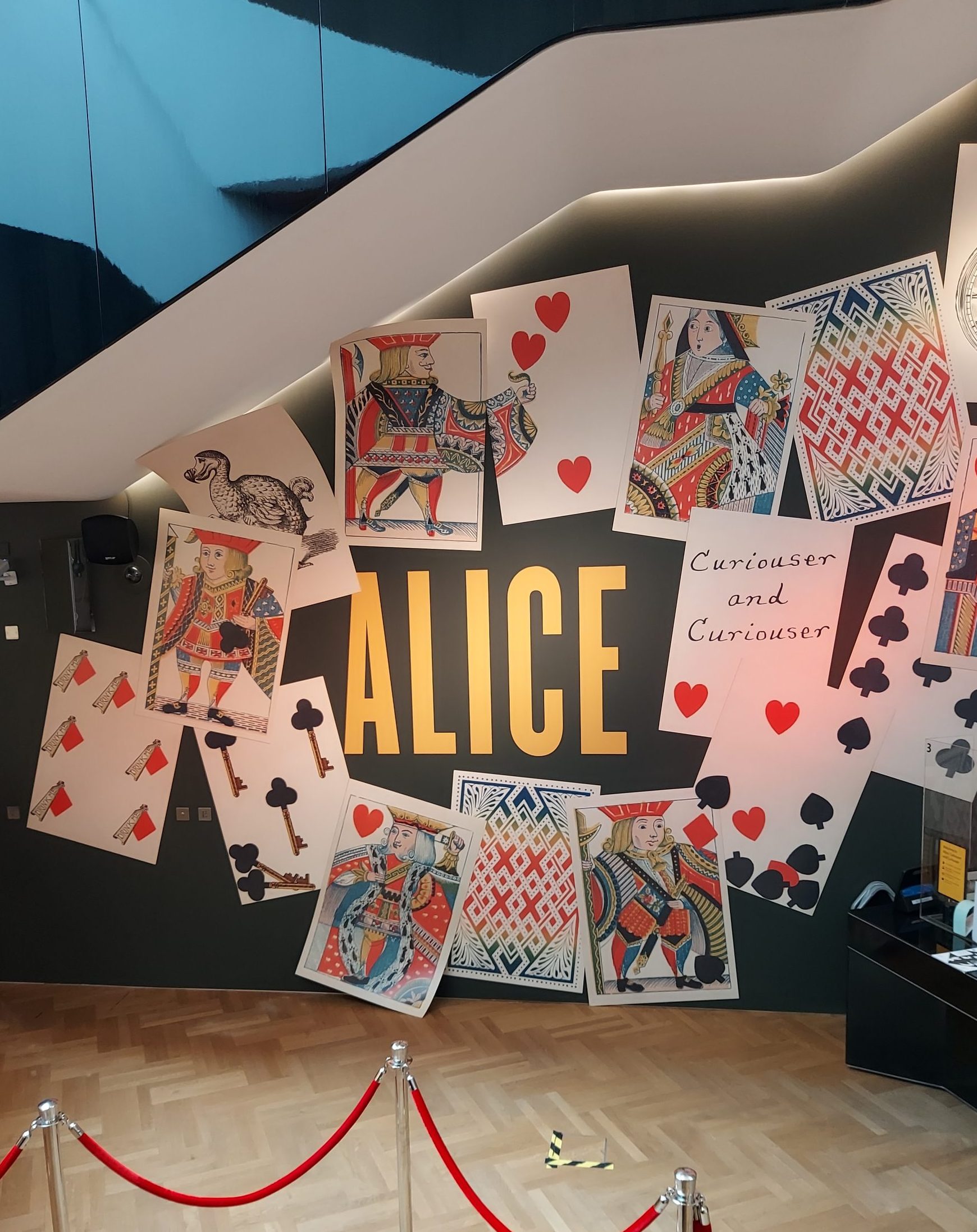
Alice’s Adventures in Wonderland and its sequel, Through the Looking Glass, and What Alice Found There, are two of my all-time favourite books and I’ve loved them since I was a child. I was excited, therefore, to hear about the V&A‘s new exhibition, Alice: Curiouser and Curiouser. The exhibition looks at the story’s beginnings as a tale told by Charles Lutwidge Dodgson (aka Lewis Carroll) to the three daughters of the Dean of Christchurch one sunny day in Oxford, to its legacy in film, fashion, art, literature and the public imagination.
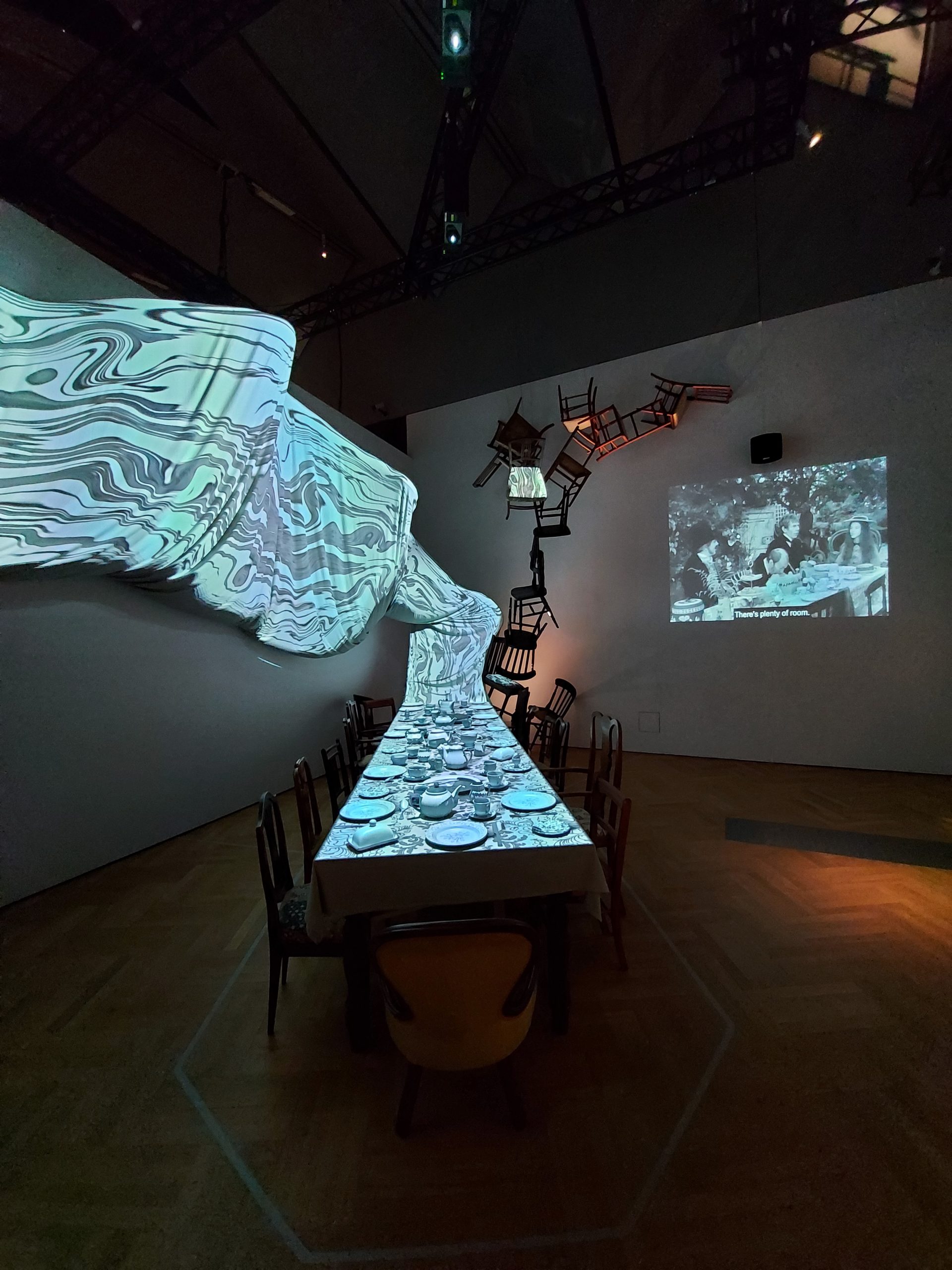
The Mad Hatter’s tea party with Jonathan Miller’s Alice film
The first room of the exhibition is devoted to the creation and initial reception of Alice, with pictures, manuscripts and photographs related to the original books. Some of my favourite exhibits were original drawings by John Tenniel, first illustrator of the published Alice, and photographs of Carroll and the Liddell children, particularly Alice herself who inspired the original tale. This section of the exhibition also incorporates contemporary Wonderland merchandise, such as a chess set.
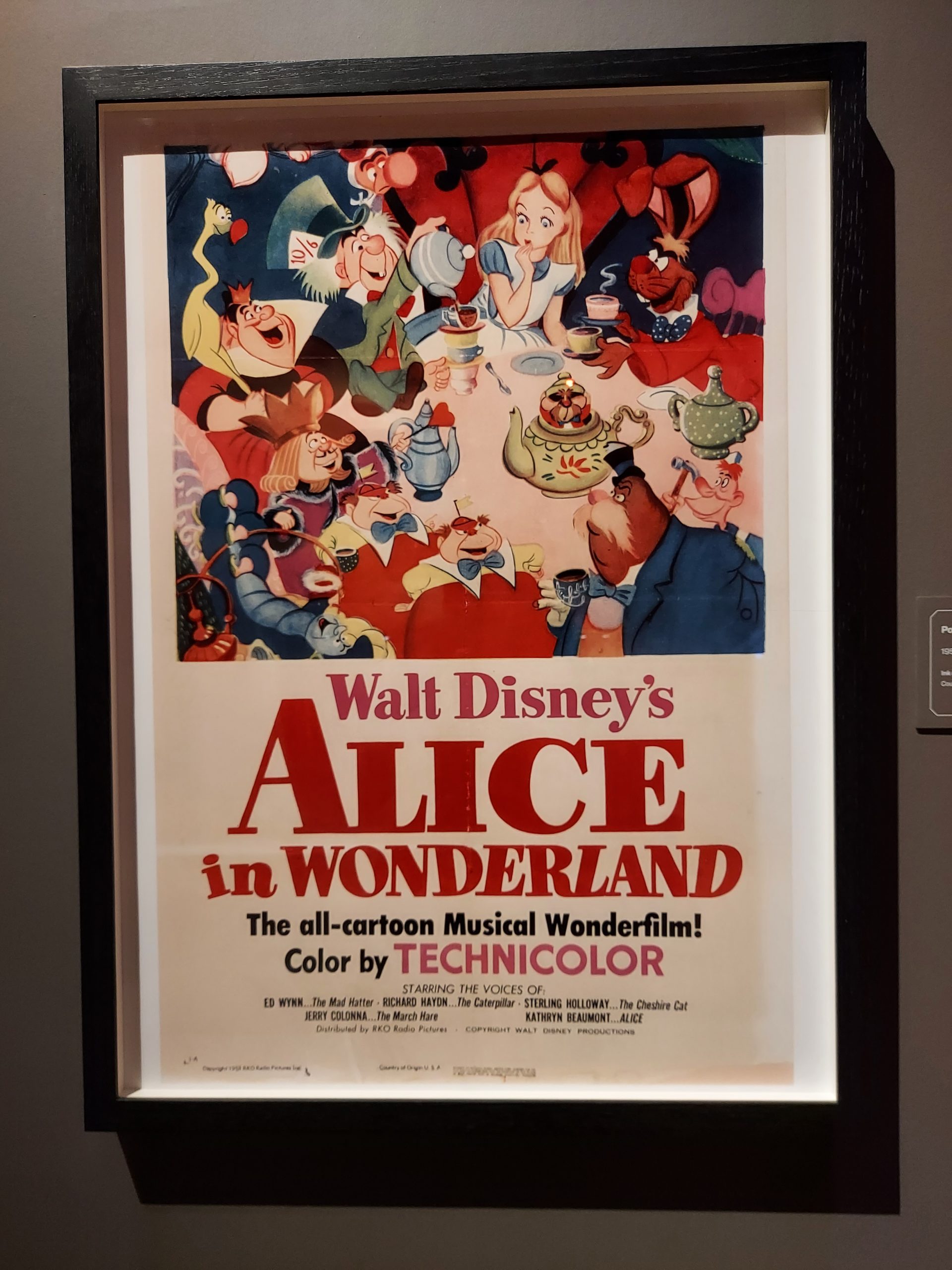
Poster for Disney’s Alice in Wonderland
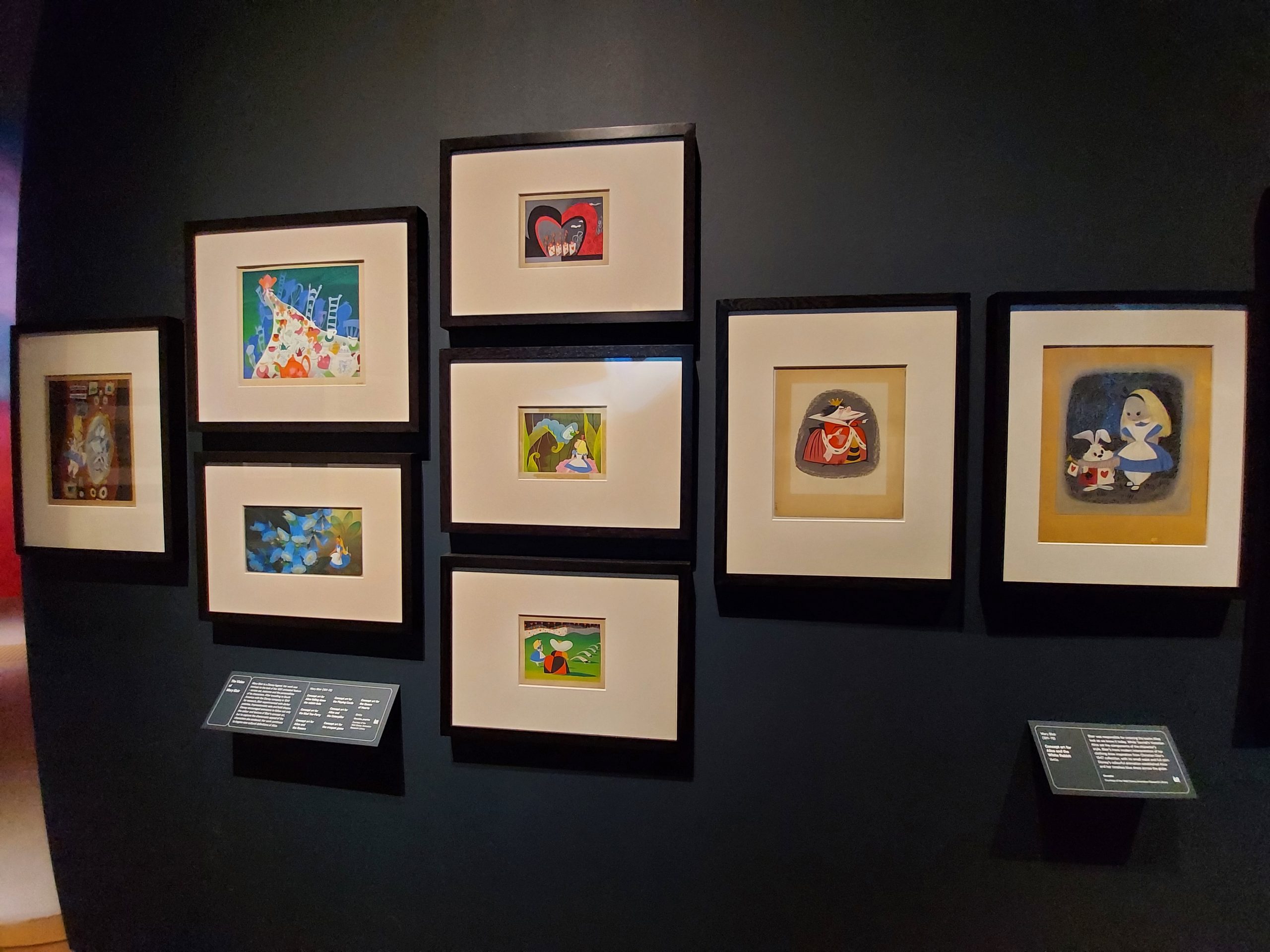
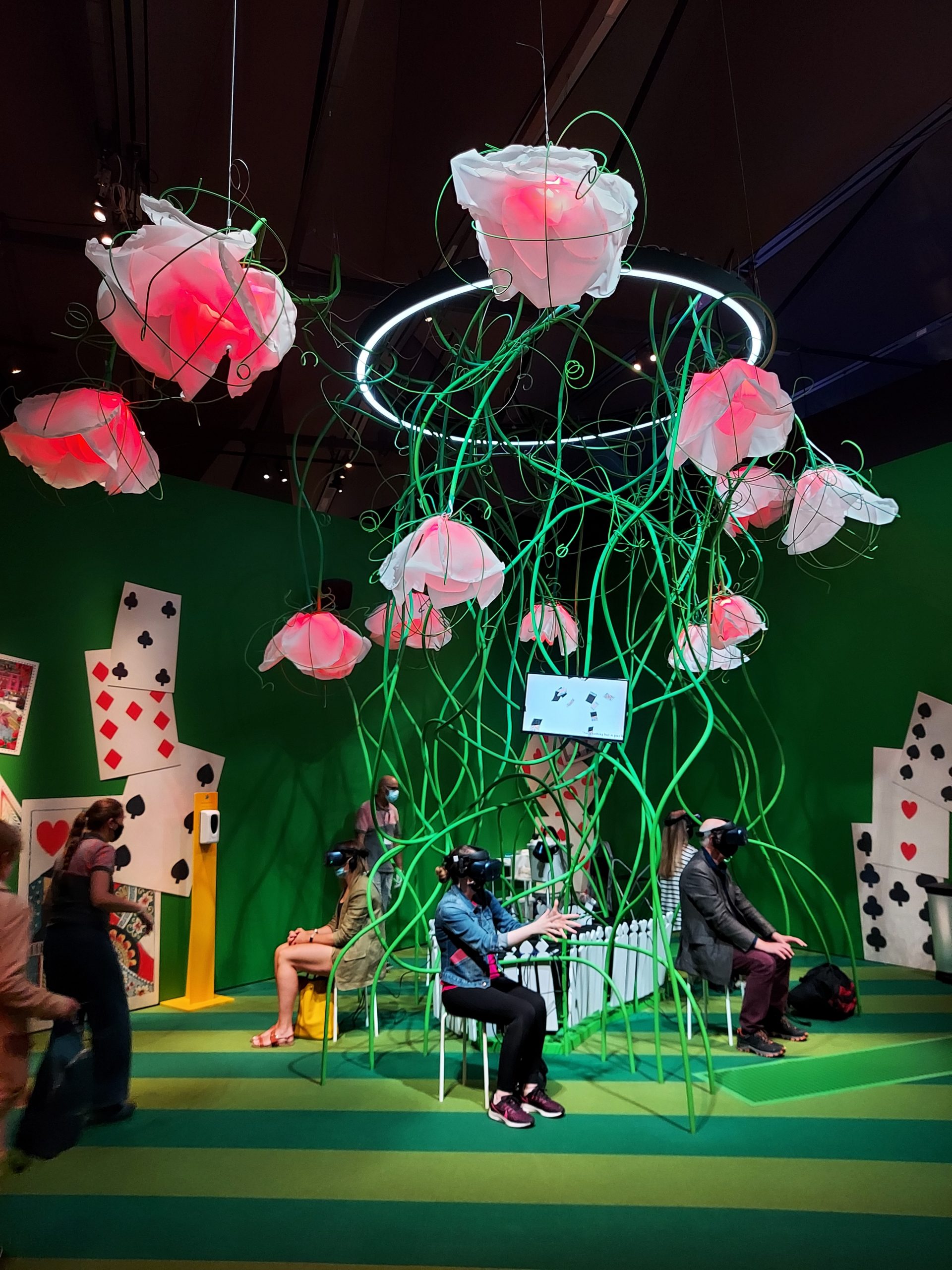
The exhibition then moves on to look at how Wonderland has been explored and interpreted over the last 150 years, making use of interactive exhibitions and beautifully staged sets. One room shows the Mad Hatter’s and March Hare’s tea party alongside clips from Jonathan Miller’s dreamlike adaptation from 1966. Another features an interactive virtual reality experience which lets you play croquet with the Queen of Hearts. A side room contains stills from Disney’s animated Alice in Wonderland – my favourite film adaptation – alongside works by Mary Blair which inspired the look of the movie.
Stills from the Disney Alice
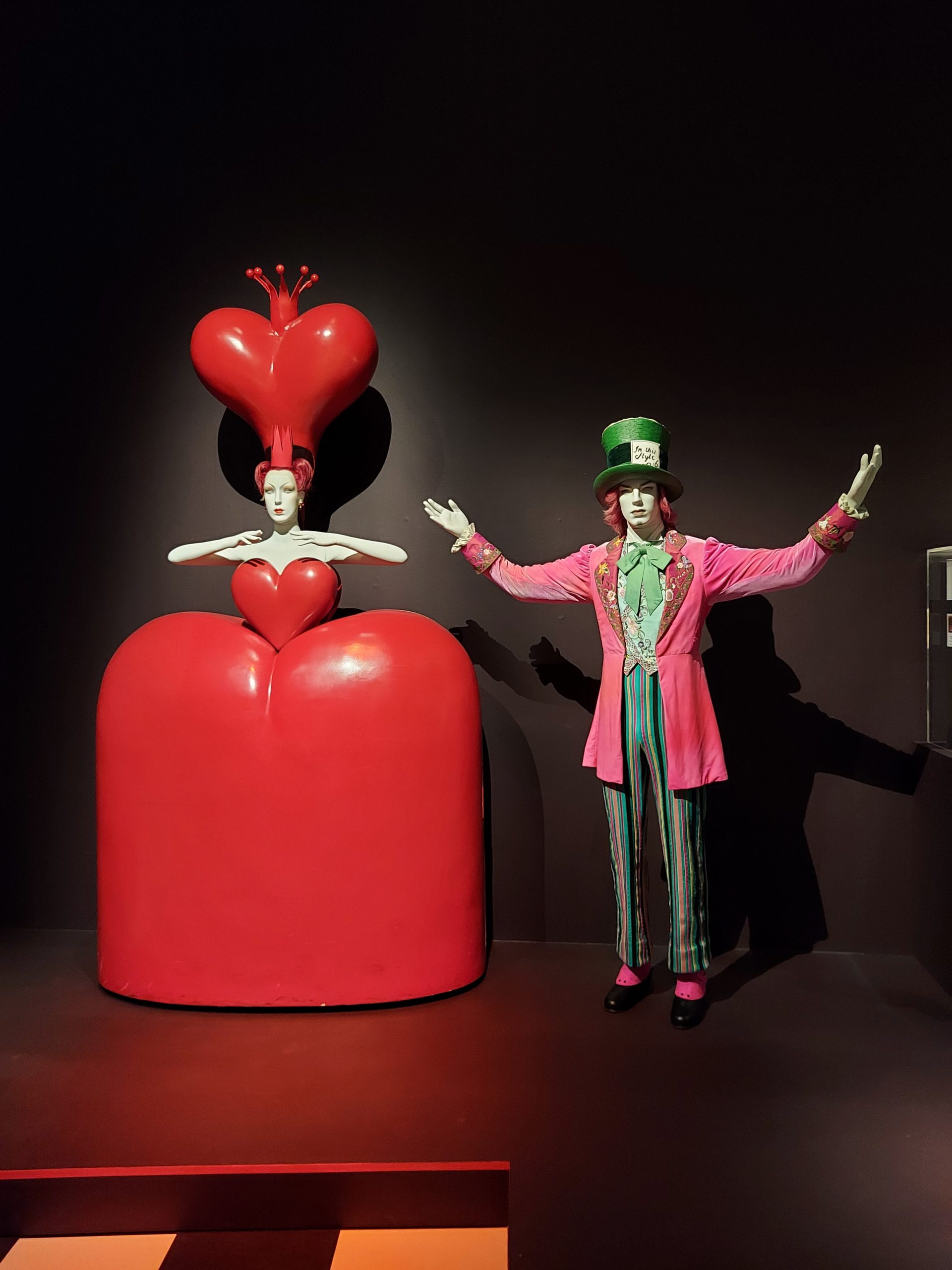
Later exhibits explore the inspiration of Alice’s look in modern fashion shoots, as well as stage adaptations such as the Royal Opera House’s recent ballet. The power and fascination of Alice and her world continues to inspire.
ROH costumes: the Queen of Hearts and the Mad Hatter
I loved this exhibition and it is a must-see for Alice fans. It is accessible to those who only know the main story but has plenty for those with a keener interest. Definitely recommended.
On the Wednesday of my day off work I headed down to Dulwich Picture Gallery to see their latest exhibition. Unearthed: Photography’s Roots was described as looking at the “pioneering story of photography from the 1840s to today told through stunning still lifes of plants and botany.” The exhibition began with Victorian still life pictures by early pioneers such as William Henry Fox Talbot and Anna Atkins. Most of these were of flowers and other plants – ferns were a popular choice, as these were a passion for many Victorians. Also on display were photographs by Japanese artist Kazumasa Ogawa and English gardener Charles Jones. Jones’ pictures were particularly interesting knowing the background behind them – they were discovered in a trunk at Bermondsey Market in 1981, 20 years after his death.
Later in the exhibition, more modern versions of still life pictures were displayed by the likes of Robert Mapplethorpe and Richard Learoyd, using many of the same techniques as the Victorian photographers. I definitely preferred the nineteenth century images, early photography being an interest of mine, but the later pictures had merit too.
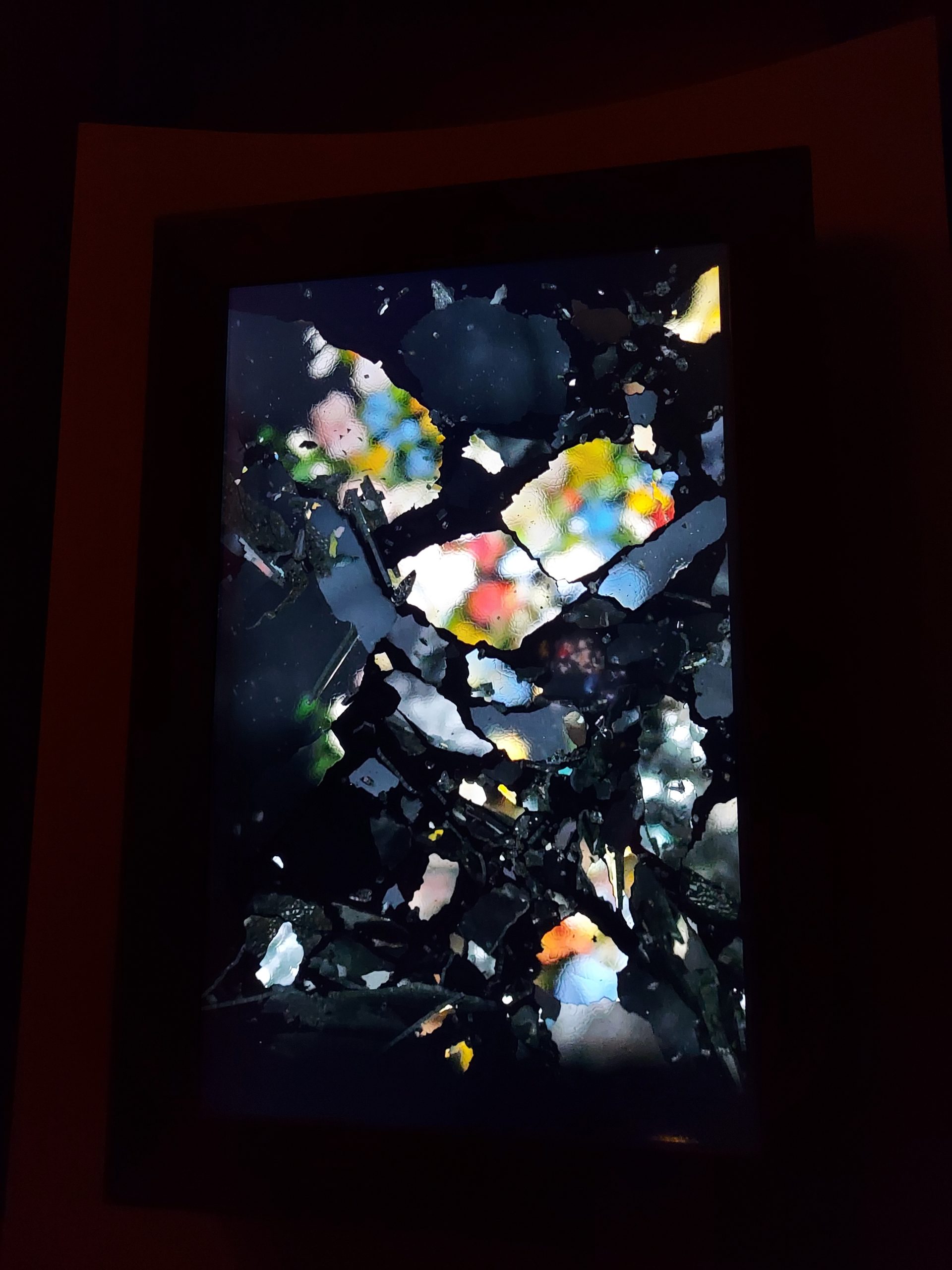
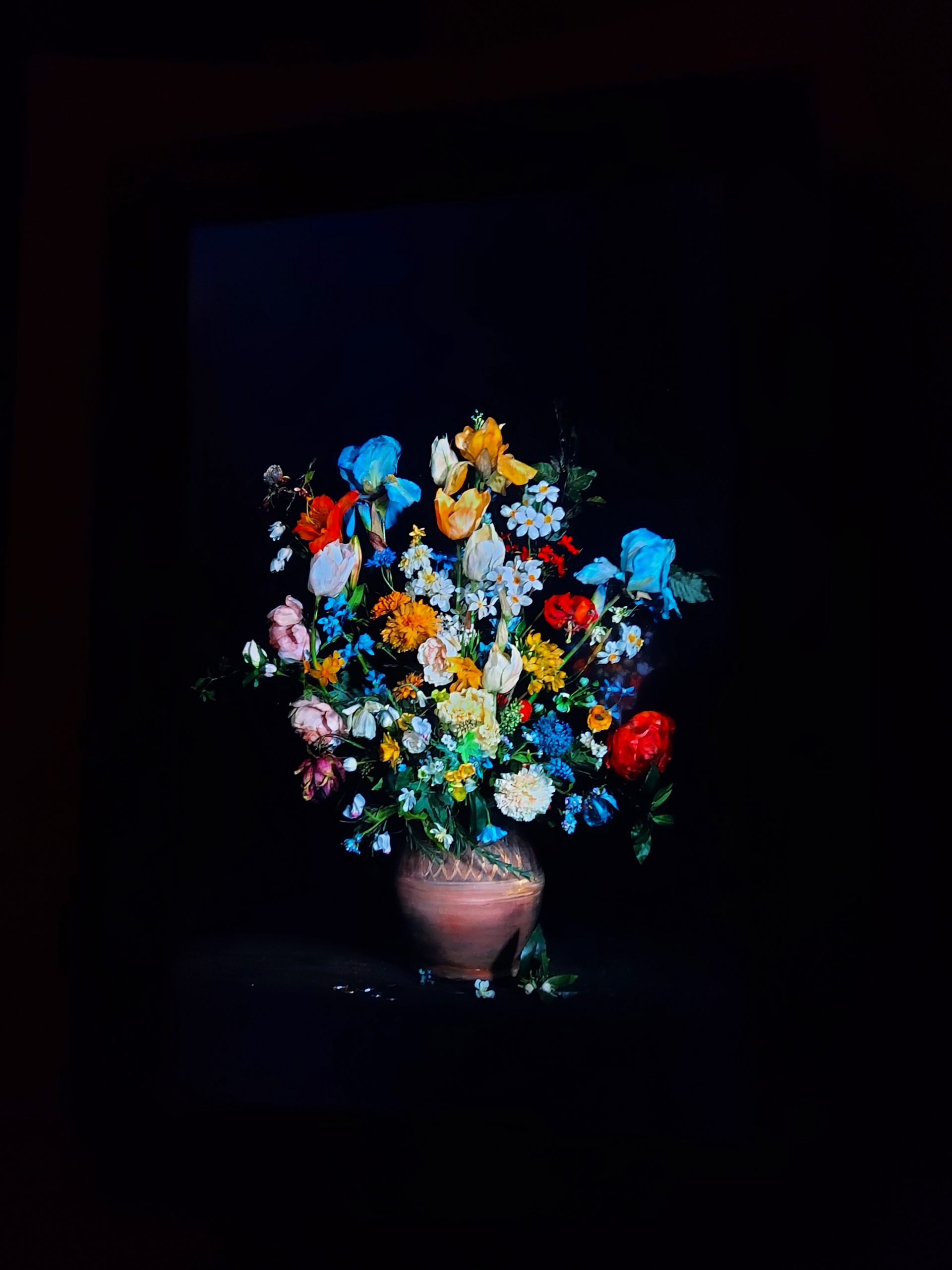
In the mausoleum, an installation from Ori Gersht was displayed, based on a still life painting by Brueghel the elder. It showed the painting ‘cracking’ like a mirror and coming back together, which was compelling to watch.
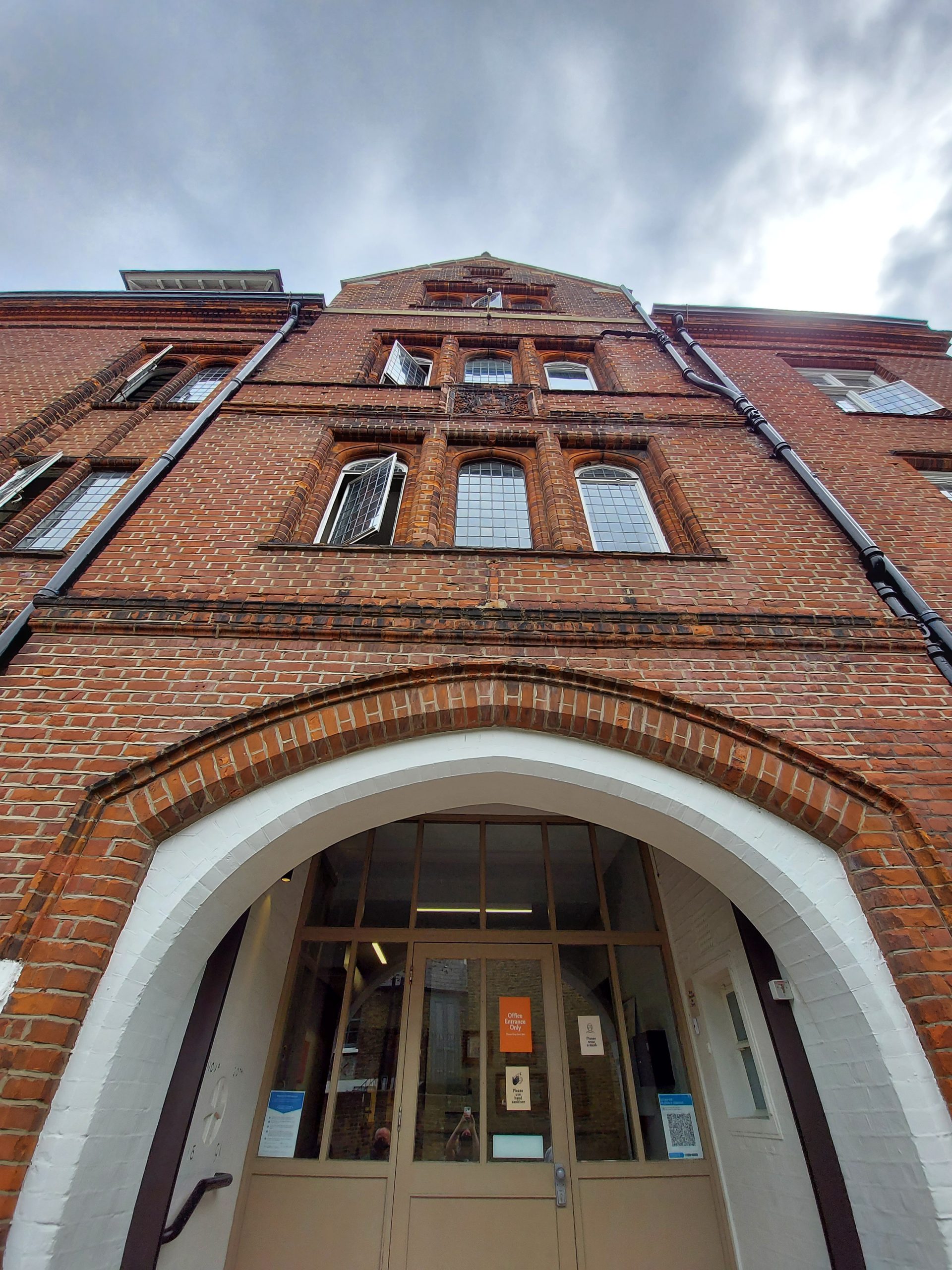
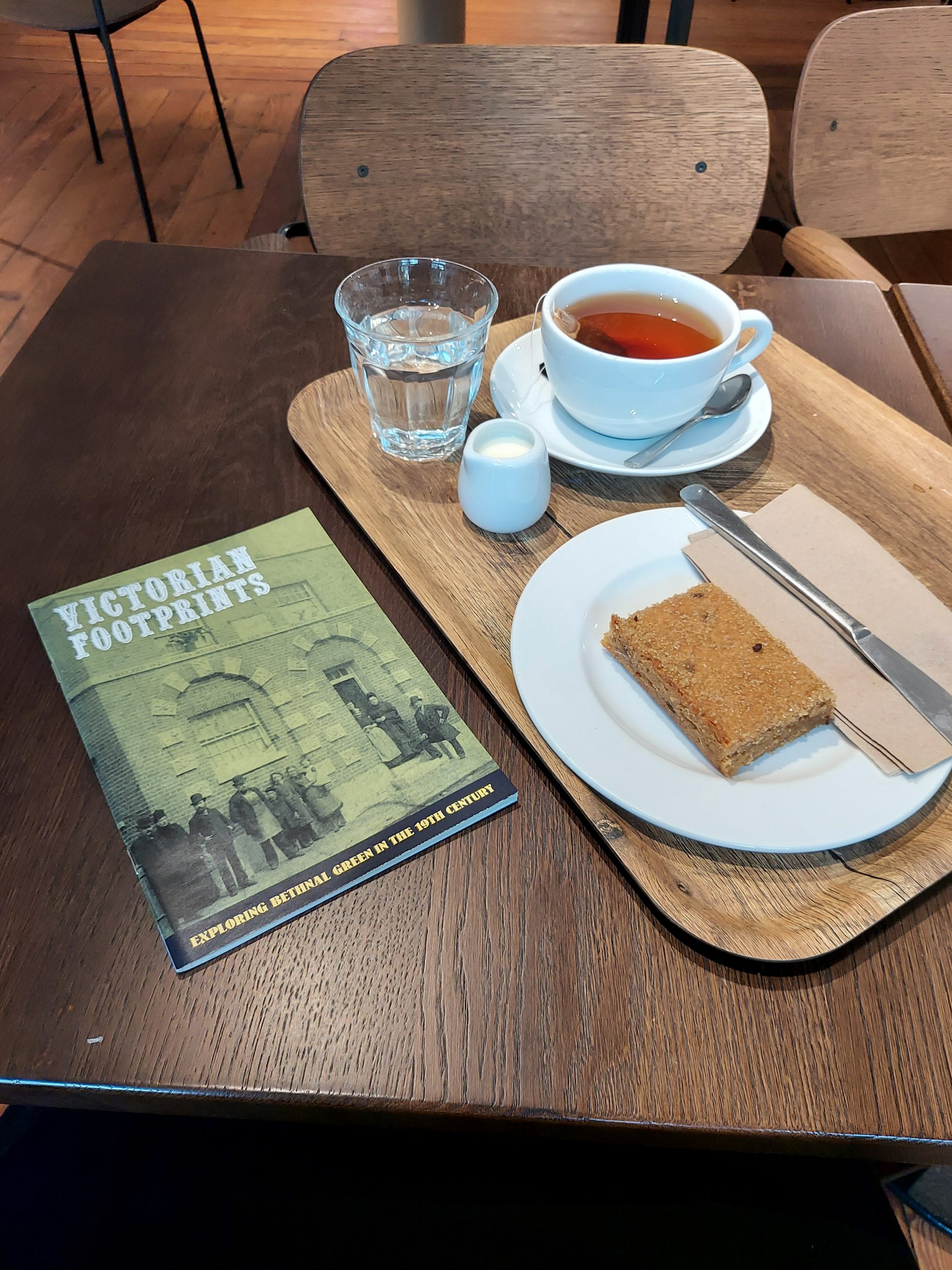
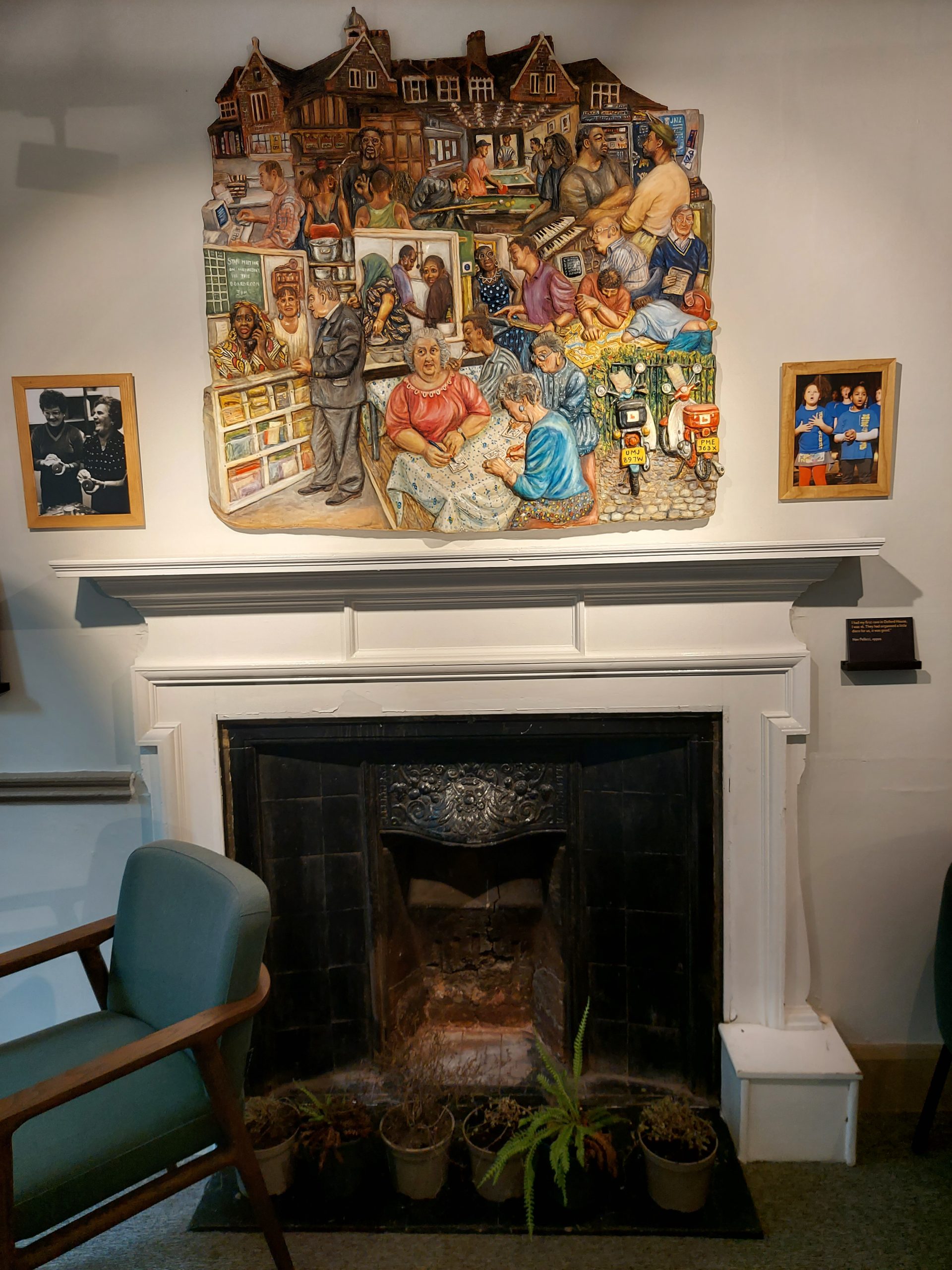
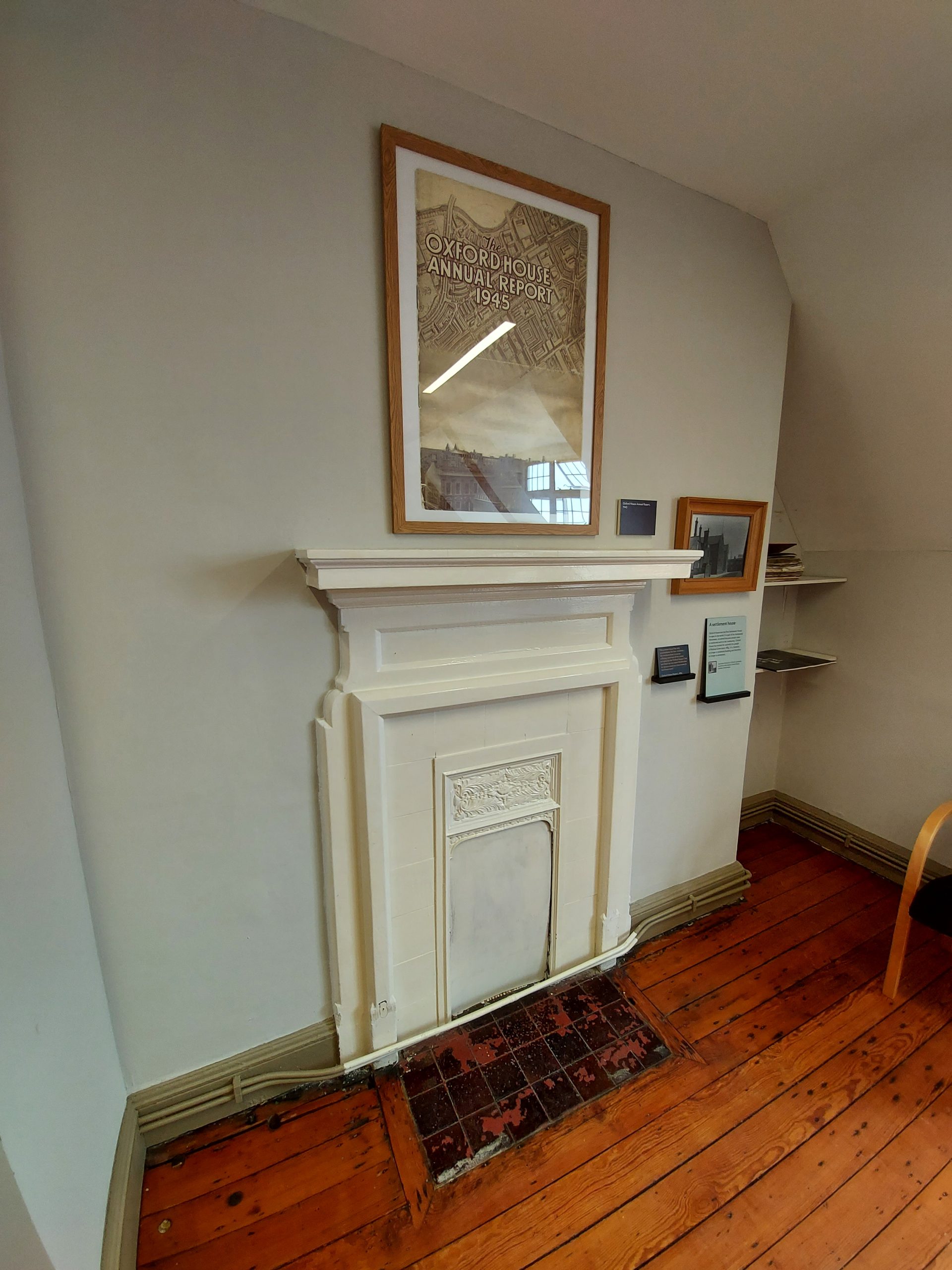
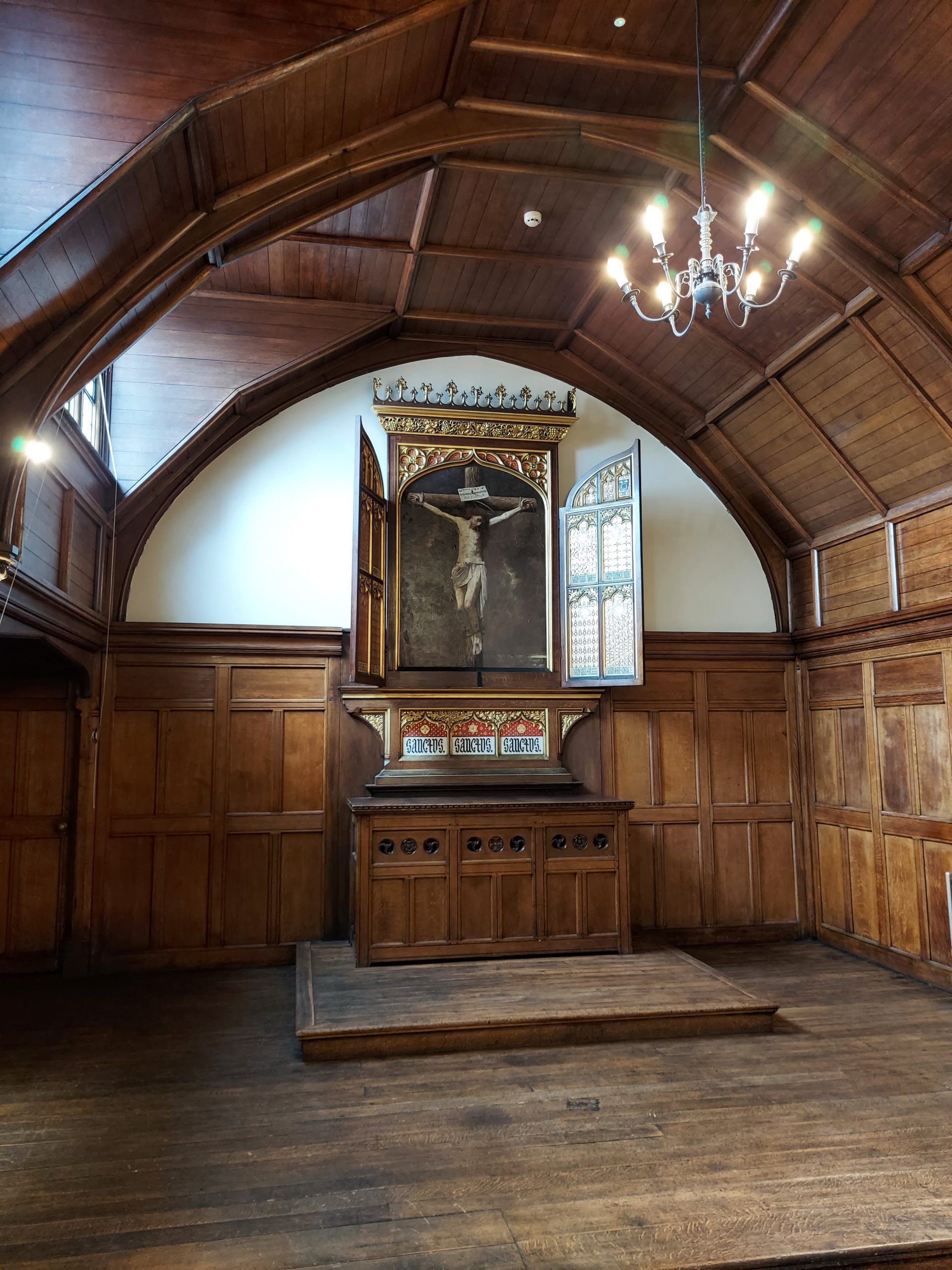
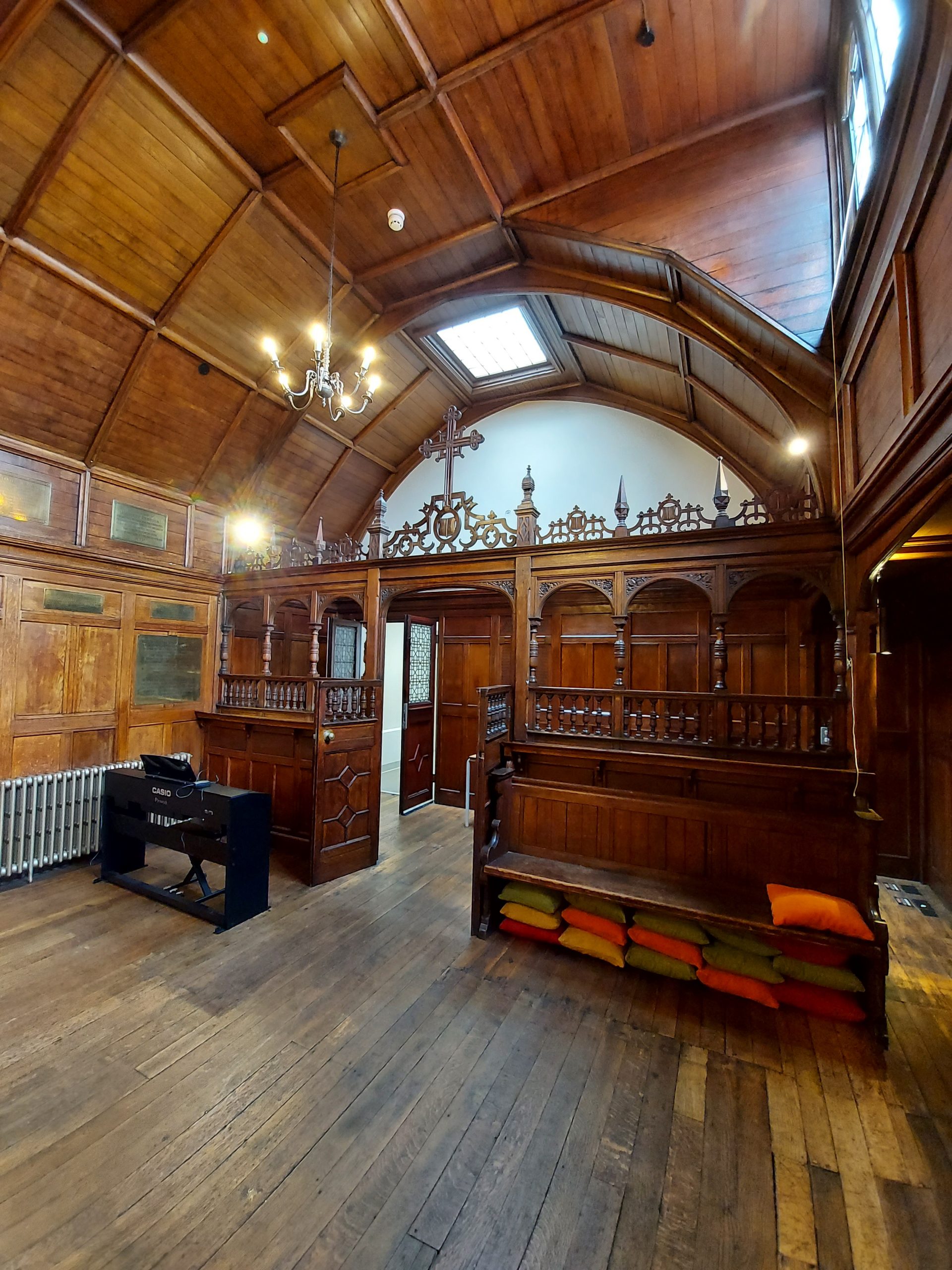
On my second day off I’d booked a tour of Oxford House in east London. Located in Bethnal Green, this building originally opened in 1884 as a settlement house. Such houses were common in the Victorian era, designed for well-off students to experience living in a poorer area and working for the betterment of society. Unlike the nearby secular Toynbee Hall, Oxford House was planned as a religious house, with a chapel inside. Students from Keble College, Oxford would live in, holding prayer meetings and taking classes in and around the House.
Fireplace with art showing the life of Oxford House
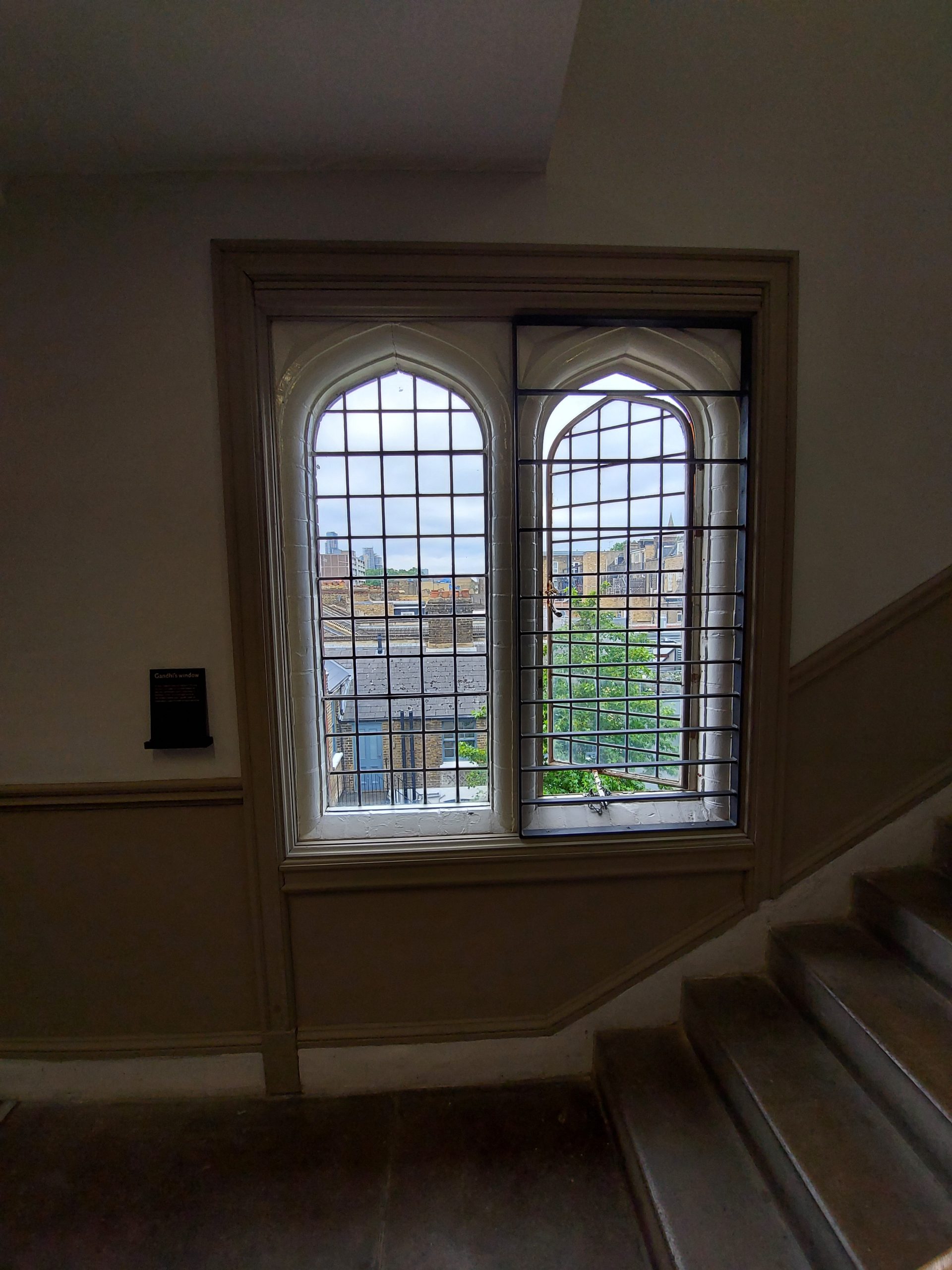
The window out of which Gandhi delivered a speech
One of the meeting rooms
Inside the chapel
In later years, there were more efforts to ensure that the people running the House were part of the community. During World War II it became a house for pacifists and conscientious objectors; in 1935 Gandhi, on a tour of the UK, visited and made an impromptu speech out of a window. In later years, Oxford House was popular with the Somali community – many people remember the delicious food cooked by the Somali women in charge of the kitchens – and was host to groups such as the Lesbian and Gay Christian Association. Oxford House is now a community and arts centre, and seeks to remain part of the community it has served for over a century.
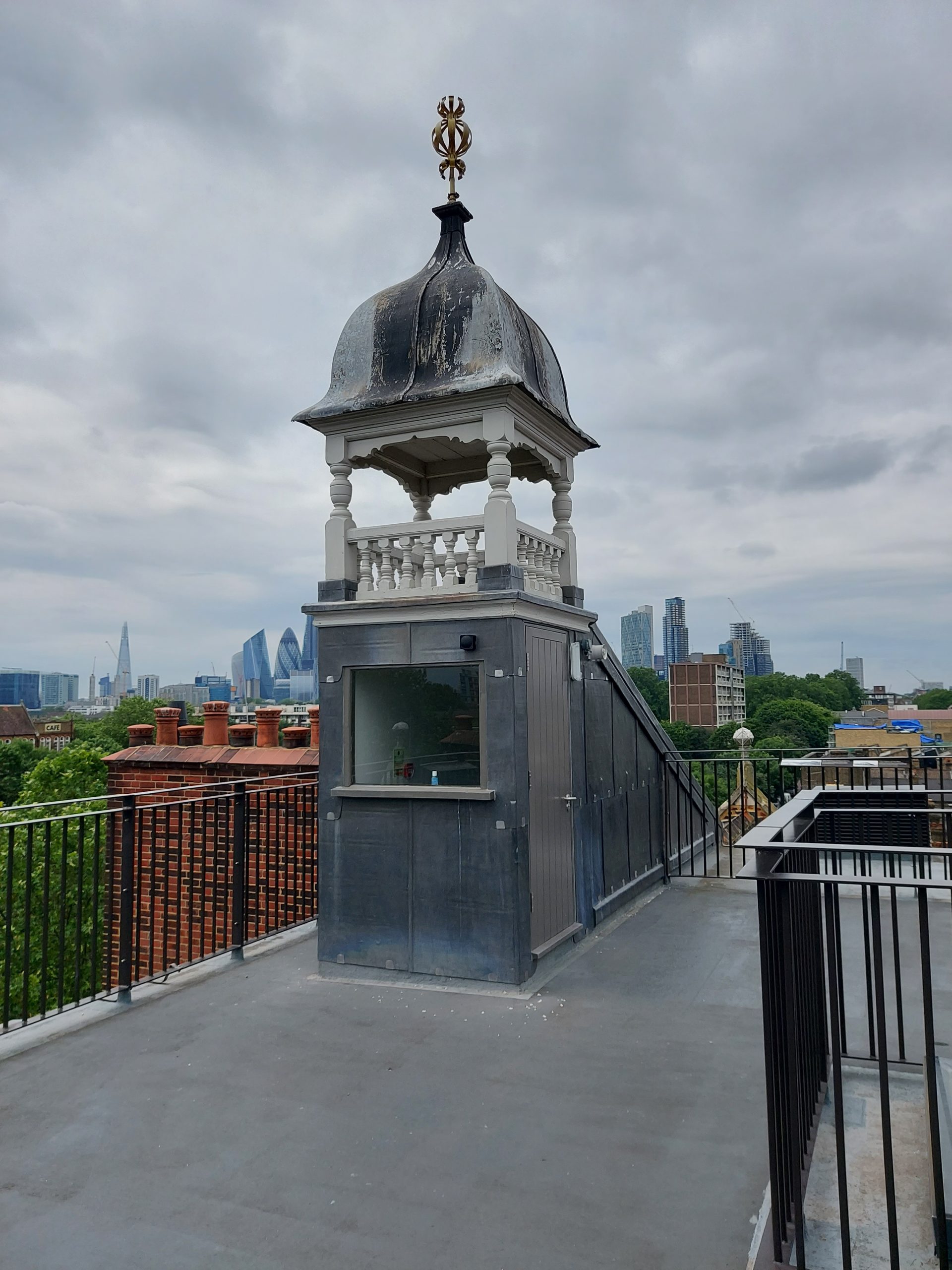
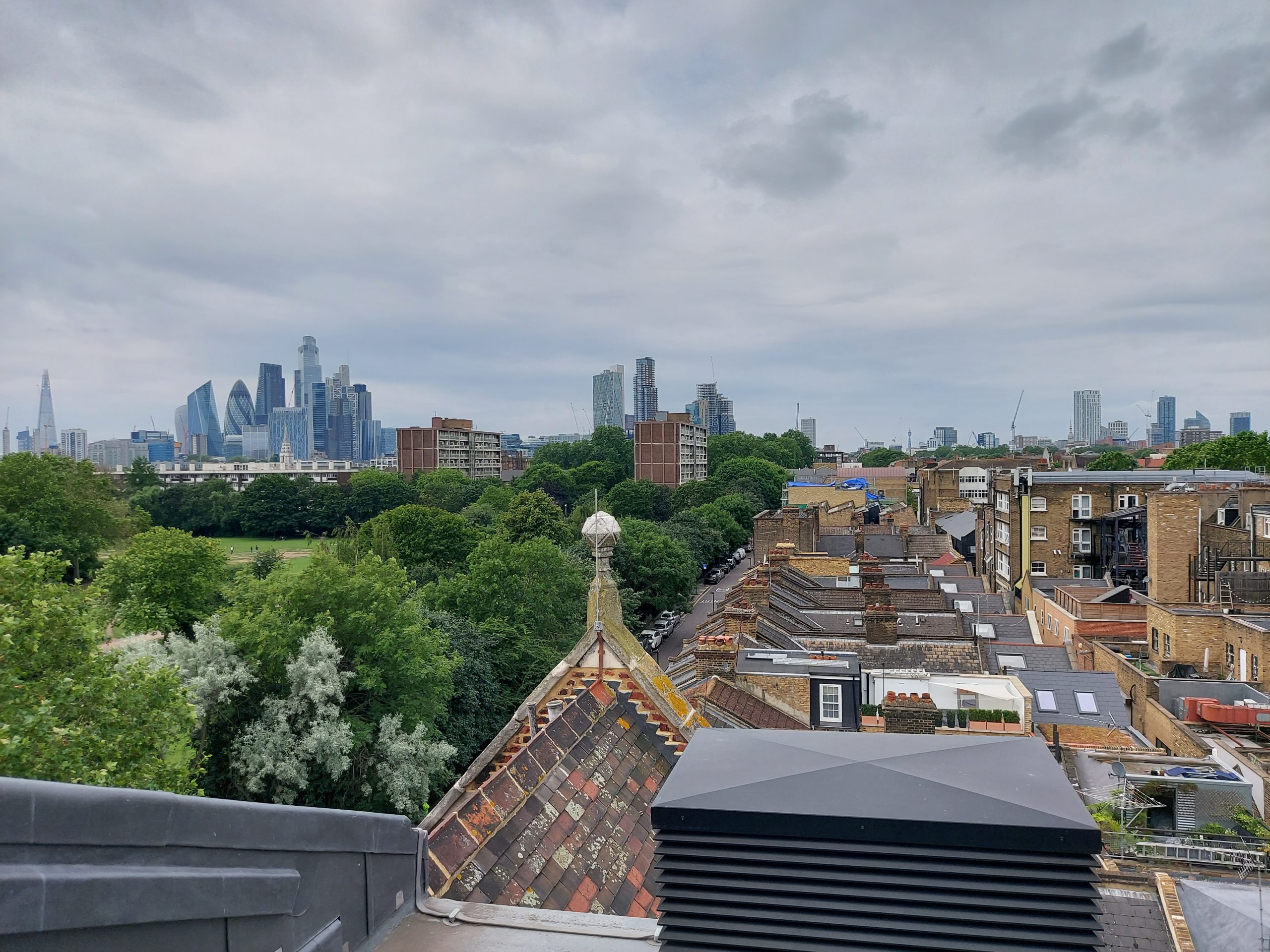
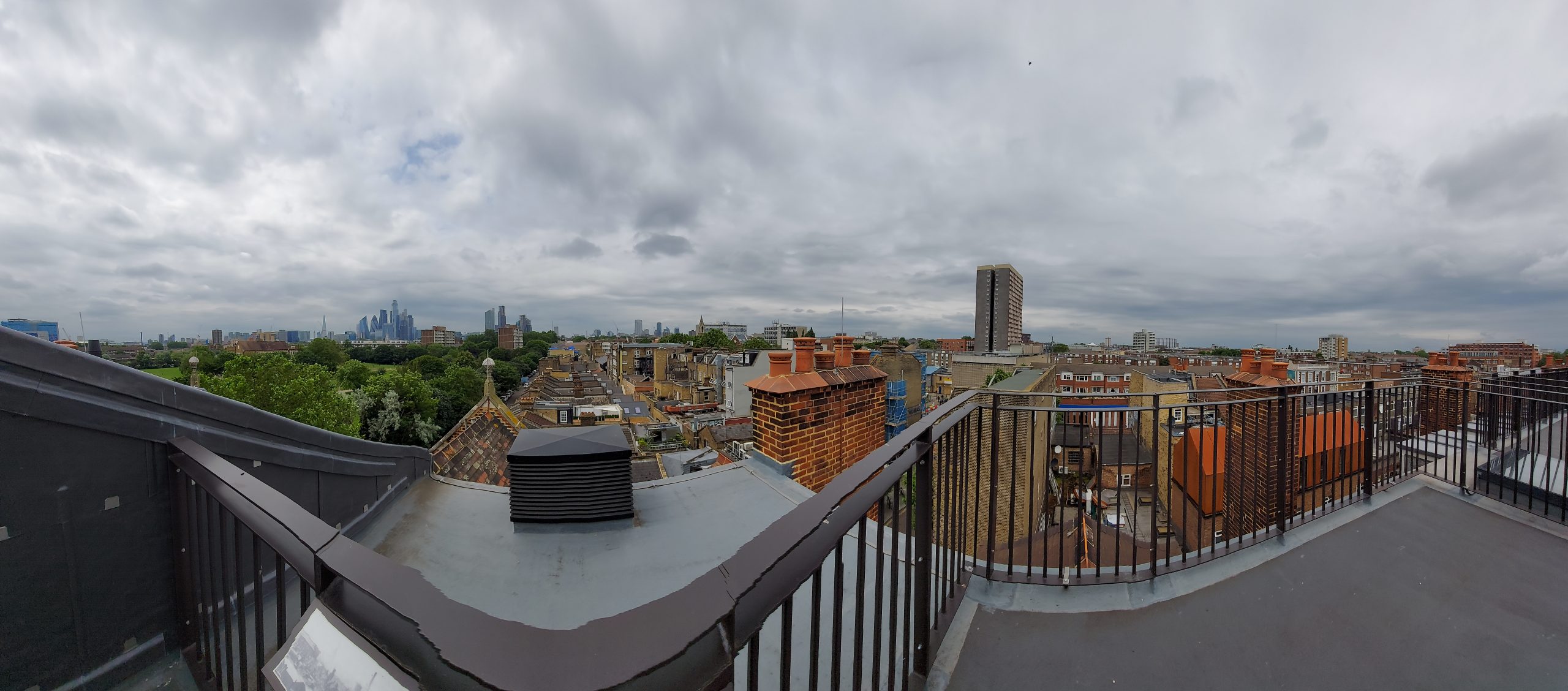
At the end of the tour we got to visit the roof, which offers impressive views over east London. It’s not usual to see London from up high in this part of the city, and I really enjoyed the experience.
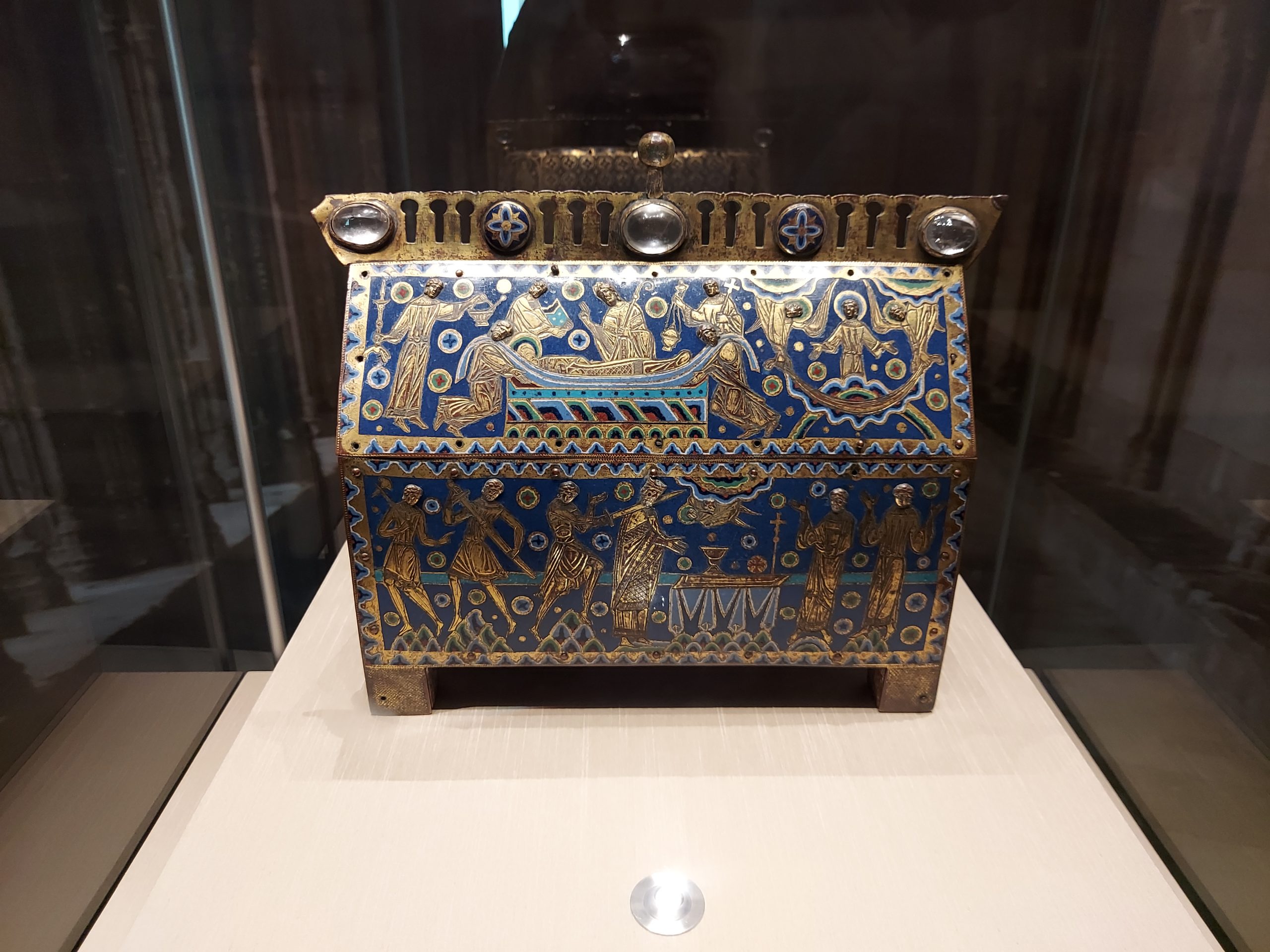
Reliquary casket showing the murder of Thomas Becket
While I was at the British Museum I also took the opportunity to visit the Becket exhibition. Thomas Becket: murder and the making of a saint looks at the life, death and legacy of this key medieval figure, with objects related to his life and later sainthood.Becket was born in London in 1120. Thanks to key contacts and his own ability, he worked his way up to the position of Chancellor, befriending King Henry II. Henry made him Archbishop of Canterbury despite the fact that he wasn’t a priest, intending him to retain his Chancellor role and essentially do what he told him. Thomas wasn’t having any of it though, rejecting the Chancellor role once he had become Archbishop, and repeatedly challenging the authority of the King over the church.
Eventually he fled to France, returning after excommunicating the bishops who had taken part in Henry’s son’s coronation. On 29 December 1170 he was murdered by four knights, who killed him in Canterbury Cathedral.
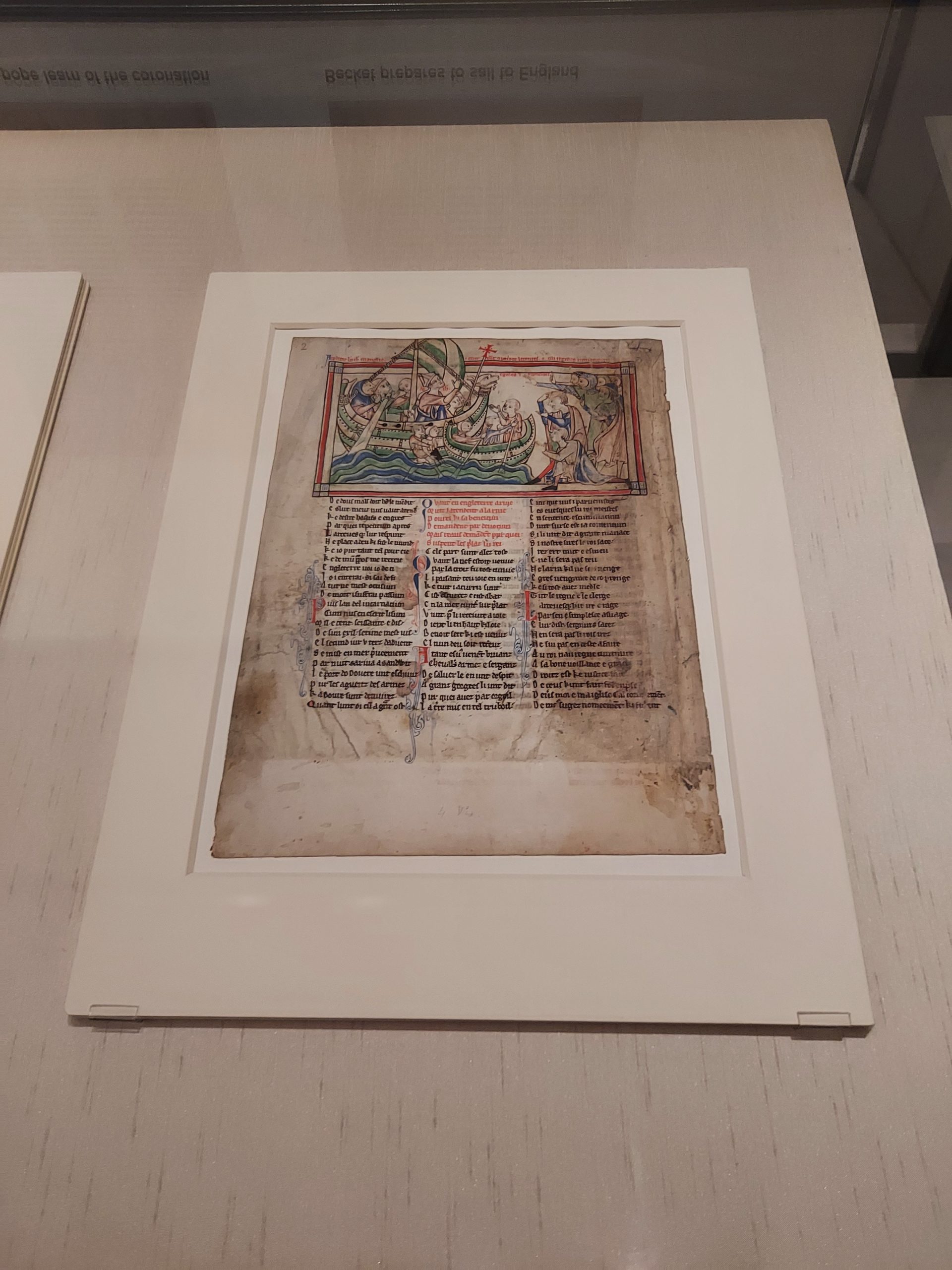
Manuscript page showing Becket’s Channel journey
Becket’s death horrified Europe, and he was later made a saint, his shrine in Canterbury a place of pilgrimage. Without his death we wouldn’t have Chaucer’s Canterbury Tales, based around a group of pilgrims on a journey to Becket’s shrine. He became popular as far away as Sweden and South Italy, and his relics spread far and wide. Some of the relics are on display, including the stained glass windows from the shrine, showing all the miracles St Thomas supposedly performed.
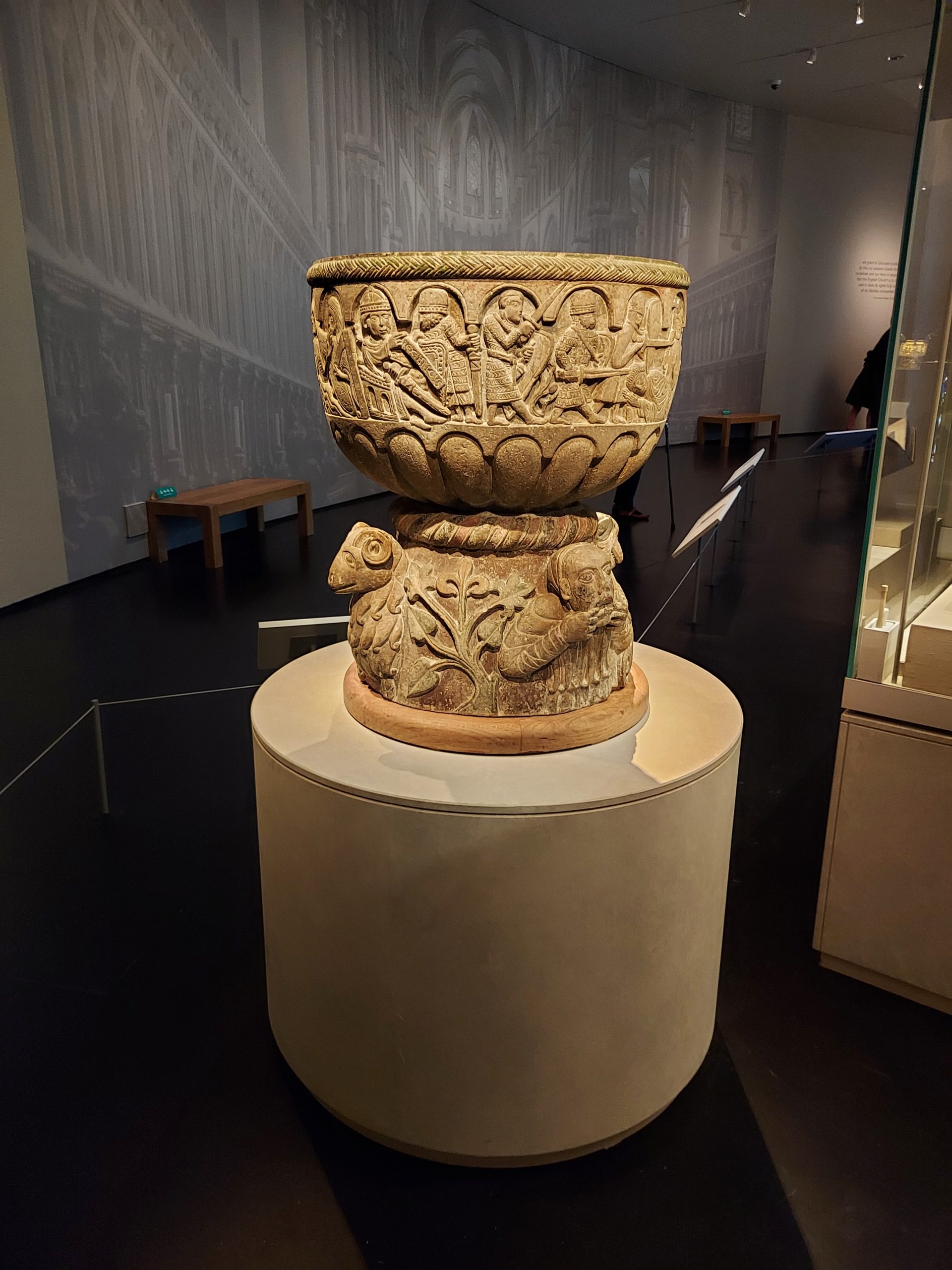
Stone font from Sweden
Becket’s shrine was destroyed during the reign of Henry VIII and veneration of the saint was banned. Historians see parallels between his treatment and the treatment of figures like Archbishop Cranmer and Thomas More – he represented a challenge to the authority of the monarch. Becket’s popularity still survived in Europe and, secretly, in England. In modern times, he remains one of the best known figures of the medieval period.
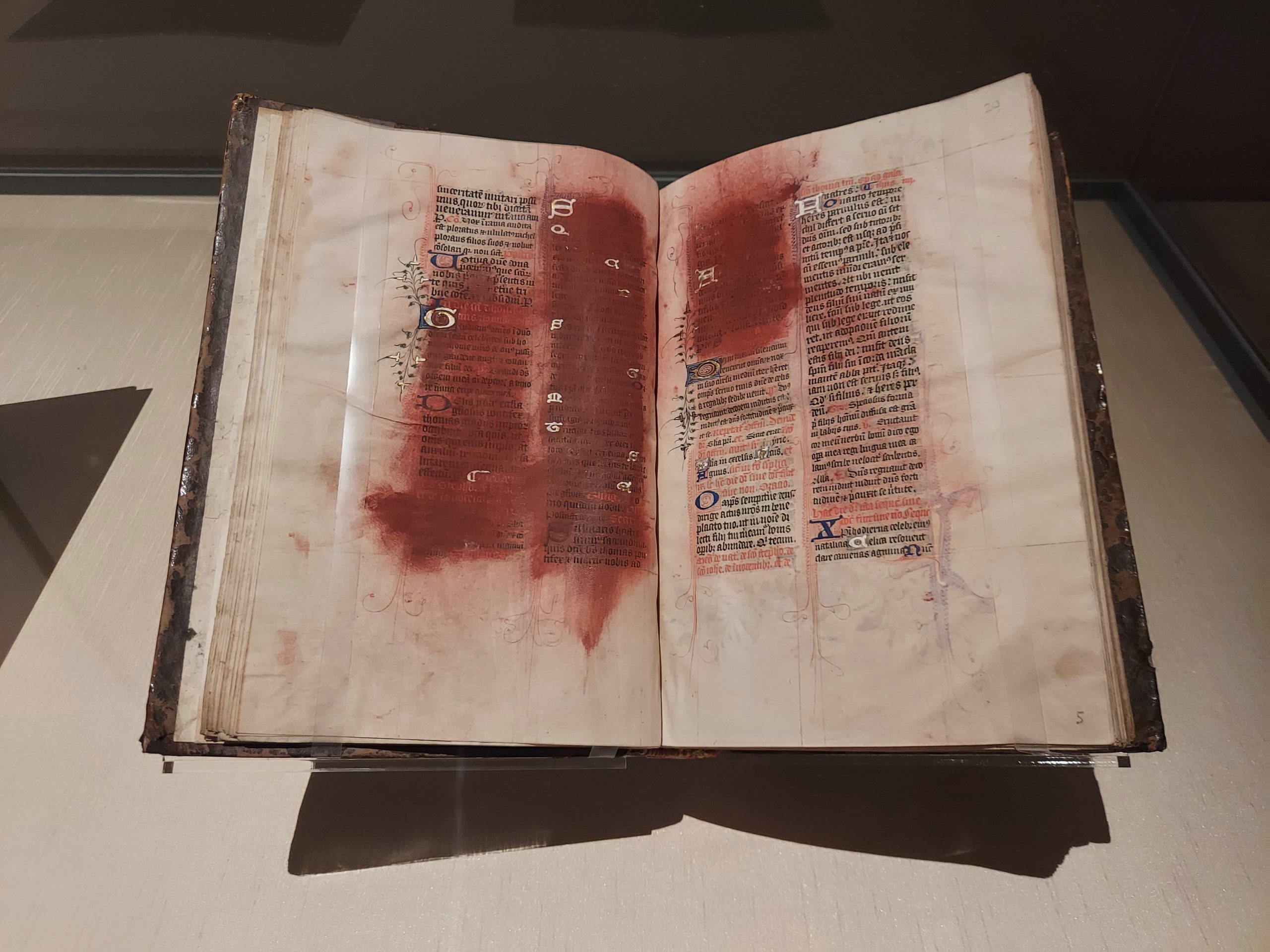
Becket’s story has been obliterated by red ink in this book
I enjoyed this exhibition: I didn’t know much about Becket except his name and the manner of his death. I found I had a lot of respect for this figure who was prepared to challenge authority, even at the cost of his own safety.